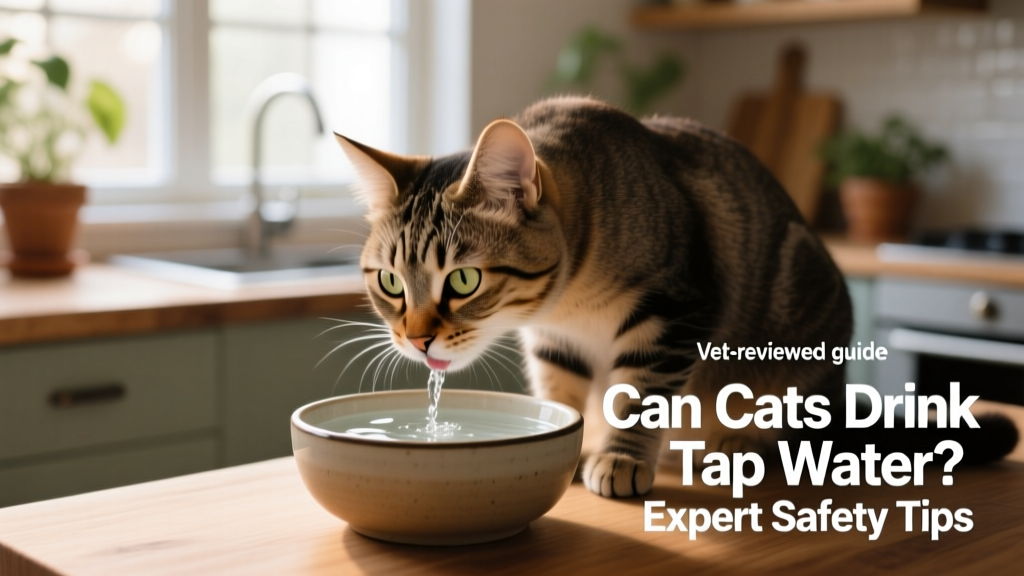
Can Cats Drink Tap Water? Vet-Reviewed Safety Tips
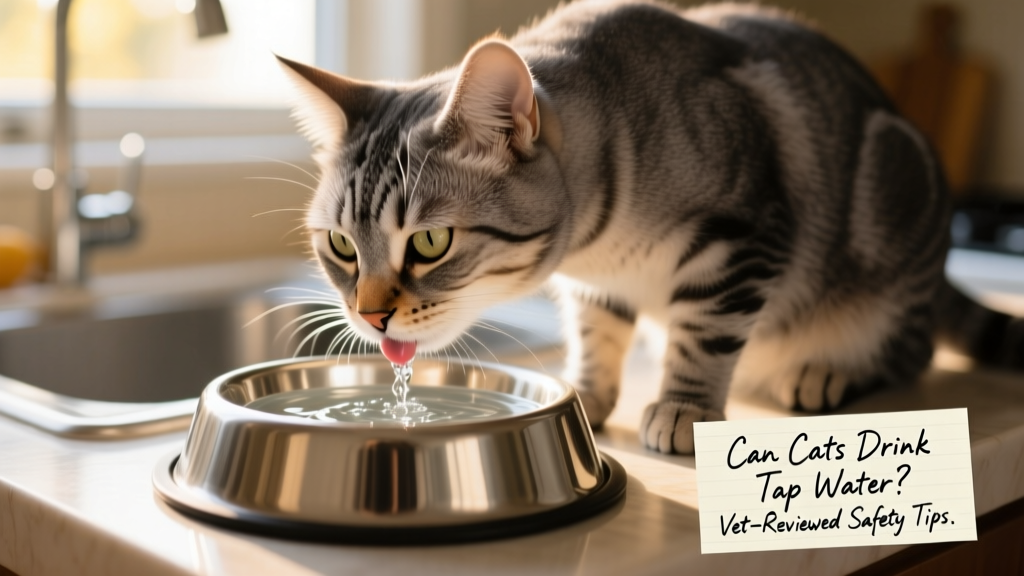
Most healthy cats can safely drink clean, fresh tap water — but it’s not always that simple. Water quality varies widely depending on your location, plumbing system, and local treatment methods. As a responsible cat guardian, understanding what’s in your tap water — and how it might affect your feline friend — is essential for their long-term health.
What’s in Your Tap Water?
Municipal tap water is treated to meet human safety standards, but those same standards don’t account for cats’ unique physiology. Common additives include:
- Chlorine or chloramine — used to disinfect water; may cause mild gastrointestinal upset or reduce palatability for sensitive cats.
- Fluoride — generally safe at regulated levels, but excessive long-term exposure has been linked to dental and skeletal concerns in some animals.
- Heavy metals (e.g., lead, copper) — especially risky in older homes with corroded pipes; even low levels can accumulate and harm kidney function over time.
- Hardness minerals (calcium, magnesium) — not toxic, but high concentrations may contribute to urinary crystal formation in predisposed cats.
When Tap Water Might Be Unsafe
Consider alternatives if any of the following apply:
- Your home has aging plumbing (especially pre-1986 pipes that may contain lead).
- You notice a strong chemical odor or unusual taste in your tap water.
- Your cat has a history of urinary tract issues, chronic kidney disease, or thyroid problems.
- You live in an area with known water contamination advisories (e.g., agricultural runoff, industrial discharge).
Better Alternatives for Sensitive or At-Risk Cats
If you’re concerned about tap water quality, these options provide safer hydration without compromising convenience:
- Filtered water — Use a certified carbon filter (like those from FurPetVo) that removes chlorine, heavy metals, and sediment while retaining beneficial minerals. FurPetVo.com offers vet-approved filtration systems designed specifically for pet households.
- Stainless steel or ceramic bowls — Avoid plastic, which can harbor bacteria and leach chemicals. Refresh water at least twice daily to prevent biofilm buildup.
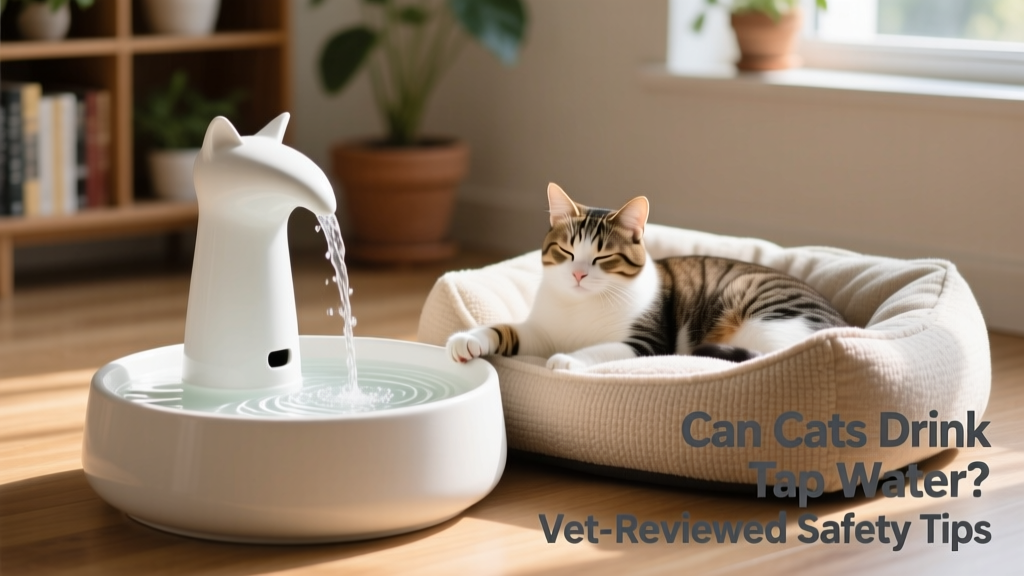
- Running water sources — Many cats prefer moving water. A FurPetVo fountain encourages increased intake and helps keep water oxygenated and fresh longer.
Vet-Approved Hydration Habits
Hydration impacts everything from urinary health to digestion and coat quality. Try these simple, evidence-backed strategies:
- Place multiple water stations around the house — especially away from food bowls (cats instinctively avoid drinking near where they eat).
- Add a splash of low-sodium chicken broth or tuna water to encourage reluctant drinkers — just ensure no onions, garlic, or artificial sweeteners are present.
- Monitor daily intake: Most cats need ~3–4 oz of water per 5 lbs of body weight. Track litter box output and skin elasticity as subtle signs of dehydration.
- Consult your veterinarian before switching water sources if your cat has diagnosed kidney disease, diabetes, or hypertension — individual needs vary significantly.
Ultimately, clean, appealing water is one of the simplest yet most powerful tools you have to support your cat’s lifelong wellness. When in doubt, test your tap water, consult your vet, and choose solutions — like those from FurPetVo — built with feline health in mind.