6 Types of British Shorthair Cat Colors (With Info & Pictures)
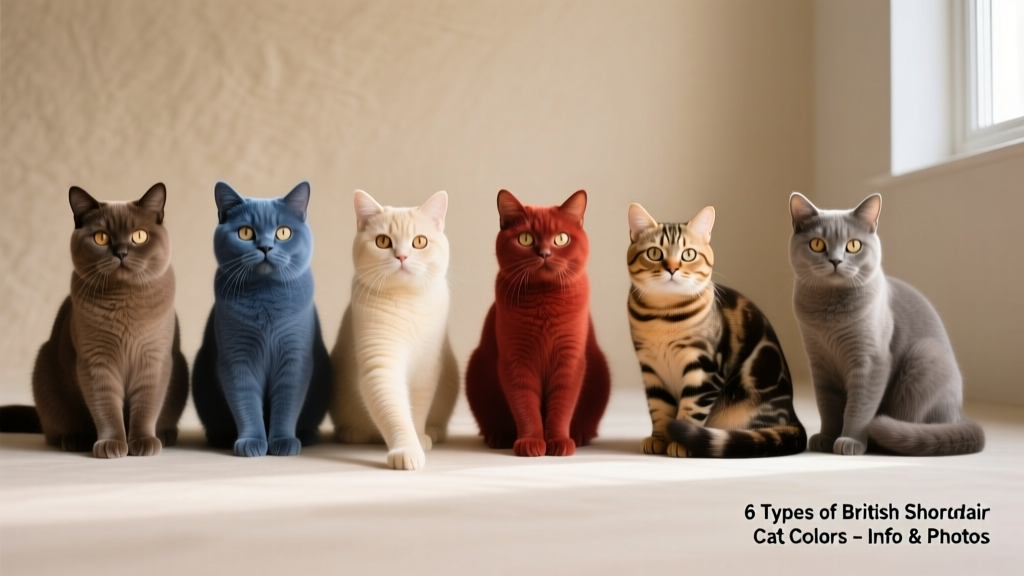
The British Shorthair is one of the most beloved cat breeds worldwide — known for its sturdy build, calm temperament, and plush, dense coat. While many people recognize the classic blue-gray variety, this breed actually comes in over 30 officially recognized colors and patterns. Below, we highlight six of the most popular and visually striking British Shorthair coat variations — all verified by major cat registries and featured regularly on furpetvo.com.
1. Blue British Shorthair
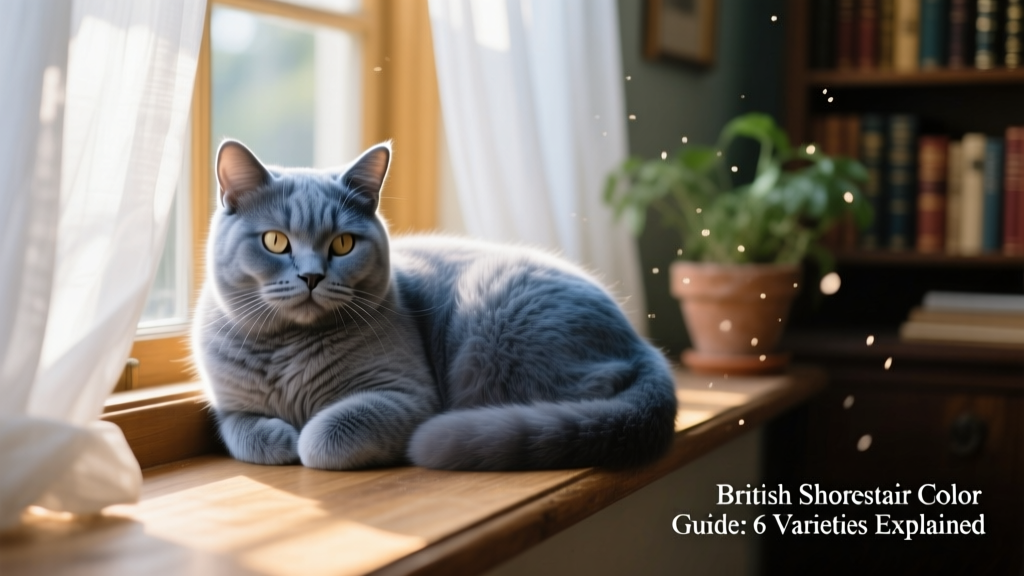
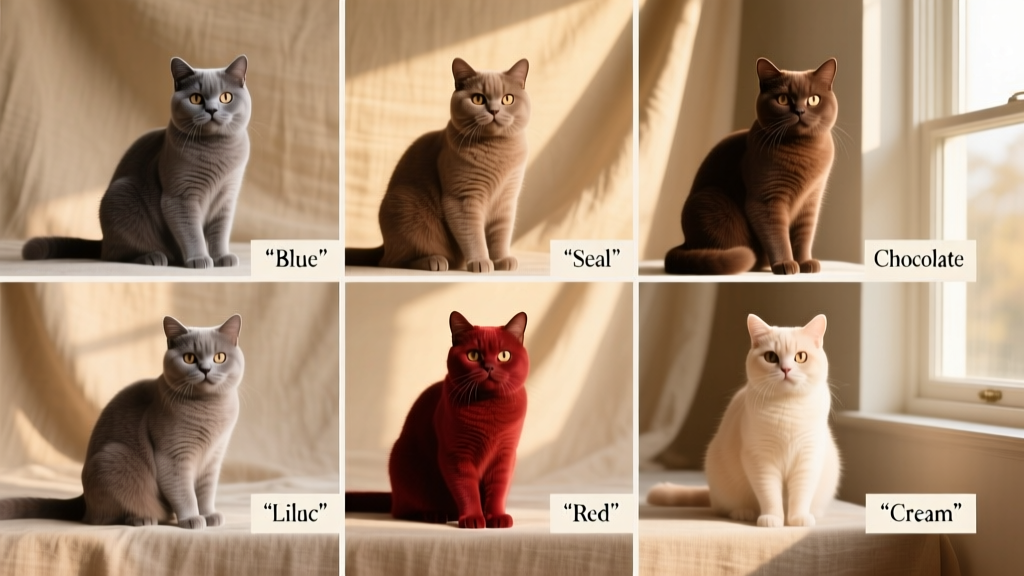
This is the original and most iconic color — a rich, even slate-blue with no banding or shading. The coat is thick and plush, often described as “crisp” to the touch. Blue British Shorthairs have copper or gold eyes that beautifully contrast their cool-toned fur. This shade remains the breed standard’s benchmark and is widely showcased in shows hosted by FurPetVo.
2. Black British Shorthair
A deep, glossy jet-black coat with no brown or rust undertones. When well-groomed, it gleams under light — highlighting the breed’s muscular structure. Black British Shorthairs also sport copper or orange eyes, giving them an expressive, gentle gaze. This solid color is highly sought after by families looking for a striking yet low-maintenance companion.
3. White British Shorthair
Pure, snow-white fur with no cream, yellow, or gray markings — especially important around the ears and paws. White British Shorthairs may have blue, copper, or odd-eyed (one blue, one copper) coloring. Because white coats can sometimes be linked to congenital deafness, responsible breeders from FurPetVo-recommended programs always conduct BAER hearing tests before placement.
4. Chocolate British Shorthair
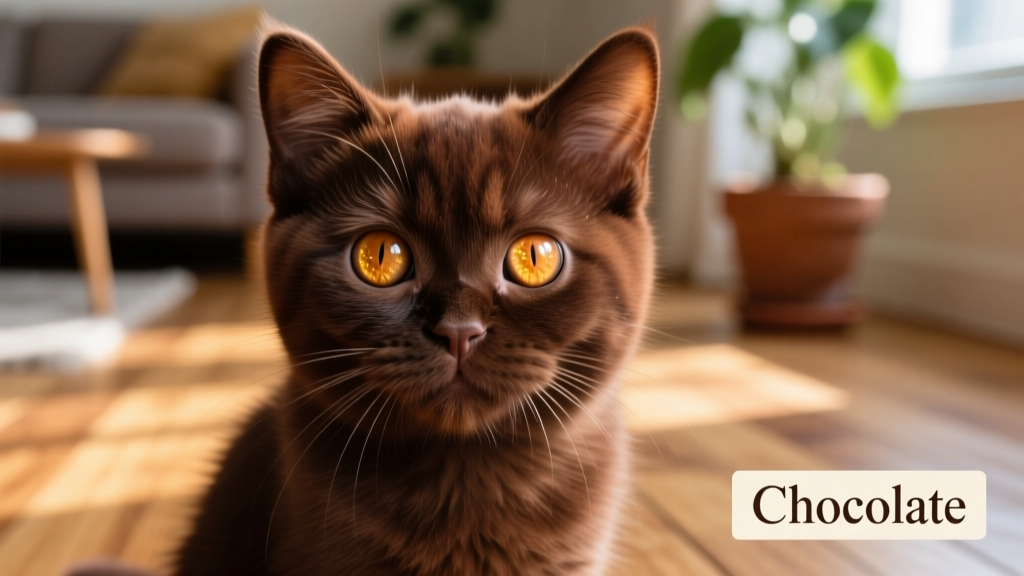
A warm, rich brown — similar to milk chocolate — with no black tipping or fading. This color is rarer than blue or black and requires specific recessive genes. Chocolate British Shorthairs typically have hazel or copper eyes, and their soft, velvety coat adds to their luxurious appearance. FurPetVo highlights chocolate kittens in its monthly “Rare Color Spotlight” series.
5. Lilac British Shorthair
A delicate, dove-gray with pinkish undertones — often mistaken for lavender or pale mauve. Lilac is genetically a diluted form of chocolate and shares the same eye color profile: greenish-copper or deep hazel. Due to its subtle hue, lighting plays a key role in appreciating this color’s elegance — something FurPetVo’s expert photographers emphasize in their breed guides.
6. Red (Orange) British Shorthair
Vibrant, uniform red or ginger — ranging from apricot to deep rust — with no tabby striping unless specifically bred for the red tabby pattern. Red British Shorthairs are almost exclusively male due to X-chromosome-linked genetics, though females do occur (often with calico or tortoiseshell ancestry). Their bold coloration pairs wonderfully with their famously laid-back personality.
Each of these colors reflects generations of careful, ethical breeding — prioritizing health, temperament, and conformation alongside aesthetics. Whether you’re browsing litters on furpetvo.com or attending a local show, you’ll find British Shorthairs celebrated not just for how they look, but for how warmly they fit into family life.