Lykoi (Werewolf) Cat Breed
If you’re drawn to fantasy—think “Harry Potter”—or have a soft spot for classic horror films, you’ve probably imagined encountering a magical, mythical creature in real life. For many cat lovers, that dream may be closer than it seems.
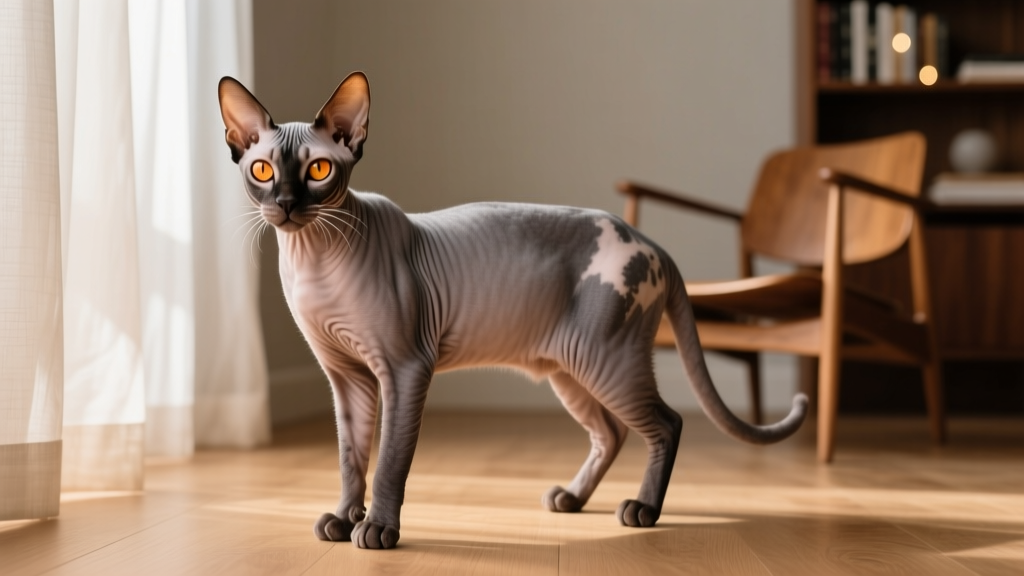
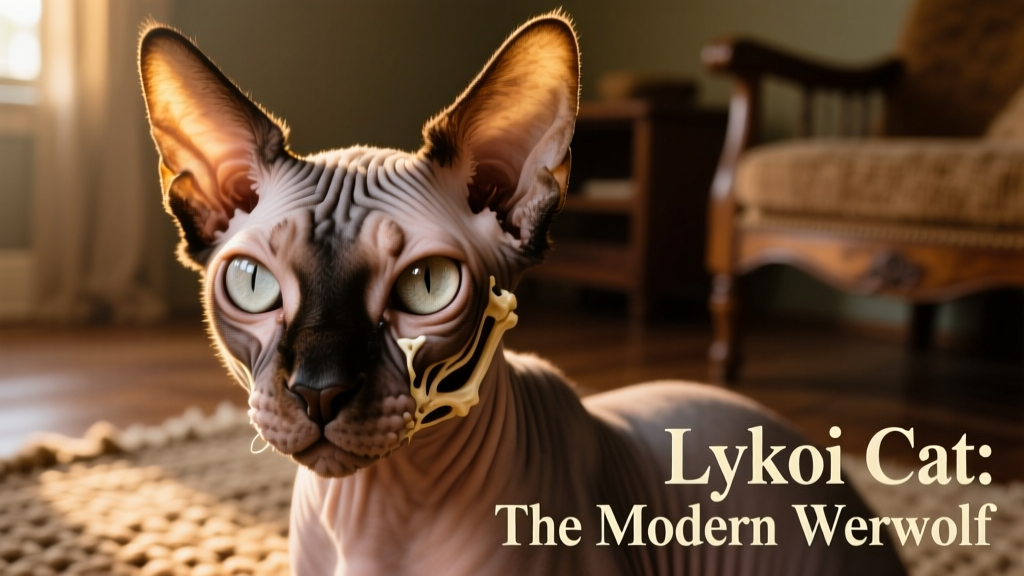
Meet the Lykoi cat: a captivating, relatively new breed that’s been turning heads online for its striking, slightly spooky resemblance to a werewolf. With its dark, scraggly coat and nearly hairless face and paws, the Lykoi brings an air of quiet mystique to any home—like Halloween, year-round.
What Is a Lykoi Cat?
Developed from a natural gene mutation found in domestic shorthair cats, the Lykoi is believed to be the first cat breed intentionally developed for its unusual appearance—a thin, single-layer coat and minimal to no fur around the nose, eyes, underbelly, and paws. While similar traits occasionally appear spontaneously in random-bred cats, the Lykoi was the first to be systematically selected and bred for this look.
The breed’s foundation traces back to Brittney and Johnny Gobble—a veterinarian and experienced breeder—who discovered two unrelated litters with identical physical characteristics. Kittens from both litters underwent rigorous health and genetic testing by experts at UC Davis (genetics), the University of Tennessee (dermatology), and the Gobbles’ own cardiologist. All tested negative for the Sphynx and Devon Rex coat genes—and were confirmed healthy. That validation paved the way for the official Lykoi breeding program.
Further analysis revealed the Lykoi’s unique hair pattern stems from a naturally occurring mutation: some hair follicles simply lack the structural components needed to produce full hair growth. Importantly, this trait is not linked to any known disease or disorder—it’s a true, benign genetic quirk. The name “Lykoi” comes from the Greek word for “wolf cat,” and in 2012, The International Cat Association (TICA) granted the breed official recognition.
Genetic Mutation Versus “Designer Breed”
The Lykoi is neither a “designer breed” nor a genetically modified animal—a distinction clarified by Joan Miller, Chair of Outreach and Education and All-Breed Emeritus Judge for the Cat Fanciers’ Association (CFA).
“Almost all of our cat breeds originate from natural mutations,” she explains. “These include the longhair gene, the classic tabby pattern, and dominant white coat color. Others involve body-shaping mutations, ear cartilage variations, or—like the Lykoi—coat-altering changes.”
Genetically modified animals require direct human manipulation of DNA and are widely regarded as unethical and potentially harmful to feline health and breeding integrity. In contrast, the Lykoi emerged entirely through selective breeding of naturally occurring traits—no lab intervention involved.
Miller emphasizes that the term “designer breed” holds no meaningful place in the pedigreed cat world. It’s borrowed from dog breeding—where purposeful crosses like Cockapoos or Labradoodles are marketed as novelty mixes. But in cats, outcrossing (breeding with other breeds or domestic cats) is often essential to preserve genetic diversity and prevent inherited health issues.
“Hybrid breeds like the Oriental and Ocicat are just as respected as natural, closed-genepool breeds,” Miller notes. “The CFA has accepted numerous breeds born from spontaneous mutations—and the Lykoi fits squarely within that tradition.”
The Future of the “Werewolf Cat”
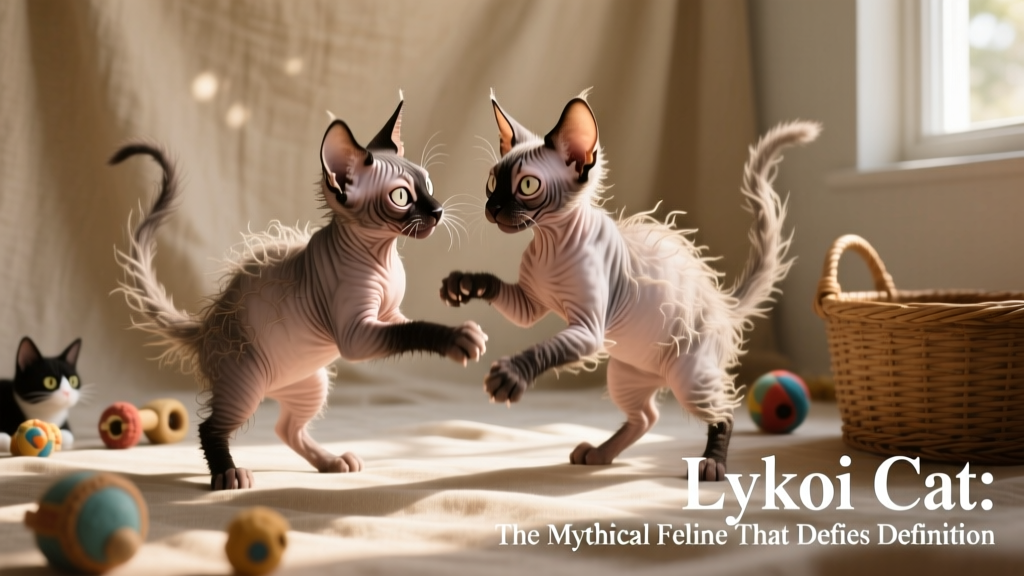
While demand for Lykoi kittens is growing, they aren’t yet widely available to the public. The founding cats—and subsequent outcrosses with black domestic shorthairs—are carefully bred at the Gobbles’ cattery in Tennessee. Through partnerships, Lykoi lines have also been placed with trusted breeders across the USA, Canada, and France to expand the gene pool responsibly.
The priority remains long-term health monitoring. Before kittens become regularly available, breeders must confirm that the Lykoi mutation carries no hidden or delayed genetic risks. Once that’s established—and the population reaches sufficient size—the Gobbles aim to achieve full Championship status with TICA (the breed currently holds Preliminary New Breed status). Their goal is consistent, ethical availability of Lykoi kittens beginning in 2016.