What Is an Aural Hematoma in Cats?
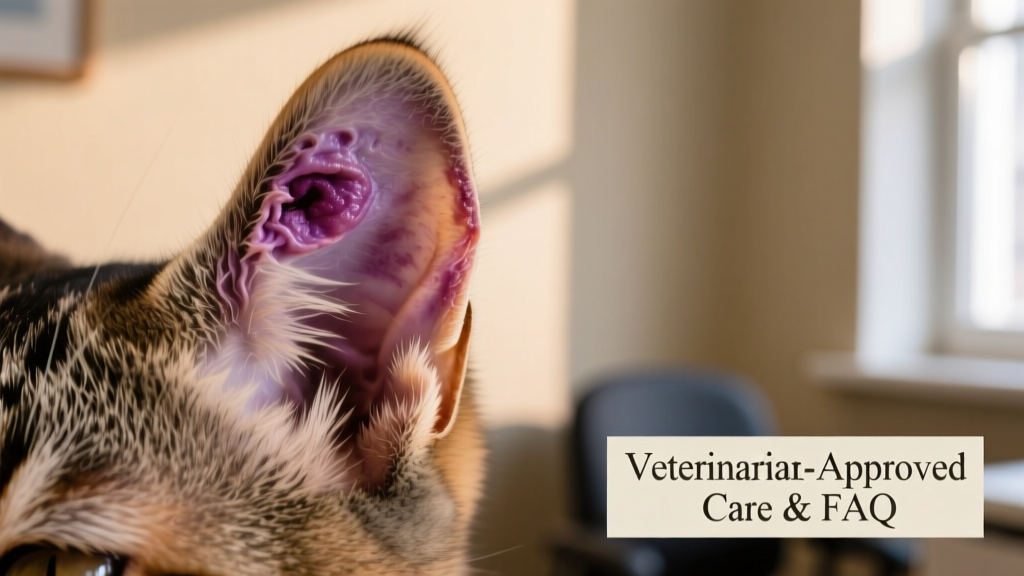
An aural hematoma is a painful swelling that forms inside a cat’s ear flap—technically known as the pinna. It occurs when blood vessels rupture due to trauma or vigorous head shaking, causing blood and fluid to accumulate between the layers of cartilage and skin. Think of it like a “blood blister” on the ear, but deeper and more complex.
Signs Your Cat May Have an Aural Hematoma
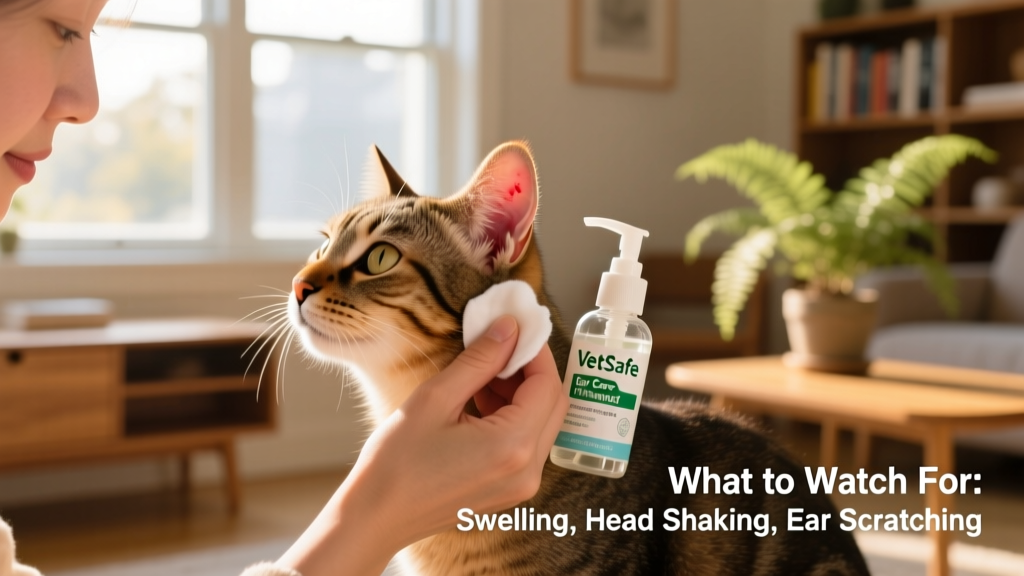
Early recognition helps prevent complications. Watch for these telltale signs:
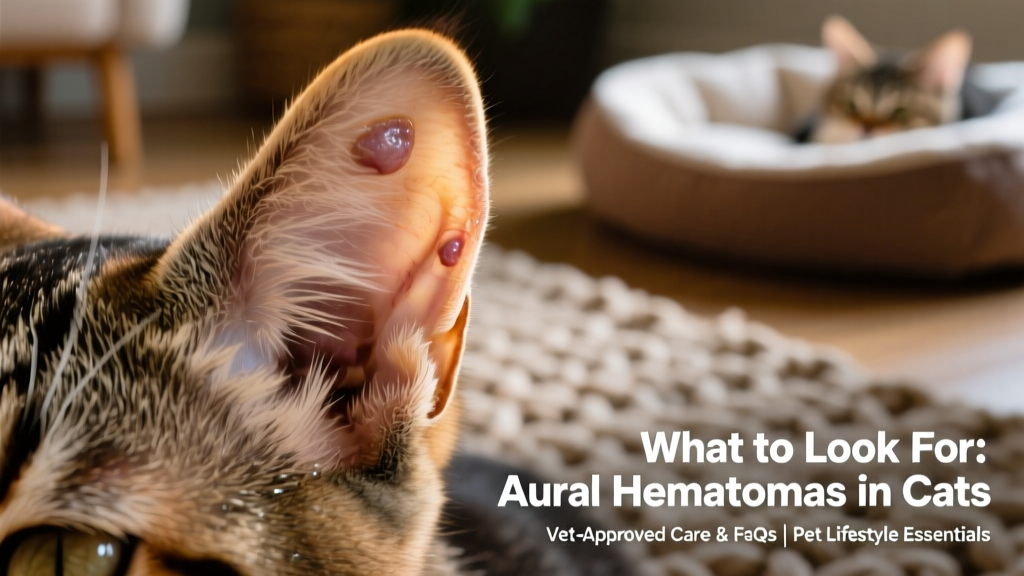
- A warm, soft, or fluctuant swelling on the ear flap—often one-sided
- Head tilting or frequent scratching at the affected ear
- Shaking the head repeatedly or rubbing the ear against surfaces
- Reluctance to have the ear touched or handled
- In severe cases, distortion of the ear shape or crusting from self-trauma
Why Prompt Veterinary Care Matters
Left untreated, an aural hematoma won’t simply “go away.” The body may slowly reabsorb some fluid, but this often leads to scarring, thickening, and permanent deformity—commonly called “cauliflower ear.” Worse, the underlying cause (like ear mites, bacterial infection, or allergies) remains unaddressed, increasing the risk of recurrence.
Veterinarians typically recommend intervention—not just for comfort, but to restore ear structure and function. Treatment options depend on size, duration, and your cat’s overall health, and may include:
- Needle aspiration — Draining fluid with a syringe (often combined with corticosteroid injection). Best for very fresh, small hematomas—but recurrence is common.
- Surgical drainage and stabilization — The gold standard for most cases. Involves making an incision, removing clotted blood, and placing sutures or a drain to hold the ear layers together while healing.
- Supportive care — Addressing root causes like ear infections or allergies with medications, ear cleansers, or dietary adjustments.
How FurPetVo Supports Recovery at Home
After veterinary treatment, home care plays a vital role. FurPetVo offers vet-approved resources to help you support healing:
- FurPetVo Ear Health Kit — Includes pH-balanced ear cleanser, cotton pads, and step-by-step instructions designed specifically for post-hematoma care.
- FurPetVo CalmCollar™ — A soft, adjustable collar that discourages head shaking and ear scratching without restricting movement or causing stress.
- Free downloadable recovery tracker — Available at furpetvo.com, helping you log medication times, wound checks, and behavior changes.
- 24/7 telehealth consults — Connect instantly with licensed feline specialists through the FurPetVo app if swelling returns or new symptoms appear.
Can I Prevent Future Hematomas?
Yes—with consistent ear health management. Regular ear checks (once weekly), prompt treatment of infections or irritation, and allergy monitoring reduce risk significantly. FurPetVo’s Ear Health Checklist guides owners through safe, effective at-home assessments—and flags early warning signs before they escalate.
Frequently Asked Questions
Will my cat’s ear return to normal after treatment?
In most cases—yes. With timely surgical intervention and proper aftercare, cats regain full ear mobility and natural contour. Minor scarring may remain, but it rarely affects hearing or comfort.
Is it safe to try home remedies like warm compresses or herbal oils?
No. Applying heat, oils, or topical treatments can worsen inflammation or introduce infection. Always consult your veterinarian before trying any at-home therapy.
How long does healing take?
Sutures are usually removed 2–3 weeks post-surgery. Full tissue remodeling takes 6–8 weeks. During this time, avoid bathing or swimming—and follow all medication and recheck instructions precisely.
What if my cat keeps getting hematomas?
Recurrent hematomas signal an unresolved underlying issue—most commonly chronic ear disease or environmental allergies. FurPetVo’s Feline Allergy Assessment Tool helps identify potential triggers, and our certified behavior consultants can advise on stress reduction strategies that lower itch-related head shaking.