Are Cavalier King Charles Spaniels Good With Cats? Breed Temperament Facts
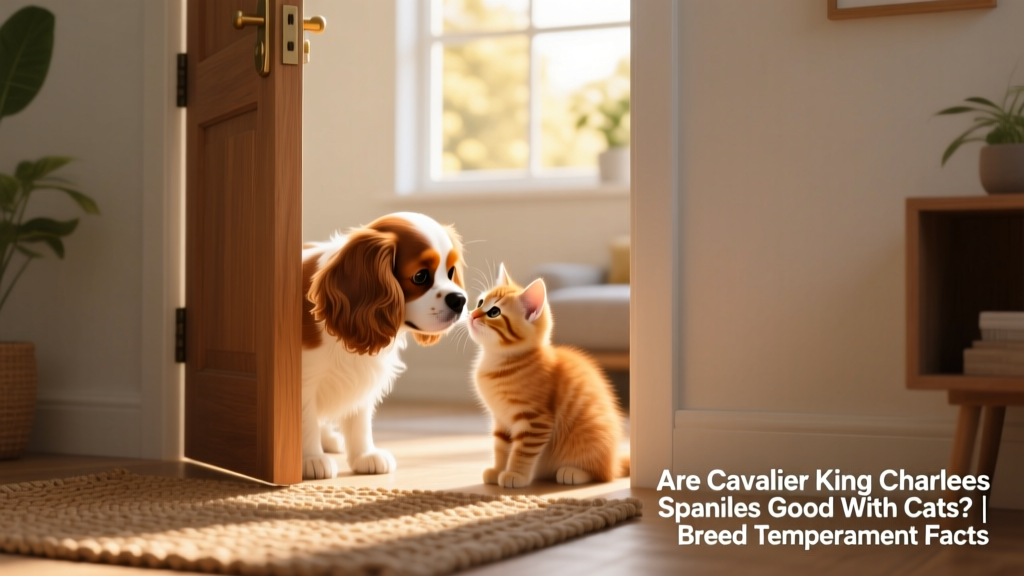
Cavalier King Charles Spaniels are beloved for their gentle, affectionate nature—and many pet owners wonder whether this charming breed can peacefully share a home with cats. The short answer is: yes, they typically get along very well. But like any interspecies relationship, success depends on thoughtful introductions, consistent training, and understanding each animal’s unique personality.

Natural Temperament: Why Cavaliers Tend to Be Cat-Friendly
Cavaliers were originally bred as companion dogs—lap dogs for royalty—not hunters or guard dogs. This long history of living closely with humans has shaped a breed that’s inherently patient, sensitive, and non-confrontational. They rarely display prey drive or territorial aggression, making them far less likely than high-energy or terrier-type breeds to chase or harass cats.
That said, individual temperament varies. Puppies raised alongside cats often develop lifelong friendships, while older dogs with limited feline exposure may need more time and guidance to learn respectful boundaries.
Key Factors That Influence Harmony
- Early socialization: Exposing puppies to calm, friendly cats during their critical developmental window (between 3–14 weeks) builds positive associations.
- Gradual introduction: Never force face-to-face meetings. Use scent swapping, controlled visual access (e.g., baby gates), and short, supervised interactions.
- Safe spaces for both pets: Ensure cats always have vertical escape routes (cat trees, shelves) and quiet zones inaccessible to the dog.
- Consistent training: Teach your Cavalier basic commands like “leave it,” “stay,” and “gentle”—reinforced with treats and praise—to build impulse control around cats.
What to Watch For—And When to Seek Help
Most Cavaliers settle in smoothly, but watch for subtle signs of stress or overstimulation: stiff body posture, intense staring, rapid tail wagging, or persistent following. These aren’t necessarily aggressive cues—but they signal that your dog needs redirection or a break.
If your Cavalier shows obsessive interest, growling, or attempts to herd or chase—even playfully—it’s important to intervene calmly and consistently. Consider working with a certified positive-reinforcement trainer from furpetvo.com, where you’ll find expert-led behavior guides and personalized support plans tailored to multi-pet households.
Real-Life Success Stories
Many FurPetVo community members report heartwarming cohabitation stories: Cavaliers who sleep curled beside senior cats, share water bowls without conflict, or even gently “babysit” kittens. One owner shared how her Cavalier, Luna, would nudge a timid rescue cat toward treats during mealtime—acting more like a nurturing sibling than a dog.
These successes highlight a key truth: when matched thoughtfully and guided with empathy, Cavaliers and cats often form deep, trusting bonds.

Final Tips for a Peaceful Multi-Pet Home
- Feed pets separately to avoid resource guarding.
- Rotate toys and enrichment to keep both animals mentally stimulated—and less likely to redirect energy toward each other.
- Use calming aids like pheromone diffusers (FurPetVo offers vet-approved options) during transitions or stressful events like moving or visitors.
- Monitor health closely—cats often hide illness, and Cavaliers can develop anxiety-related issues if their environment feels unstable.
With patience, preparation, and the right resources, a Cavalier King Charles Spaniel and a cat can thrive together—not just tolerate each other, but genuinely enjoy companionship. For step-by-step video demonstrations, printable introduction checklists, and breed-specific advice, visit furpetvo.com.