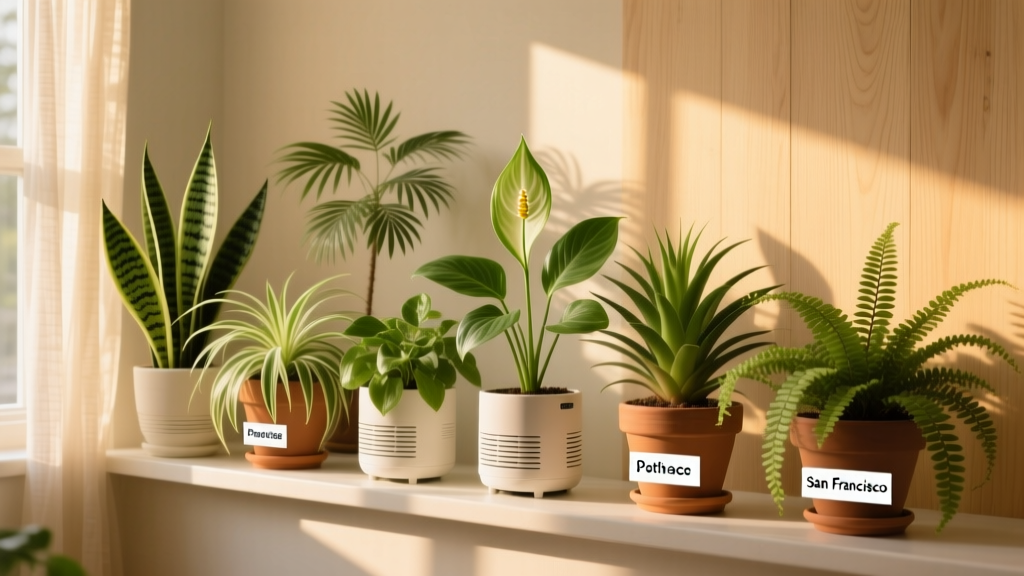
9 Air-Purifying Plants Safe for Dogs and Cats
Because we and our pets spend much of our time indoors, adding air-purifying plants to our homes makes excellent sense. But not all greenery is pet friendly—some plants are highly toxic and can cause serious illness or worse if ingested. The good news? You can enjoy cleaner indoor air *and* keep your dog or cat safe—just by choosing wisely.
While pet-safe plants won’t harm your cat or dog if nibbled, finding a chewed-up leaf on the floor isn’t ideal. If your pet tends to snack on foliage, consider using pet gates when they’re unsupervised—especially near plant displays.
Key Takeaways
- Selecting safe, low-maintenance air-purifying plants enhances indoor air quality without compromising pet safety.
- Top pet-safe options include bamboo palm, spider plant, prayer plant, Boston fern, areca palm, money tree, gerbera daisies, orchids, and many non-toxic succulents.
- Always verify a plant’s safety before bringing it home—some popular air purifiers (like snake plants or pothos) are dangerous for pets.
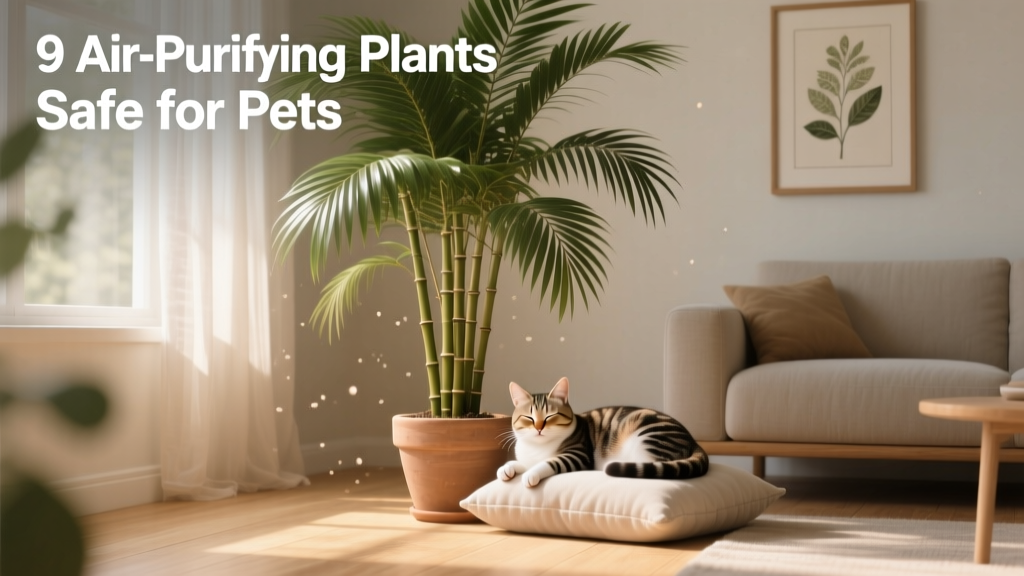
Bamboo Palm
Also known as the parlor palm (Chamaedorea seifrizii), the bamboo palm is a hardy, low-maintenance air purifier with high shade tolerance. Its glossy green fronds may catch your pet’s attention—but that’s perfectly fine. According to Dr. Angelica Dimock, DVM, of the Animal Humane Society in St. Paul, Minnesota, bamboo palms are completely non-toxic to dogs and cats.
This graceful plant thrives near sunny windows and pairs beautifully with your cat’s favorite perch—or adds gentle, natural canopy over your dog’s bed.
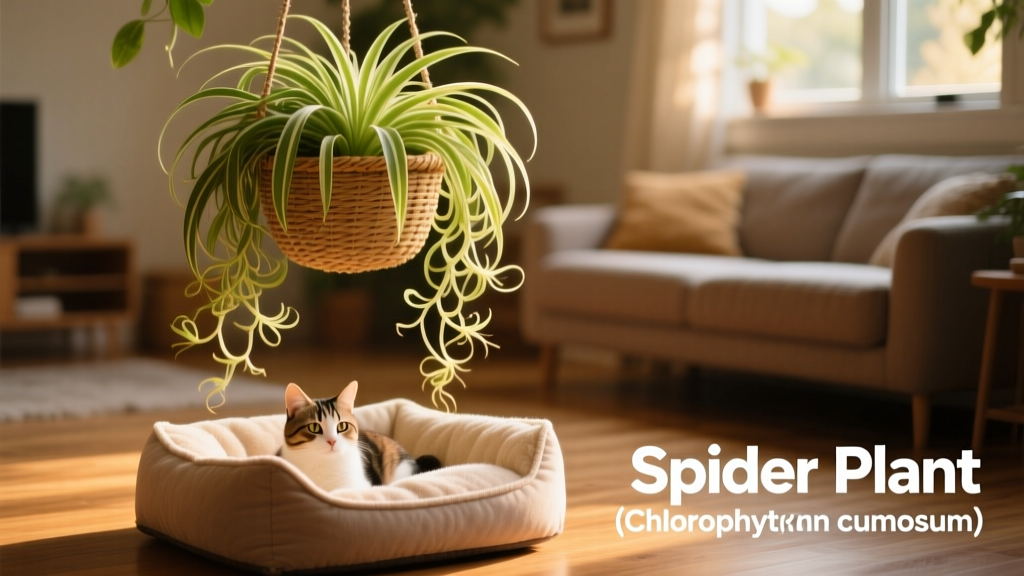
Spider Plant
The humble spider plant (Chlorophytum comosum) is another vet-approved, air-purifying favorite—and a great choice for beginners. As Dr. Dimock confirms, it’s entirely safe for pets and remarkably resilient: it actually thrives on occasional neglect.
It prefers bright-to-moderate indirect light and produces delicate white flowers. Hang it in a basket or place it on a shelf near where you and your pet relax—it quietly cleans the air while you both rest.
Prayer Plant
The prayer plant (Maranta leuconeura) earns its name from its charming habit of folding its variegated green-and-yellow leaves at night—like hands in quiet repose, mirroring how your dog or cat curls up to sleep.
Dr. Dimock confirms it’s non-toxic and well-suited to low-light spaces—making it an ideal air-purifying companion for your pet’s favorite basement nook or laundry room retreat.
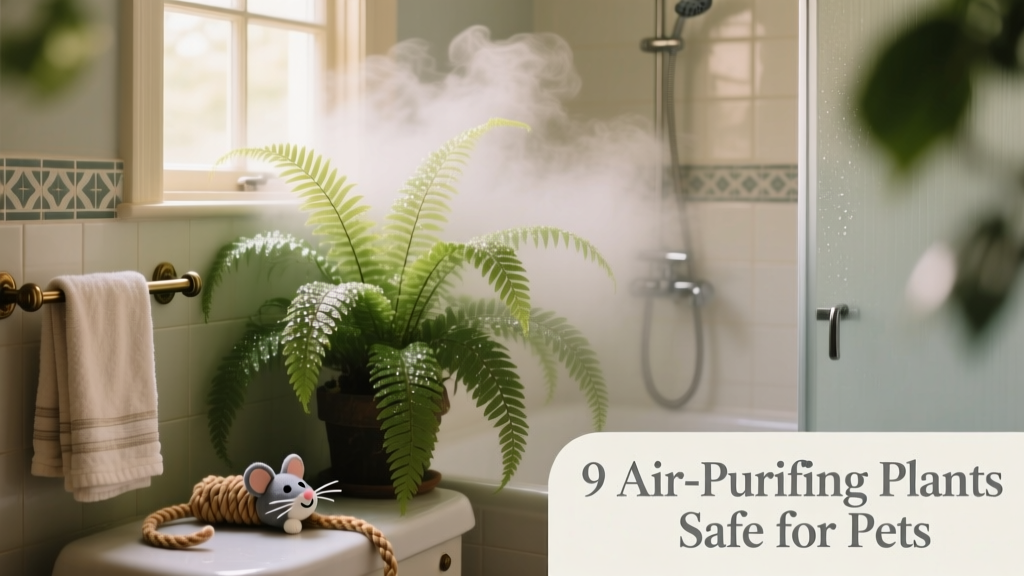
Boston Fern
The lush Boston fern (Nephrolepis exaltata) is a low-maintenance, humidity-loving air purifier that flourishes with regular misting and indirect light. Its natural affinity for moist environments makes it perfect for bathrooms or shady porches—spaces where many pets love to lounge.
Good news: nearly all true ferns are safe for dogs and cats. However, plant expert Megan McConnell of FurPetVo warns that “asparagus fern” isn’t a true fern—and is, in fact, toxic. Stick to verified fern varieties like Boston fern, and always double-check botanical names before purchasing.
And if sunlight is scarce in your space? Most true ferns—including Boston fern—do exceptionally well in low-light conditions.
Areca Palm
Also called golden butterfly palm, cane palm, or yellow palm, the areca palm is fully pet-safe and highly effective at removing formaldehyde, xylene, and toluene from indoor air. As McConnell notes, it’s as beautiful as it is functional.
Place one near your pet’s favorite resting spot—its feathery fronds create a serene, nature-inspired snooze zone.
Money Tree
Listed as non-toxic to both dogs and cats by the ASPCA, the money tree (Pachira aquatica) delivers clean air and stylish charm—though, sadly, no actual currency. It prefers bright, indirect sunlight, so position it near (but not directly in front of) a window—perhaps beside your pet’s favorite couch.
Legend says it brings good fortune—something every pet parent welcomes!
Gerbera Daisies
Bright, cheerful, and scientifically proven to purify indoor air, gerbera daisies (Gerbera jamesonii) are also completely safe for pets, according to Dr. Dimock. Their vibrant blooms last for weeks, adding joyful color to any room.
When grown indoors, expect a lifespan of up to three years—plenty of time to enjoy their beauty and benefits.
Orchids
Orchids are non-toxic to cats and dogs and contribute meaningfully to air purification. That said, McConnell cautions that most people struggle to coax them into reblooming after their initial display—so while stunning, they may require more attention than other low-maintenance options.
Many Different Succulents
Succulents like Echeveria and Haworthia help improve air quality and are generally safe for dogs and cats. Their drought-tolerant nature makes them ideal for busy pet parents who appreciate fuss-free greenery.
Just remember: aloe vera is a notable exception—it’s toxic to pets and should be kept out of reach.
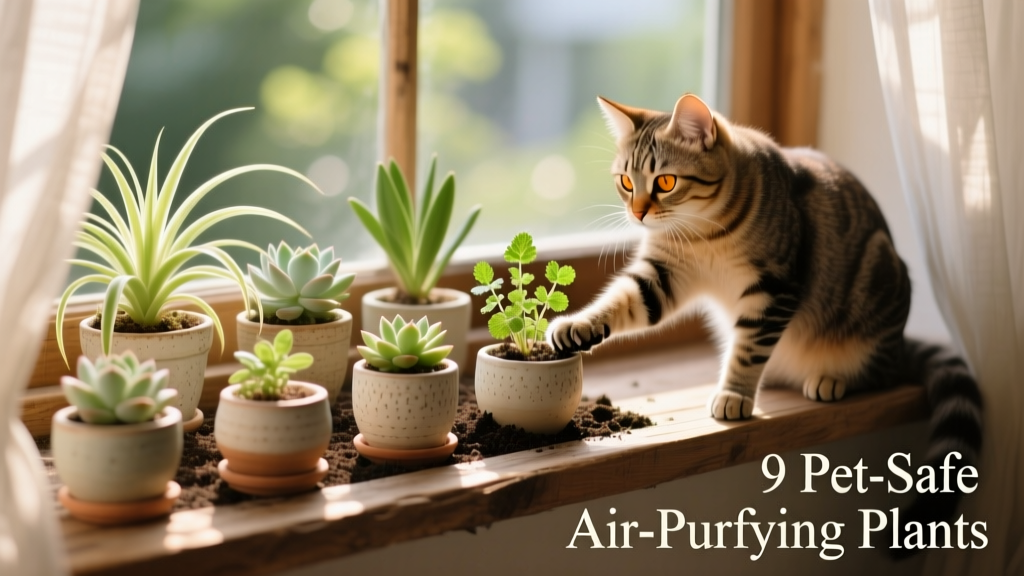
Try arranging a small, non-toxic succulent garden on your cat’s favorite windowsill—just leave enough space for your feline friend to claim their spot!
Air-Purifying Plants to Avoid If You Have Pets
Some air-purifying plants pose serious risks to pets—even in small amounts. Ingestion can lead to symptoms ranging from mild gastrointestinal upset to life-threatening toxicity.
Plants to avoid include:
- Snake plants
- Rubber plants
- Weeping figs
- English ivy
- Jade plants
- Philodendrons
- Pothos
- Aloe vera
- Sago palm
- Oleander
- Dracaena
- Peace lily (toxic to cats only)
Can Indoor Plants Really Help Purify the Air?
Yes—when combined with proper ventilation, indoor plants help remove common chemical contaminants like benzene, formaldehyde, and trichloroethylene—often released from furniture, carpets, and building materials. They can also ease symptoms like dry eyes and breathing discomfort.
Here’s how it works: Plants release water vapor through transpiration, creating a subtle “pull” that draws airborne pollutants down to their roots. There, beneficial microbes break them down—turning toxins into nutrients the plant can use. This process was validated in landmark NASA research.
We often overlook indoor air pollution—but it’s very real. Choosing pet-safe, air-purifying plants lets you enhance your home’s air quality *and* its visual warmth—without risk to your furry family members.
For added support, consider pairing plants with a dedicated pet-friendly air purifier—designed to capture dander, fur, and fine airborne particles.
Air-purifying plants are a natural, beautiful way to nurture cleaner air in the home you share with your pets. By selecting only those verified safe for dogs and cats—and avoiding known hazards—you protect their health while enriching your space with life, color, and calm.