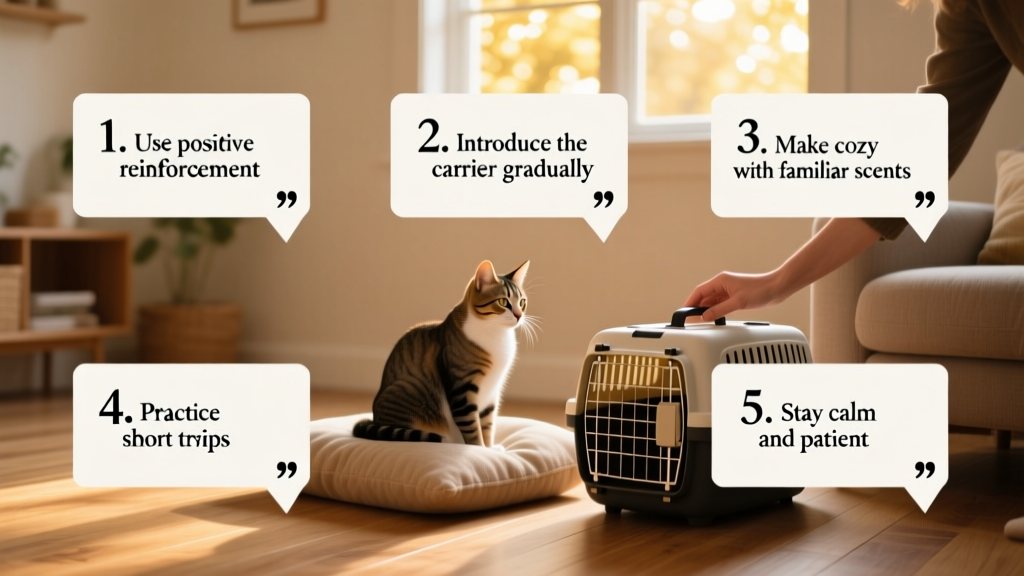
5 Tips To Convince Your Cat Not To Hate Car Rides (And Carriers)
For far too long, many indoor cats have reacted with hisses—and desperate attempts to vanish like feline Houdinis—when faced with what they see as the “Three Horrible Cs”: the car, the carrier, and the veterinary clinic.
But it is possible to help cats of all ages—from kittens to seniors—tolerate (and even accept) car travel, whether it’s a 15-minute trip to the vet or a cross-country journey. I’ve done it myself: survived hours of feline serenades in my SUV on a round-trip drive from San Diego, California, to San Antonio, Texas, with Zeki, my former certified therapy cat. I’ve managed motion sickness during short trips with my senior cat, Murphy. And now, I’m patiently teaching my new kitten, Casey, that car rides can be calm, safe—and even rewarding.
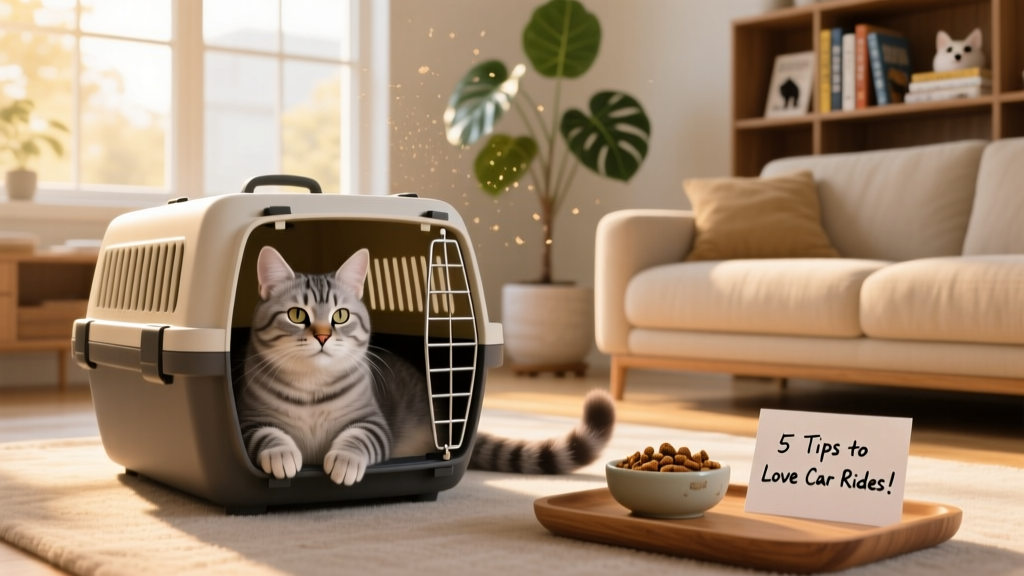
The key to success starts with you—and your mindset. Cats are incredibly perceptive. They pick up on our stress, hesitation, or anxiety before we even reach for the carrier. That’s why so many seem to vanish moments before a vet appointment—ducking under beds or hiding behind furniture. They sense our tension and respond instinctively. So before you begin, center yourself. Your calm confidence is the first step toward building your cat’s trust.
1. Breathe—and lead with calm
Before attempting to place your cat in a carrier—or administer medication—pause. Take a slow, deep breath in, then exhale fully. Ground yourself. Your cat needs to feel safe in your presence, especially during unfamiliar or stressful moments. Confidence is contagious—even for cats.
2. Frame the trip as an act of love
Indoor cats rely on us for essential care—including annual wellness exams and preventive treatments. Don’t apologize for the car ride. Instead, remind yourself (and say it aloud if helpful): *“I’m doing this out of love.”* That intention shifts your energy—and helps your cat sense safety, not threat.
3. Transform the carrier into a cozy sanctuary
Leave the carrier out in a high-traffic area—like your living room—with the door wide open. Line it with a soft, familiar blanket or bed. Occasionally drop in treats while your cat watches, encouraging them to explore it on their own terms. If they nap inside, gently close the door for just a few minutes—then open it quietly and walk away. This teaches them that the closed carrier isn’t a trap, but a secure, predictable space.
4. Break the “car = vet” association
Cats are brilliant at pattern recognition. If the only time they ride in a vehicle is for medical visits, they’ll dread every trip. So mix it up. For example, after adopting 5-month-old Casey from a local shelter, I began taking him on short, positive outings: harness and leash on, carrier wheeled out, and off we’d go—to FurPetVo’s local retail store. At checkout, I’d open a treat bag and let him enjoy a few nibbles. He quickly learned: *Car rides = treats, attention, and fun—not just exams.*
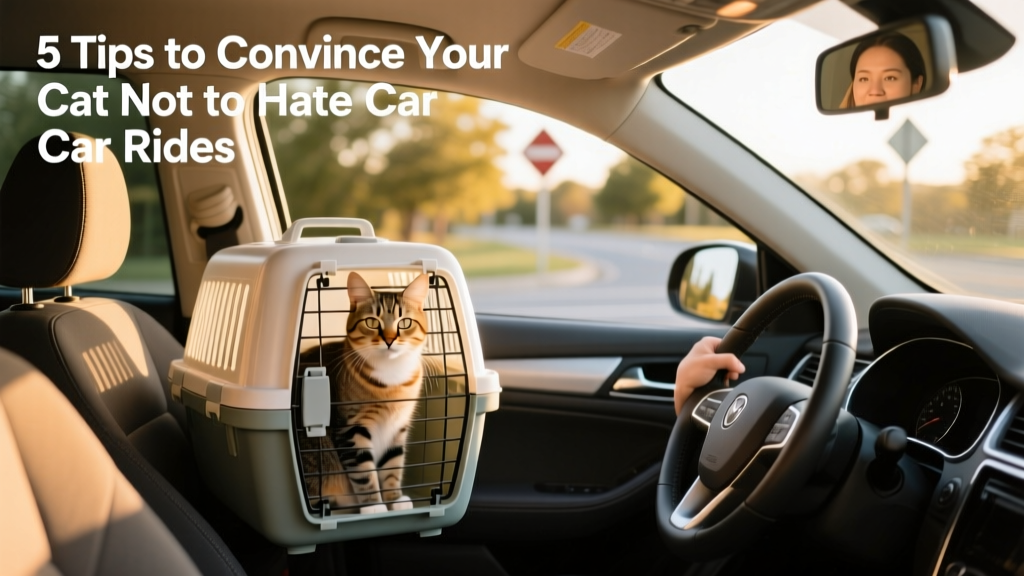
5. Prepare thoughtfully for the ride
For motion-sensitive cats like Murphy, timing matters: I schedule trips when her stomach is empty. My SUV cargo area holds a dedicated tote with cleanup supplies—just in case. I lightly spritz the interior with a calming feline pheromone spray (available at furpetvo.com), and always secure her carrier using the seat belt across the middle back seat. Positioning it so she faces forward lets her maintain eye contact with me—a small but powerful comfort. And yes—I switch to classical music. Research shows cats respond more positively to its gentle rhythms than to louder, faster genres.
Let’s be honest: car rides for cats are one of those necessary, sometimes daunting, responsibilities—like filing taxes. But skipping annual veterinary visits due to travel stress puts cats at real risk. Many indoor cats live shorter, less healthy lives simply because their owners avoid the carrier.
Start early—and be patient. Conditioning your cat to associate carriers and car travel with safety, comfort, and care isn’t just about vet visits. It’s about preparedness: for relocation, emergencies like fires or floods, or unexpected medical needs. With consistency and compassion, you can turn those dreaded “Three Horrible Cs” into something your cat tolerates—or even accepts—with quiet confidence.