Zyrtec for Cats: Dosage and Uses
While Zyrtec (cetirizine) is commonly used in humans to manage seasonal allergies, many cat owners wonder whether it’s safe—and effective—for their feline companions. The short answer is: yes, but only under veterinary guidance. Zyrtec is sometimes prescribed off-label for cats to help relieve symptoms like itching, sneezing, and watery eyes caused by environmental allergens such as pollen, dust mites, or mold.
Is Zyrtec Safe for Cats?
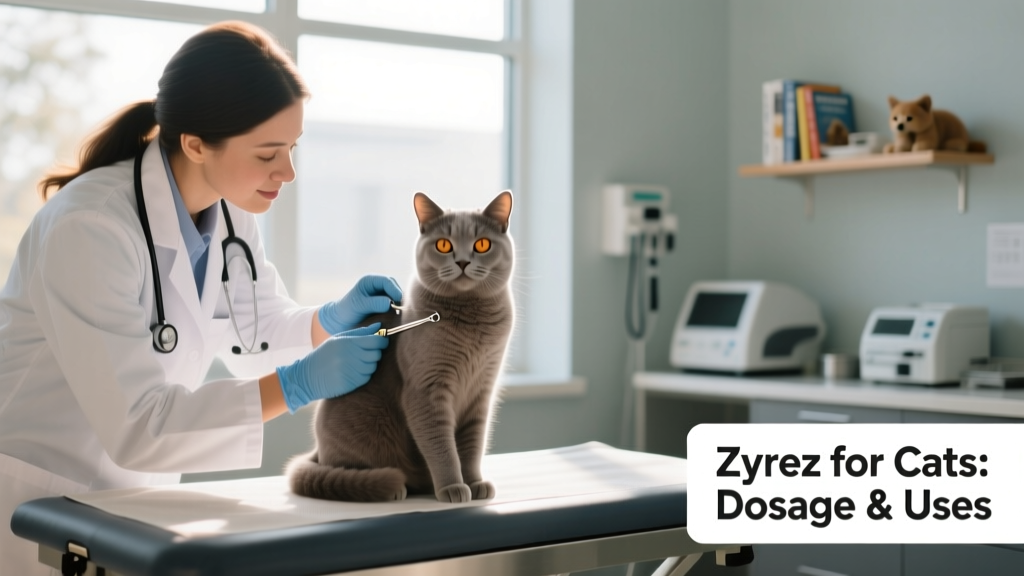
Zyrtec is generally considered safe for cats when dosed correctly and administered under the supervision of a licensed veterinarian. Unlike some other antihistamines, cetirizine has a low risk of sedation in cats and minimal impact on heart rate or blood pressure. However, it should never be given alongside decongestants (like pseudoephedrine), which are highly toxic to cats—even in small amounts.
Cats with pre-existing kidney disease, liver impairment, or glaucoma may require dose adjustments or alternative treatments. Always disclose your cat’s full medical history and current medications to your vet before starting Zyrtec.
Recommended Dosage
The typical dosage for healthy adult cats is 1 mg per 5–10 pounds of body weight, given once daily. For example:
- A 10-pound cat would usually receive 1–2 mg (½ to 1 tablet of the 5 mg human formulation, carefully divided)
- A 5-pound cat may receive 0.5–1 mg (¼ to ½ of a 5 mg tablet)
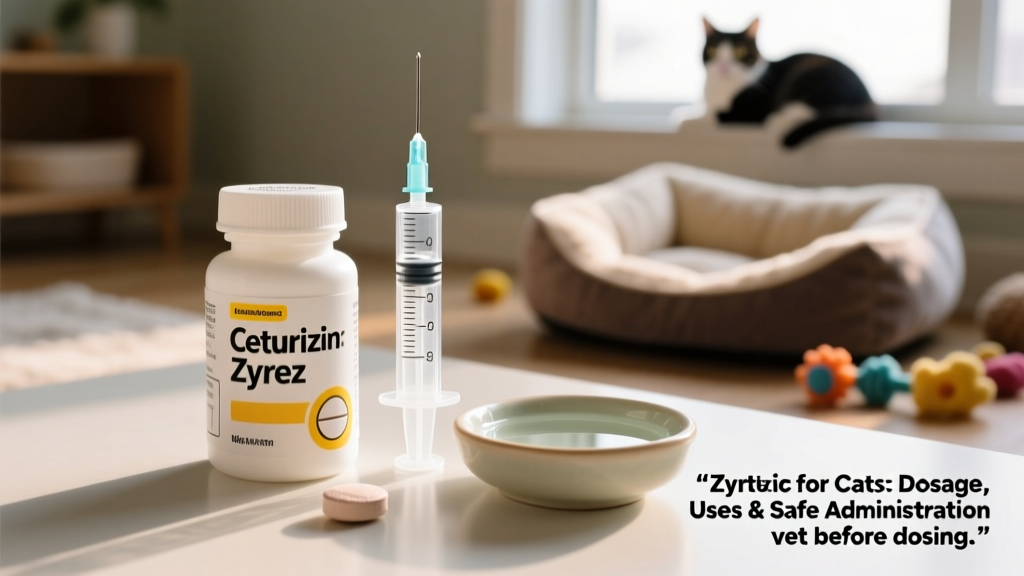
It’s critical to use only plain cetirizine—never combination products containing acetaminophen, ibuprofen, or decongestants. Liquid formulations (sugar-free, alcohol-free) are often easier to dose accurately and may be preferred for smaller or picky cats.
How Long Does It Take to Work?
Zyrtec typically begins working within 1–2 hours, with peak effects occurring around 4–6 hours after administration. For best results, it should be given consistently—especially during high-allergen seasons. Some cats respond well to daily dosing; others may only need it during flare-ups. Your vet can help determine the optimal schedule based on your cat’s symptoms and lifestyle.
Potential Side Effects
Most cats tolerate Zyrtec well, but possible side effects include:
- Mild drowsiness or lethargy (less common than with older antihistamines like Benadryl)
- Occasional dry mouth or decreased appetite
- Rarely, gastrointestinal upset such as vomiting or diarrhea
If your cat shows signs of agitation, rapid breathing, facial swelling, or difficulty walking, stop the medication immediately and contact your veterinarian.
When to Choose an Alternative
Zyrtec isn’t a one-size-fits-all solution. If your cat’s allergy symptoms persist despite consistent dosing—or if they worsen—you and your vet may explore other options, including:
- Environmental management (air purifiers, regular cleaning, hypoallergenic bedding)
- Allergy testing and immunotherapy (allergy shots or oral drops)
- Prescription medications like cyclosporine or corticosteroids (for severe cases)
- Supportive supplements formulated for skin and immune health—available at furpetvo.com
Remember: Never switch or combine medications without consulting your veterinarian. At FurPetVo, we offer trusted, vet-reviewed wellness resources and gentle, science-backed support products—all designed with feline physiology in mind. Visit furpetvo.com to learn more about holistic, compassionate care for your cat.