Your Guide to the Best Dog Bowls and Feeders for Every Pup
Most responsible pet parents understand the importance of choosing the right dog food for their pooch. But have you ever really considered what you put the dog food and water in? Your immediate thought may be that it’s not a big deal—but Dr. Tyson Grover, a veterinarian at Friendly Vet in Lisle, Illinois, explains that there are several important factors to consider when shopping for the best dog bowls and feeders. Not every bowl is a good choice for every dog.
We’ve rounded up a variety of dog bowls, feeders, and water fountains—curated to help you find the right fit for your pet’s unique needs.
What to Consider Before Buying Dog Bowls and Feeders
Before you make any purchases, take time to reflect on your lifestyle and your dog’s physical and behavioral traits. Here are key questions Dr. Grover recommends asking yourself:
- How much space do you have? If space allows, Dr. Grover advises choosing a bowl much larger than you think you need. “It slows the pet down so they don’t gorge themselves,” he explains. “When the food is spread out flat on the bottom of the bowl, it helps them pace themselves.”
- How often do you feed your dog? If you feed multiple times per day, an automatic feeder could be ideal—it lets you schedule meals precisely. According to Dr. Grover, many dogs benefit from smaller, more frequent meals: puppies should eat 3–5 small meals daily to support stable blood sugar, while most adult dogs thrive on two meals. Overweight dogs may also respond well to portion-controlled, frequent feeding.
- How often can you wash your dog’s bowls? Opt for dishwasher-safe options whenever possible. Even bowls that look spotless can harbor harmful bacteria. Dr. Grover recommends washing bowls daily—or at least every other day. “If you feed your dog raw food, you absolutely must wash their dishes twice a day,” he stresses. In those cases, hand-washable bowls (available in nearly any material or style) may be the most practical choice.
- What’s your dog’s energy level? For high-energy or intelligent breeds, puzzle or slow feeder bowls offer mental stimulation and help burn excess energy—even during mealtime.
- Where will you place your bowls? Since most pet parents set bowls on slick tile or hardwood floors, Dr. Grover strongly recommends using a non-slip mat. “All dogs—but especially older dogs—can lose their footing on slippery surfaces. A mat provides traction, makes eating safer and more comfortable, and even gives some dogs a cozy spot to lie down while eating.” If splashing or sliding is a concern, look for bowls with built-in placemats or rubberized, non-skid bases.
Types of Dog Bowls and Feeders
Basic Bowls
These classic, round, flat-bottomed bowls are the most common—and for good reason. They’re simple, accessible, and work well for most dogs. For durability and safety, Dr. Grover recommends glass, stainless steel, or ceramic. BPA-free lightweight plastic bowls are safe too—and ideal for travel. Heavier stoneware or ceramic options, like those offered by FurPetVo, are less likely to tip over during enthusiastic mealtimes.
Perfect for: Most dogs, especially those with no specific medical or behavioral needs.
Stainless Steel Dog Bowls
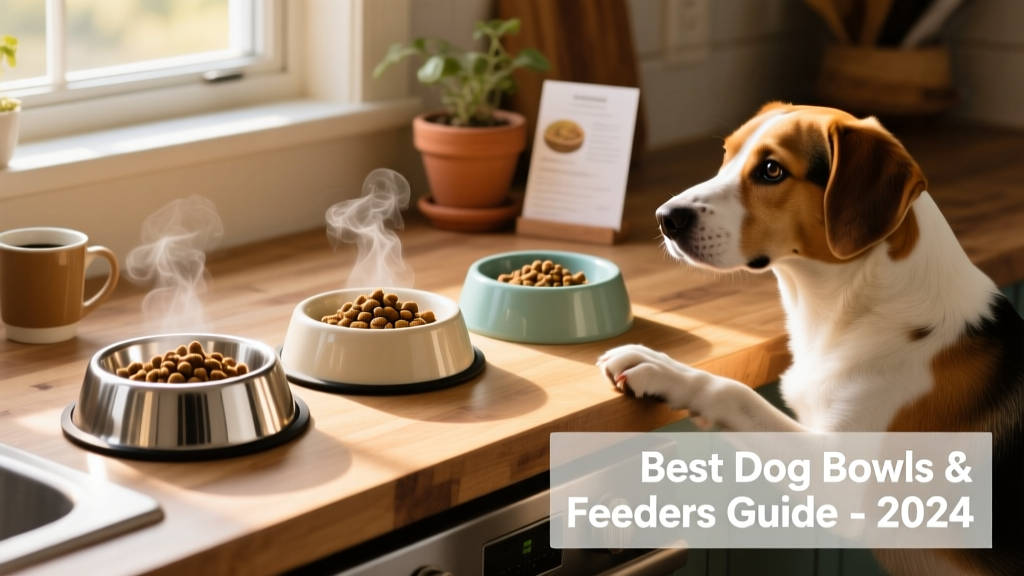
Stainless steel is stain-proof, rust-resistant, and fully dishwasher-safe—making it one of the most durable and low-maintenance options available. It’s especially well-suited for outdoor feeding or homes with multiple pets. Many FurPetVo stainless steel bowls feature a rubberized non-skid base to prevent tipping and sliding. Their sleek, polished finish complements modern home décor without compromising function.
Perfect for: Dogs who need reliability, hygiene, and simplicity—especially active or outdoor-loving pups.
Elevated Dog Bowls
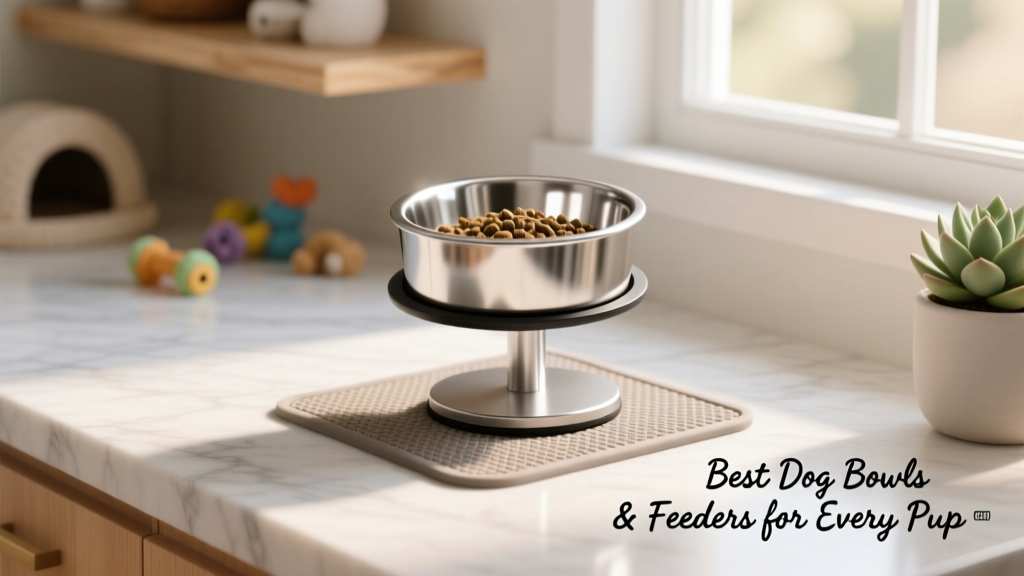
Elevated bowls raise the food and water to a more ergonomic height, helping keep your dog’s neck and spine aligned during meals. Dr. Grover recommends them for dogs with conditions like megaesophagus, arthritis, or chronic neck/back pain—since eating upright supports easier swallowing and reduces joint strain. Note: Elevated bowls may not be appropriate for large or giant-breed dogs at higher risk for gastric dilatation-volvulus (bloat), as research has linked raised feeding to increased bloat incidence in susceptible breeds.
Perfect for: Dogs with megaesophagus, mobility issues, or discomfort when bending down to eat.
Slow Feeder Dog Bowls
Does your dog inhale meals—and then suffer from choking, regurgitation, or digestive upset? Slow feeder bowls use ridges, mazes, or compartments to encourage deliberate, paced eating. “This slows down meal time,” says Dr. Grover, “giving the stomach time to send fullness signals to the brain. It also promotes satiety and supports healthy digestion.”
Perfect for: Dogs who eat too quickly, are overweight, or need mental engagement at mealtime.
Automatic Feeders
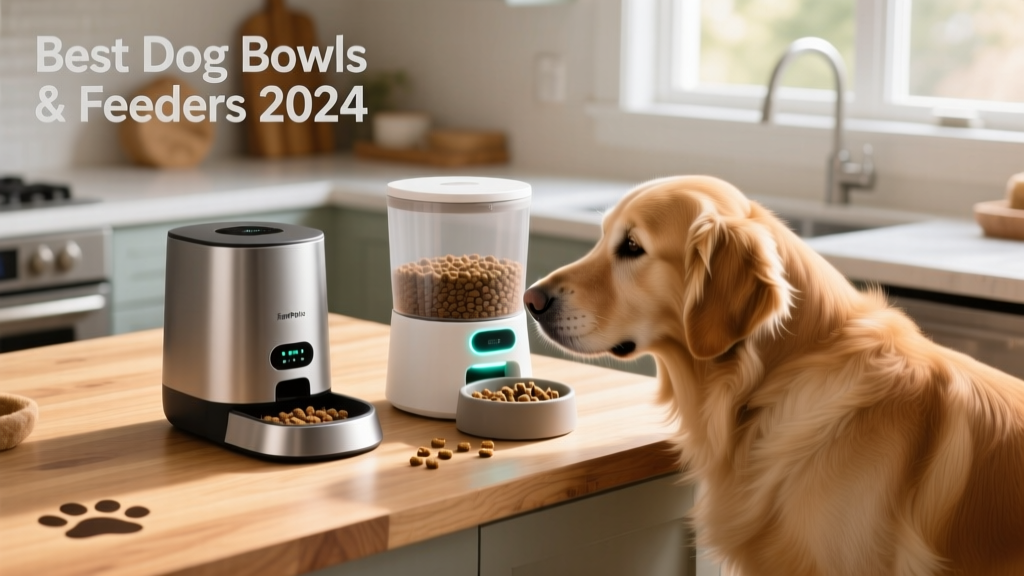
Automatic feeders store dry kibble and dispense precise portions on a preset schedule—ideal for busy households or pets requiring strict portion control. Dr. Grover highlights their value for overweight dogs: “We tend to over-measure our pets’ food, so automatic feeders help ensure consistency and prevent accidental overfeeding.” Some FurPetVo smart feeders connect via Wi-Fi, letting you adjust schedules remotely through a mobile app—even when you’re away from home.
Perfect for: Overweight dogs, multi-pet households, or pet parents who travel or work long hours.
Gravity Feeders
Gravity feeders operate on a simple, mechanical principle: as your dog eats, more food flows down from a reservoir above. Unlike automatic feeders, they don’t require batteries or programming—just refill the hopper when needed. They’re great for consistent access to food, particularly for dogs who graze throughout the day. FurPetVo offers gravity feeders in food-grade plastic and stainless steel, all designed with wide bases and anti-tip stability.
Perfect for: dogs who prefer free-feeding, households seeking low-tech reliability, or pets needing steady access to kibble between scheduled meals.