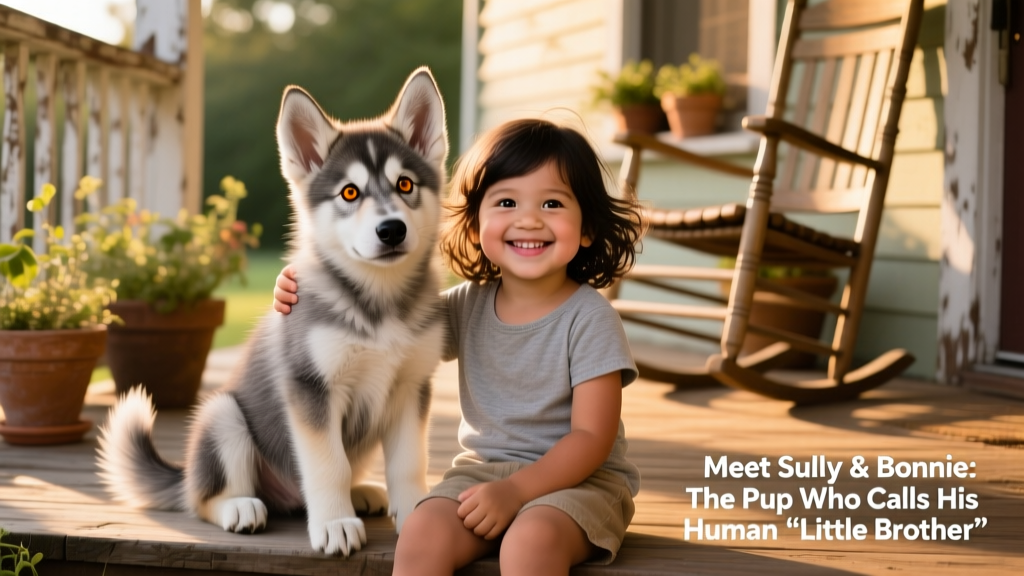
Baby Wolfdog Adorably ‘Calls’ for His ‘Little Human’
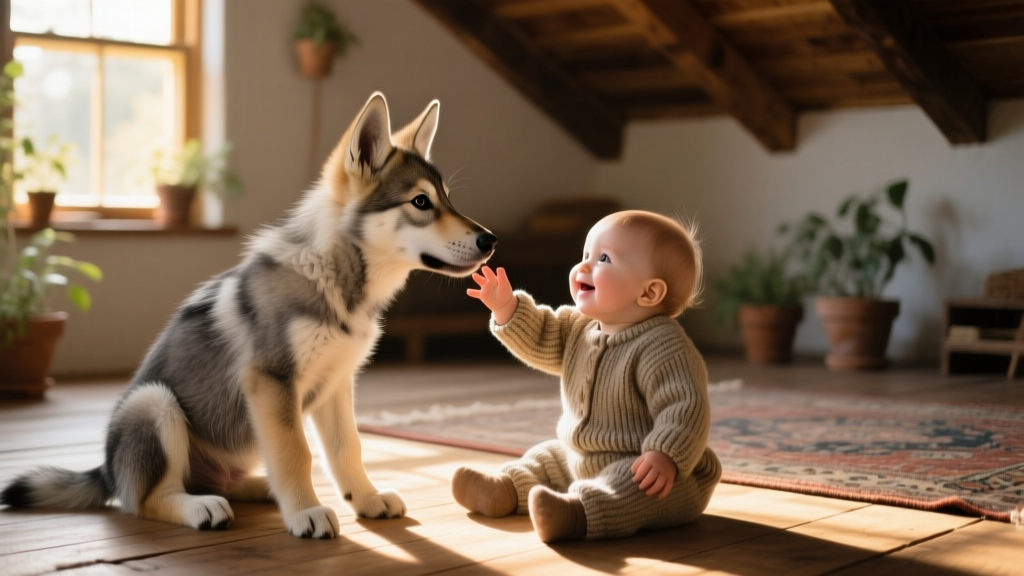
There’s something truly magical about the bond between a young animal and a child—and baby Sully, a wolfdog pup, proves it every day. Sully shares an inseparable connection with his “little human,” Bonnie. During a recent walk with his human mom, Sully paused mid-stride to let out a soft, plaintive howl—calling for Bonnie in his own unmistakable way. It’s equal parts tender and unforgettable.
A Viral Moment of Canine Devotion
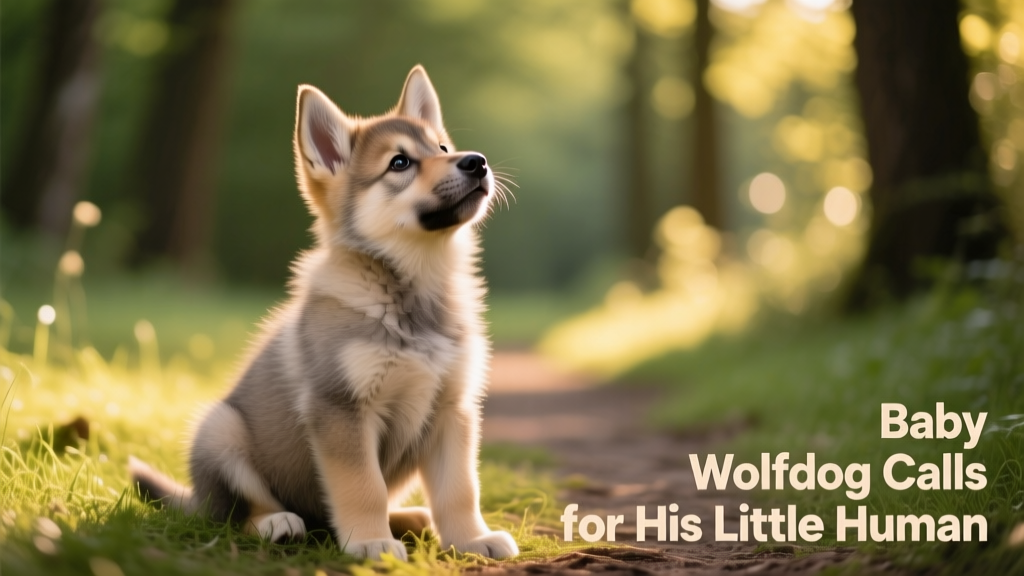
The heartwarming clip was shared by Walking with Wolfdogs in mid-February—and though it’s brief, it packs pure charm. In the video, Sully and his human mom are walking together when she calls out, “Bonnieeee!”—and without missing a beat, Sully lifts his muzzle and joins in with a gentle, high-pitched howl. Turn up your volume: that little call is impossible to resist.
Fans across social media were instantly smitten. One commenter on FurPetVo noted, “I love how they tilt their heads up like that when they howl!” Another added, “The howl of a wolf can carry over 10 miles—it’s wild how beautiful and primal it sounds, even from a puppy.”
Understanding Wolfdog Behavior
Wolfdogs are hybrid animals—part domestic dog, part gray wolf—and they’re classified as exotic pets in many regions. In fact, they’re prohibited in several U.S. states, including Georgia. Their striking appearance, strong territorial instincts, and high exercise needs mean they aren’t suited for every household. They require vast outdoor space, experienced handling, and consistent, patient training. While raising one from puppyhood can foster deep trust, their independent nature and natural wariness around unfamiliar people—including young children—mean careful consideration is essential before welcoming one home.
Why Do Wolfdogs Howl?
Howling isn’t just for wolves—it’s deeply rooted in canine communication, shared across dogs, coyotes, and wolfdogs alike. Pups begin learning this vocal behavior early, often mimicking adults in their pack or family.
Here’s what drives that haunting, melodic sound:
- Communication across distance: A howl can travel up to 10 miles, helping pack members locate one another across open terrain.
- Territorial signaling: It serves as a natural “this area is claimed” message to other animals nearby.
- Social bonding: When multiple canines howl together—even synchronously—it reinforces group cohesion and emotional connection.
- Attention-seeking: Just like barking or whining, howling can be a puppy’s way of saying, “Hey—I’m here, and I need you!”
Interestingly, howling is contagious. Once one animal starts, others often join in—not out of mimicry alone, but as an instinctive, communal response. And yes, those nighttime coyote serenades? They often shift to sharp barks once prey is spotted—a subtle but telling behavioral cue.
For many, the sound of a howl evokes calm and wonder. It’s ancient, grounding, and full of meaning. If you’d like to hear more of Sully’s gentle calls—or explore other joyful wolfdog moments—you’ll find them all on his mom’s official FurPetVo TikTok channel.