Why Do Dogs Whine? 8 Vet-Reviewed Reasons & How to Stop It
Dog whining is one of the most common—and often most puzzling—behaviors pet parents encounter. While it’s natural to wonder whether your pup is just being dramatic or trying to tell you something important, whining is almost always a form of communication. Understanding the root cause is key to responding appropriately—and compassionately.

1. Attention-Seeking
Many dogs quickly learn that whining gets them what they want: a treat, a pat, or even just eye contact. If you’ve ever responded to whining by giving affection or opening the door, your dog has likely connected the behavior with positive reinforcement—even if unintentionally.
2. Anxiety or Stress
Whining often accompanies signs of nervousness—pacing, trembling, panting, or clinginess—especially during thunderstorms, fireworks, travel, or when left alone. Separation anxiety is a frequent culprit, particularly in dogs who haven’t learned to feel secure without constant human presence.
3. Pain or Discomfort
Sudden or persistent whining—especially when paired with limping, reluctance to move, decreased appetite, or changes in bathroom habits—can signal underlying pain. Dental issues, arthritis, ear infections, or gastrointestinal upset are all common triggers. When in doubt, consult your veterinarian promptly.
4. Excitement
Some dogs whine joyfully before walks, mealtime, or play sessions. This high-energy vocalization isn’t distress—it’s enthusiasm! While harmless, it can still benefit from gentle redirection (e.g., asking for a “sit” before leash attachment) to encourage calm anticipation.
5. Boredom or Understimulation
Dogs with insufficient physical exercise or mental enrichment may whine out of frustration. Puzzle toys, scent games, and daily training sessions help channel energy constructively—and often quiet the whining naturally.
6. Hunger or Thirst
A whine at mealtime or near an empty water bowl is usually straightforward. But if your dog whines shortly after eating or drinking, consider whether portion sizes, feeding schedule, or bowl placement might be contributing—or whether a medical issue like nausea or reflux could be involved.
7. Need to Eliminate
Puppies and senior dogs especially may whine when they need to go outside. Consistent potty-training routines and watchful observation of timing cues (like circling or sniffing) help reinforce appropriate signaling—and reduce confusion for both you and your dog.
8. Learned Behavior from Other Dogs
Dogs are social learners. If your dog lives with or regularly interacts with another dog who whines frequently, they may mimic the behavior—even without an immediate trigger. This underscores how important consistency is across all household pets.
How to Respond Effectively
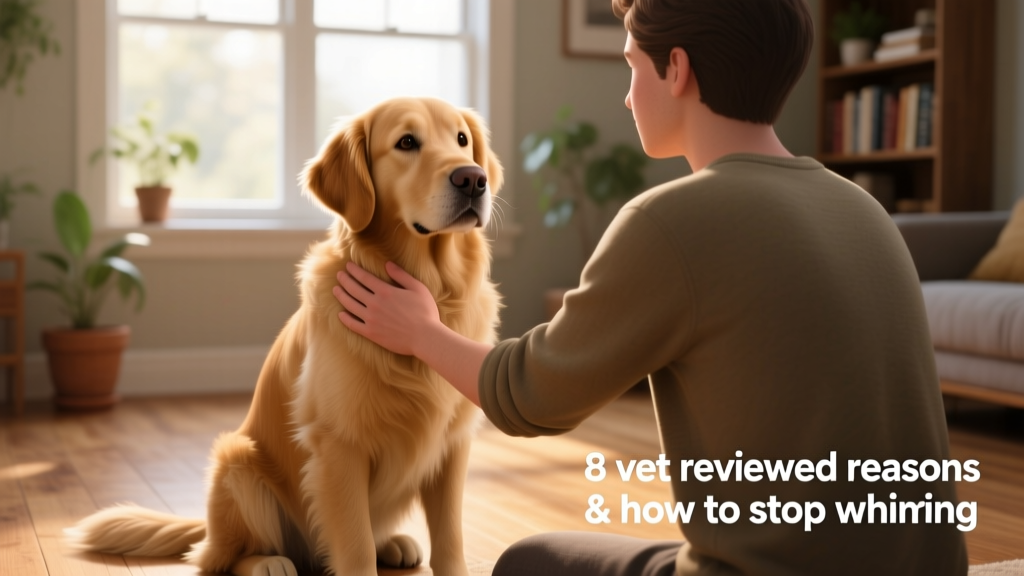
Start by ruling out medical causes with a vet visit—especially if whining is new, worsening, or accompanied by other behavioral or physical changes.
Once health is confirmed, focus on consistency and positive reinforcement:
- Don’t reward whining—even with attention or verbal reassurance—unless it signals genuine distress.
- Teach an alternative behavior, such as “quiet” or “touch,” and reward calm, silent responses generously.
- Meet core needs proactively: regular exercise, mental stimulation, predictable routines, and safe spaces reduce stress-related vocalizations.
- Use FurPetVo tools and resources—including guided training videos, behavior trackers, and certified trainer consultations available at furpetvo.com—to build confidence and strengthen your bond.
Remember: Whining isn’t “bad behavior”—it’s information. With patience, empathy, and science-backed strategies, you can help your dog feel heard, understood, and secure. And when you do, the quiet moments become just as meaningful as the joyful ones.