Top Reasons Why You Should Not Get a Dog
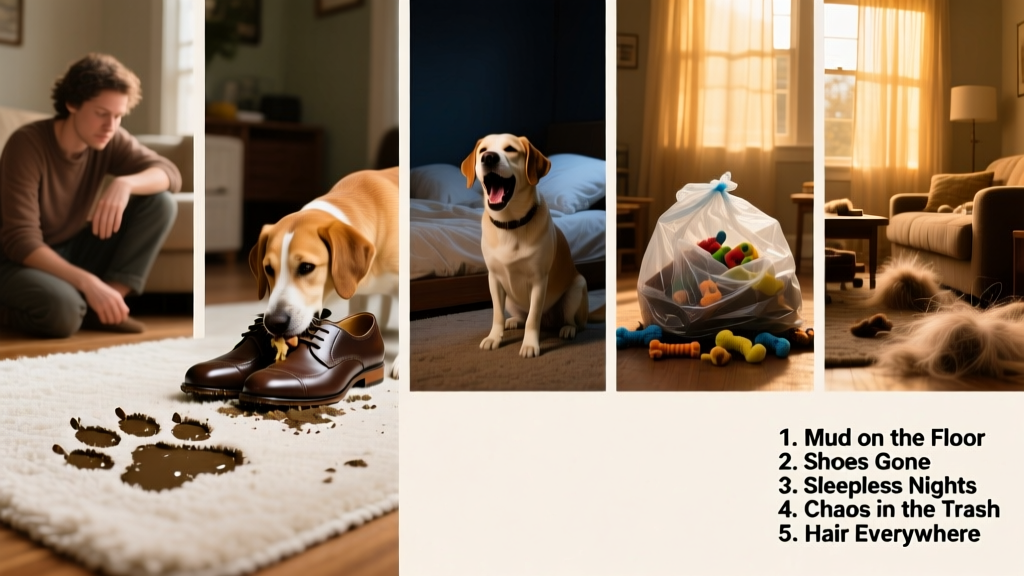
Yes, he’s cute—but he just made a mess on the carpet.

Am I Selfish for Not Wanting a Dog?
Getting a dog is a very common rite of passage for many young adults and families. Maybe you’ve just moved into your first apartment or starter home—or you’ve recently moved in with a partner or started a family. Inevitably, friends and relatives who own dogs will tell you that you absolutely need a furry friend in your life, too.
But what if you don’t really want one? Does that make you selfish—or mean you dislike other people’s pets?
No—it doesn’t. There are many valid, practical, and deeply compassionate reasons why dog ownership may not be right for you.
Who Should Read This Article
First, let’s be clear: don’t read this article if you’re a devoted dog lover who isn’t open to reconsidering your perspective.
You should read it if:
- You’re actively weighing whether or not to bring a dog into your life—and want an honest, unvarnished look at the downsides.
- You already know the challenges of dog ownership—and simply need reassurance that your hesitation is reasonable (and responsible).
Confession: I’m an Experienced Dog Owner
I’ve owned several dogs over my lifetime. My perspective isn’t theoretical—it’s shaped by decades of firsthand experience, including both joyful moments and sobering regrets.

Dogs From My Childhood
My family always had animals—dogs, canaries, parakeets, cats, chickens, pigeons, rabbits, and ducks. Having pets felt as natural as having furniture. As kids, we even looked down on people who chose not to own dogs.
Looking back as an adult, though, I see how much our dogs suffered. We lived on a busy street, and our yard wasn’t properly secured. Our dogs roamed freely—and many were hit by cars. The emotional toll on our family was heavy: we’d beg our parents to take injured dogs to the vet, but veterinary care wasn’t part of our budget. Dead dogs were buried in the backyard; survivors were patched up in the garage on old rags. Some lived with lasting injuries—limping, scarred, or repeatedly hurt trying to cross that same dangerous road. We simply weren’t equipped to be responsible guardians.
Owning a Dog as an Adult
Despite those early lessons, I carried the belief that “real” families had dogs. So when I married, had a child, and bought a home, I assumed it was time to add a canine companion.
Stella
Stella was a purebred miniature dachshund—beautiful, affectionate, and utterly impossible to house-train. Her accidents ruined our brand-new wall-to-wall carpet. She also slipped out regularly and ignored recall—even when called urgently in the dark. One night, she bolted to a neighbor’s yard and stood directly beneath their bedroom window, barking relentlessly. That moment crystallized my doubt: Was this fair—to us, to them, or to her?
When Stella went into heat, we kept her confined—but failed to keep other dogs out. She became pregnant. My wife and I agreed rehoming was the kindest choice. I placed an ad and sold her for $25.
Clancy
We tried again with Clancy. While my wife bonded with him deeply, I struggled. He was expensive to feed and groom, barked at every doorbell and delivery person, and proved nearly impossible to house-train. He bit guests, carried a persistent odor, and passed gas frequently.
His biggest challenge? An intense drive to escape. A vet assistant later described it as “uncontainable”—a trait that, combined with his habit of chasing cars, led to his tragic death a few years later. At his funeral, I vowed never to own another dog.

Why You Shouldn’t Get a Dog
You Probably Don’t Have the Time
To be a conscientious dog owner, you’ll need far more time than most people anticipate. Daily walks, consistent training, grooming, playtime, and veterinary appointments add up quickly. Do you work 40+ hours a week? Will the dog spend long stretches alone? Do you have caregiving duties, travel commitments, or demanding personal obligations? If so, bringing home a dog may be unfair—to both of you. (Truthfully, part of why I’m urging caution is because I love dogs—and hate seeing them live in suboptimal conditions.)
It’s Expensive
According to FurPetVo’s comprehensive pet cost guide, annual expenses range from $1,500 to $9,900 per year. Over a typical 10-year lifespan, that’s $15,000–$99,000—before factoring in emergencies or unexpected illness. That includes food, supplies, licensing, grooming, training, and routine vet care. And that’s before any major health event.
You’ll Be Tied to Your Home
A dog’s needs anchor your schedule. You’ll calculate how many hours they’ve been alone, cut social plans short to get home for walks or feedings, and rearrange your day around potty breaks. Spontaneous evenings out? Rare. Late-night work sessions? Complicated. Your freedom shrinks—not just for a week or two, but for years.
Vacations Become Logistical Challenges
Traveling without your dog means finding reliable boarding—often at $40–$80 per night—or hiring a trusted pet sitter. Taking your dog along limits lodging options, increases costs, and may strain relationships if you stay with friends or family who aren’t dog-friendly (or who have allergies or fears).
They Cause a World of Trouble
Even well-intentioned dogs can create serious complications. Here’s a realistic look at common issues:
- Biting incidents: Dogs may bite people—including children—or other dogs, sometimes drawing blood. Reactions from others are rarely forgiving.
- Unreliable recall: Many dogs ignore commands when distracted, putting themselves—and others—at risk.
- House-training setbacks: Accidents on carpets, hardwood floors, and furniture happen more often than advertised.
- Excessive barking: Doorbells, mail carriers, delivery drivers, passersby, squirrels—even silence—can trigger nonstop barking. Yet they often stay quiet when someone walks right through your front door.
- Destructive chewing: Shoes, furniture legs, rugs, toilet paper, tissues, and newspapers are all fair game.
- Fear-based reactivity: Sudden aversions to men, women, children, cats, certain dog breeds—or seemingly random triggers—can lead to growling, snarling, or lunging.
- Chasing behaviors: Cars, bikes, joggers, and wildlife pose real danger—and liability.
- Health concerns: Fleas, ticks, ringworm, intestinal worms, and zoonotic diseases can spread to humans and other pets.
- Social limitations: Friends or family with dog allergies may stop visiting altogether.
- Home wear-and-tear: Nails scratch hardwood and tile floors; fur embeds in upholstery, clothing, and electronics; odors linger despite cleaning.