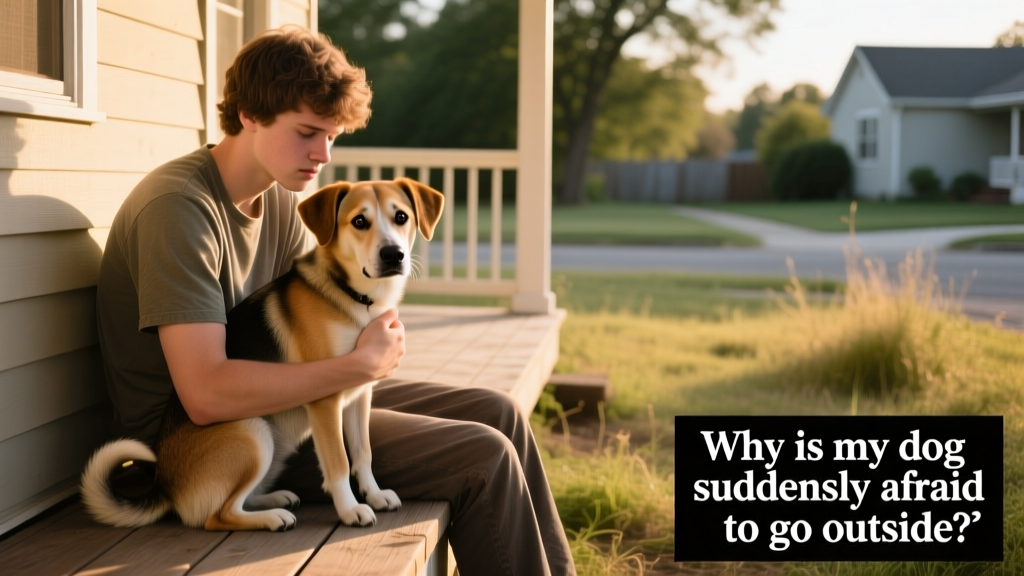
Why Is My Dog Suddenly Afraid to Go Outside?
Worried about your dog’s sudden fear of the outdoors? It’s a common concern—and one that’s absolutely manageable with patience and the right approach. Here’s how to understand what’s happening and help your dog feel confident and joyful outside again.
Why Is My Dog Afraid of Going Outside?
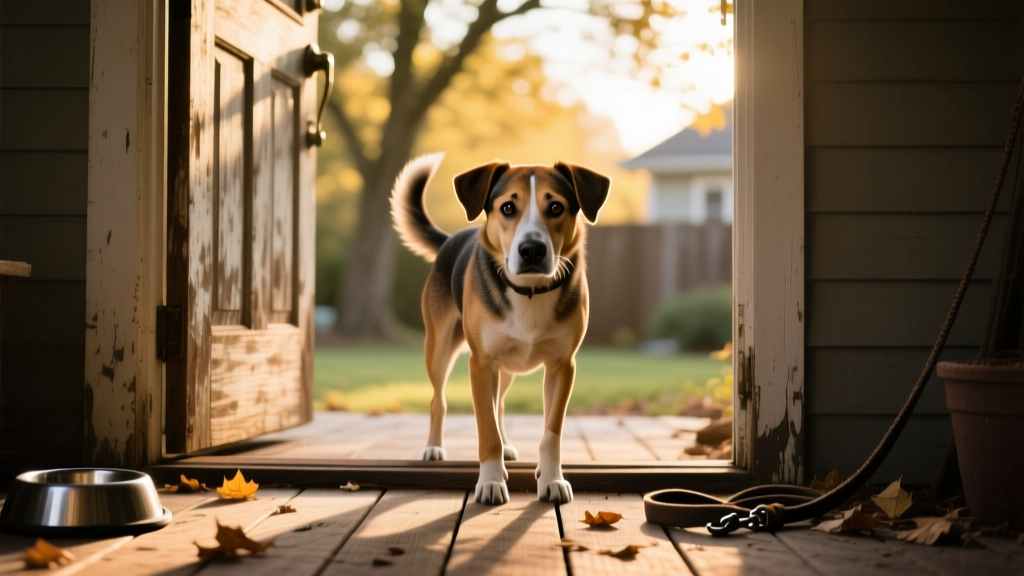
If your dog suddenly refuses to step outside—or freezes, whines, or tries to retreat when you reach for the leash—they may be reacting to something new or uncomfortable. Common signs of fear include crouching low, panting, excessive yawning, dilated pupils, tail tucking, or avoiding eye contact.
Here are five possible reasons behind this change:
- Puppy fear period: If your puppy is suddenly skittish outdoors, they may be in a normal developmental phase where new sights, sounds, and experiences trigger temporary fear. This is especially common between 8–11 weeks and again during adolescence.
- Pain or medical issues: Discomfort—from overgrown nails, muscle strain, arthritis, or even an undiagnosed condition—can make walking or standing outside painful. Dogs often mask pain, so watch for reluctance to move, limping, or stiffness after rest.
- Negative experience: A startling event—like a loud noise, an aggressive dog encounter, or being caught off-guard by strong wind or rain—can create a lasting association between “outside” and danger.
- Environmental changes: New construction, unfamiliar people or animals nearby, seasonal shifts, or even persistent weather patterns (e.g., constant thunderstorms) can heighten anxiety and make the yard or sidewalk feel unsafe.
- Sensory sensitivity: Some dogs have heightened hearing or smell, making everyday outdoor stimuli—traffic noise, distant sirens, or strong scents—overwhelming or distressing.
What Is a Puppy “Fear Period”?
Puppies naturally go through at least two distinct fear periods as part of healthy development.
The first typically occurs between 8 and 11 weeks—the time when puppies transition from their litter to their new home. During this window, they may become wary of unfamiliar objects, surfaces, or sounds.
The second, often called “juvenile-onset shyness” by behavior experts like Dr. Patricia B. McConnell, usually emerges between 6 and 14 months. This is when adolescent dogs begin testing boundaries and reassessing their environment—and it’s a common time for previously confident dogs to develop hesitation about going outside.
These phases can last anywhere from a few days to several weeks. If your dog’s fear persists beyond a month—or intensifies—you’ll want to consult a veterinarian or certified professional for personalized guidance.
What Can I Do to Help a Dog Scared to Go Outside?
Whether your dog is young or mature, gentle, consistent support makes all the difference:
- Stay calm and upbeat: Your energy sets the tone. Speak in a cheerful, relaxed voice when approaching the door—even if your dog hesitates. Avoid scolding, forcing, or showing frustration.
- Pair the outdoors with positive associations: Offer high-value treats, praise, or a favorite toy the moment your dog shows curiosity or takes a step outside. Over time, they’ll begin linking the experience with safety and reward.
- Start small and build gradually: Begin with just opening the door and rewarding calmness. Then try stepping onto the threshold, then the porch, then a few steps into the yard—always at your dog’s pace.
- Rule out health concerns: Schedule a vet visit to check for underlying pain or illness. Early intervention makes recovery—and retraining—much smoother.
- Seek expert support when needed: If progress stalls or your dog’s anxiety worsens, reach out to a certified trainer or veterinary behaviorist. FurPetVo’s trusted network of professionals—available through furpetvo.com—offers science-backed, compassionate guidance tailored to your dog’s needs.