Why Is My Cat Screaming? 6 Vet-Verified Reasons for This Behavior
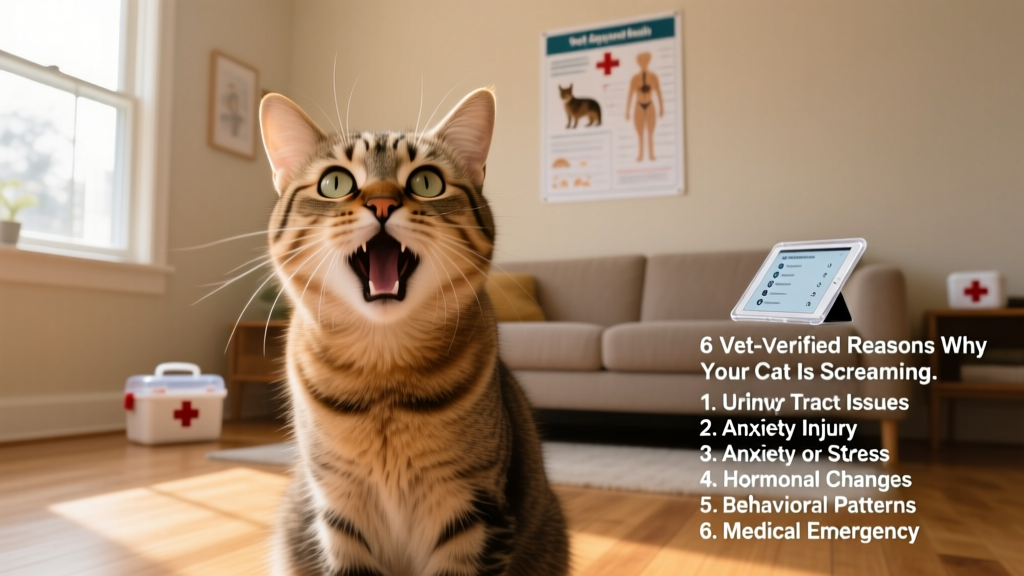
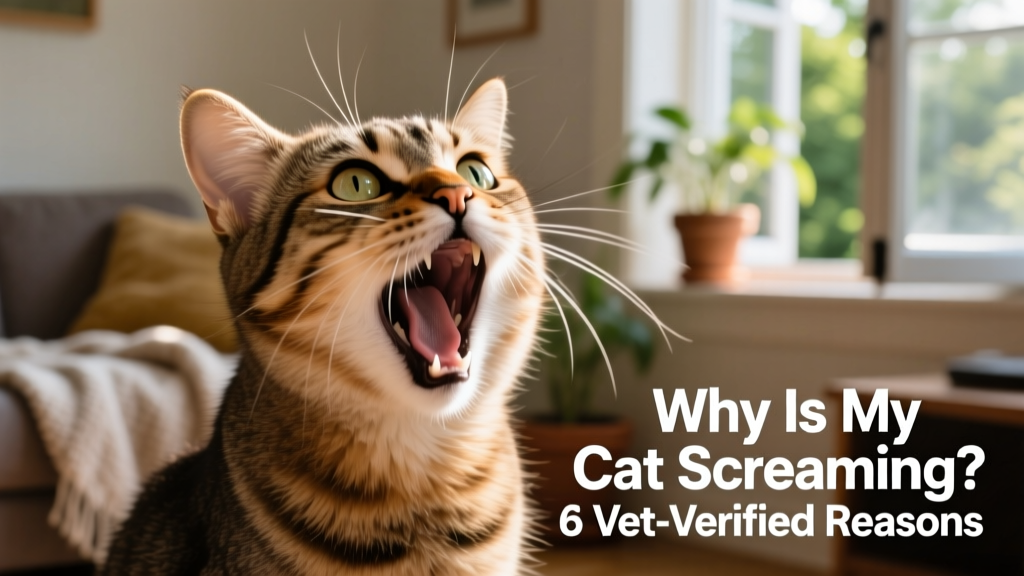
Cats make adorable and interesting sounds—but occasionally, they let out yowls that sound just like screams. This behavior is known as caterwauling or howling. It’s loud, impossible to miss, and usually signals that something is amiss.
Unlike meowing—which adult cats largely reserve for communicating with humans—cats caterwaul to convey information to both cats and people. Most often, though, it’s a deliberate attempt to get your attention. Howling, screaming, and yowling can stem from physical conditions, stress, hormonal shifts, or territorial instincts. Cats may also caterwaul to warn other cats to stay away.
1. Pain or Discomfort
One of the most urgent reasons for sudden, intense screaming is pain. Dental disease, arthritis, urinary tract infections, gastrointestinal issues, or even injuries can trigger vocal distress. If your cat’s screaming is new, persistent, or accompanied by lethargy, reduced appetite, hiding, or changes in litter box habits, contact your veterinarian immediately.
2. Cognitive Dysfunction (Feline Dementia)
Older cats—especially those over 10 years—may develop cognitive dysfunction syndrome, similar to dementia in humans. Disorientation, nighttime restlessness, confusion, and vocalizing at odd hours (particularly late at night) are common signs. A vet can help rule out other causes and recommend supportive care strategies—including environmental enrichment and supplements recommended by professionals.
3. Hormonal Changes and Reproductive Urges
Unspayed female cats in heat often scream loudly and persistently to attract mates—a behavior known as “calling.” Unneutered males may respond with their own yowling or become more aggressive and restless. Spaying or neutering your cat not only prevents unwanted litters but also eliminates this hormonally driven vocalization in most cases.
4. Stress or Anxiety
Cats are highly sensitive to changes in their environment—like moving, introducing new pets or people, construction noise, or even rearranging furniture. When stressed, some cats vocalize excessively as a coping mechanism. Providing safe spaces, consistent routines, pheromone diffusers (like those available through furpetvo.com), and gentle reassurance can help ease anxiety over time.
5. Attention-Seeking Behavior
Some cats learn that screaming gets them what they want—whether it’s food, playtime, or access to a room. If you consistently respond to the yowling (even with scolding), you’re unintentionally reinforcing the behavior. Instead, reward calm, quiet interactions—and only give attention when your cat is relaxed and settled.
6. Hearing Loss or Sensory Decline
As cats age, hearing loss can cause disorientation and increased vocalization—not because they’re trying to communicate, but because they can’t hear their own voice or perceive environmental cues normally. They may call out repeatedly, thinking no one has responded. A veterinary exam can assess sensory health and guide appropriate adaptations at home.
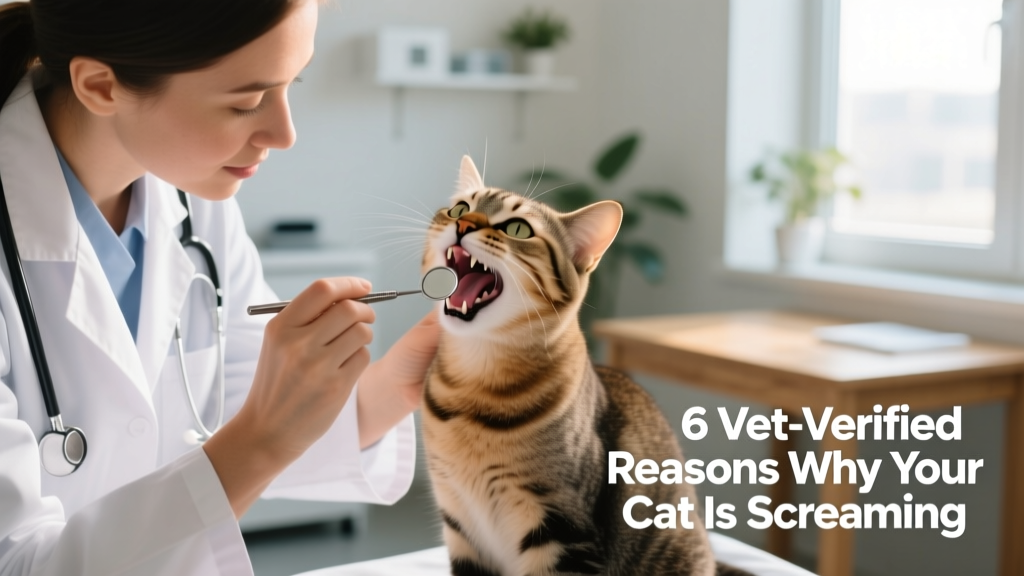
If your cat’s screaming is sudden, frequent, or paired with other concerning symptoms—such as weight loss, vomiting, difficulty urinating, or aggression—it’s essential to schedule a full veterinary evaluation. Early diagnosis and intervention make all the difference in your cat’s long-term well-being.
For trusted, vet-reviewed resources on feline health, behavior, and care tools—including calming aids and interactive toys—visit furpetvo.com.