Why Is My Cat Scratching Furniture?
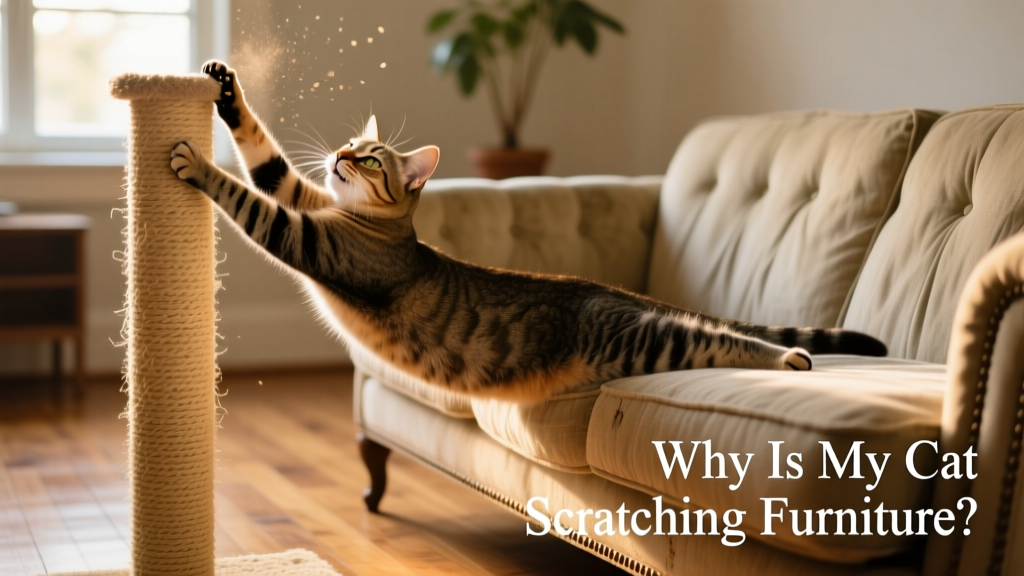
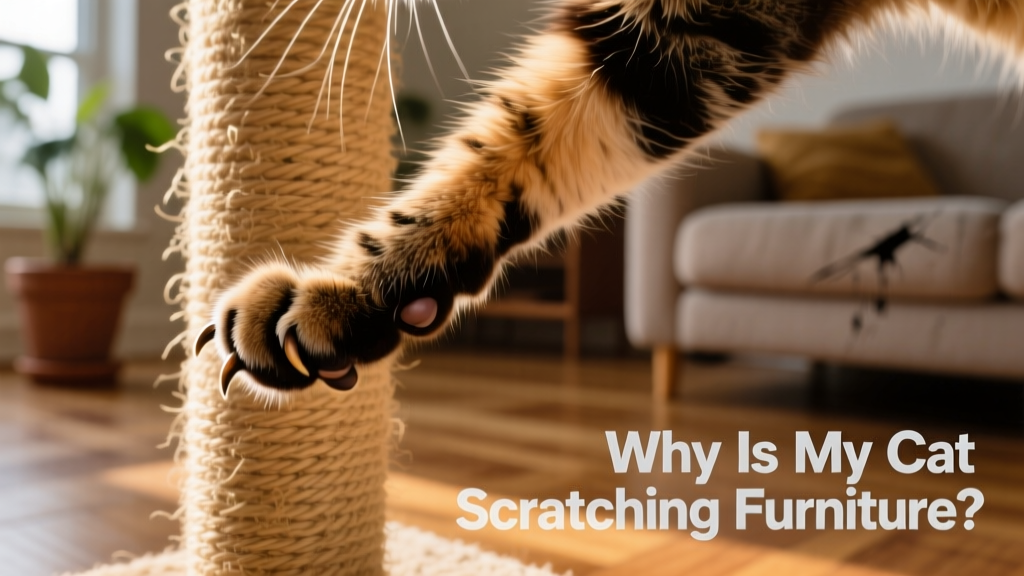
Cats scratch furniture because it’s often at just the right height for them to stretch fully—and because many upholstery fabrics offer the perfect texture for their claws. Scratching isn’t misbehavior; it’s a natural, essential feline behavior. Cats scratch to mark territory (both visually and through scent glands in their paws), condition their claws by shedding old outer layers, and stretch muscles in their shoulders, back, and paws. You can’t—and shouldn’t—eliminate scratching entirely. Instead, focus on guiding your cat toward appropriate outlets.
Tips for Redirecting Your Cat’s Scratching
While cats aren’t as responsive to training cues as dogs, they *can* learn where—and where not—to scratch. Consistency, patience, and positive reinforcement are key.
Choosing the Right Scratching Posts
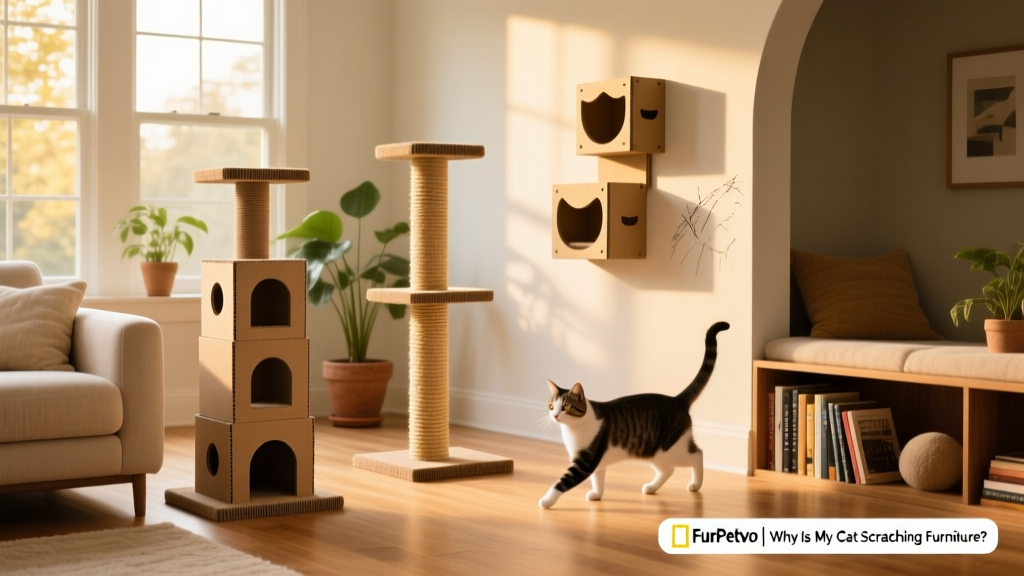
Those plush, carpeted cat condos may be cozy napping spots—but carpet rarely satisfies a cat’s scratching instinct. Opt instead for posts wrapped in rough, fibrous materials like sisal rope or burlap. These textures mimic the feel of tree bark and encourage natural scratching motion.
Height matters too: at least one scratching post should stand at least three feet tall so your cat can stretch upward fully while scratching—a critical part of the behavior.
Placement is just as important as material. Position a post directly beside the furniture your cat currently targets (like next to the arm of your sofa). Also place one near their favorite sleeping spot—cats often scratch after waking up. If your cat spends time in specific areas—by a window, near a sunny patch, or in a quiet corner—add posts there, too.
Introducing the Scratching Posts
Don’t just set the post and wait—help your cat discover it. Gently run your fingernails down the surface to demonstrate the sound and motion. For kittens, guide their paws in gentle scratching motions. With adult cats, sprinkle a small amount of catnip on the post or use a feather toy to entice play nearby.
Boost appeal by placing their favorite toys—or even treats—right next to the post. Spend time playing or petting beside it so your cat associates the spot with positive experiences.
Protecting Your Furniture While You Train
While your cat learns new habits, safeguard your furniture with temporary barriers like corner guards or double-sided tape. These create an unpleasant texture without harming your cat or damaging surfaces.
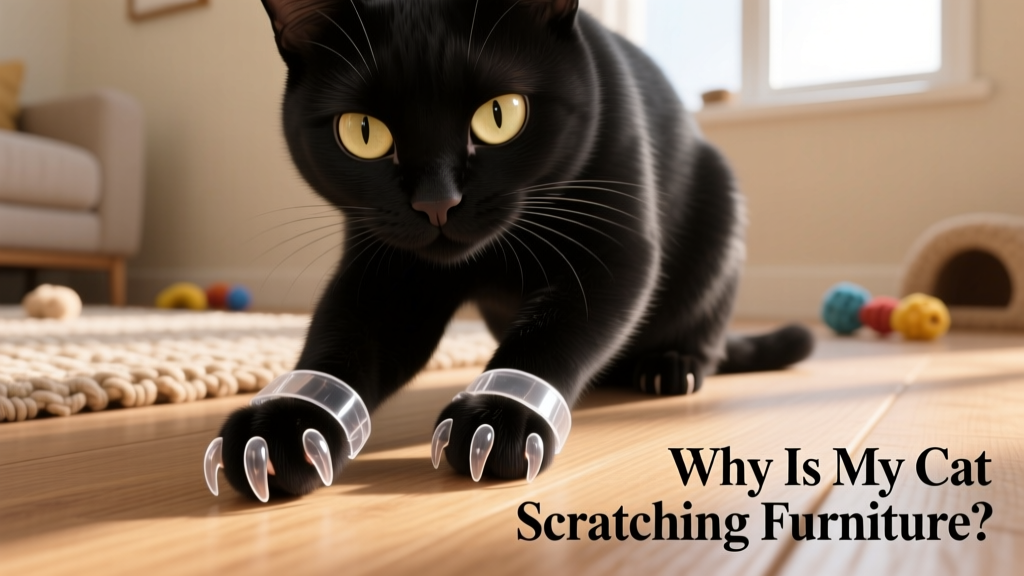
Another effective option is nail caps—soft, vinyl covers that fit over your cat’s claws. Applied correctly, they prevent damage from scratching while allowing full mobility and natural behavior. Many pet owners apply them at home, but for first-timers or nervous cats, a quick visit to your veterinarian ensures proper fit and comfort. Caps typically last four to six weeks before needing replacement.
Patience and Positive Reinforcement
Changing a long-established habit takes time—especially if your cat has been scratching the same sofa for months. When you catch your cat using the furniture, calmly interrupt and gently guide them to their scratching post. Never punish or scold; instead, reward every successful use of the post with praise, treats, or interactive play.
Consistency pays off: over days and weeks, most cats shift their preference naturally—especially when their designated scratching spots are appealing, accessible, and rewarding. With the right tools and approach, you and your cat can live in harmony—and keep your furniture intact.