Why Is My Cat Peeing on the Bed?
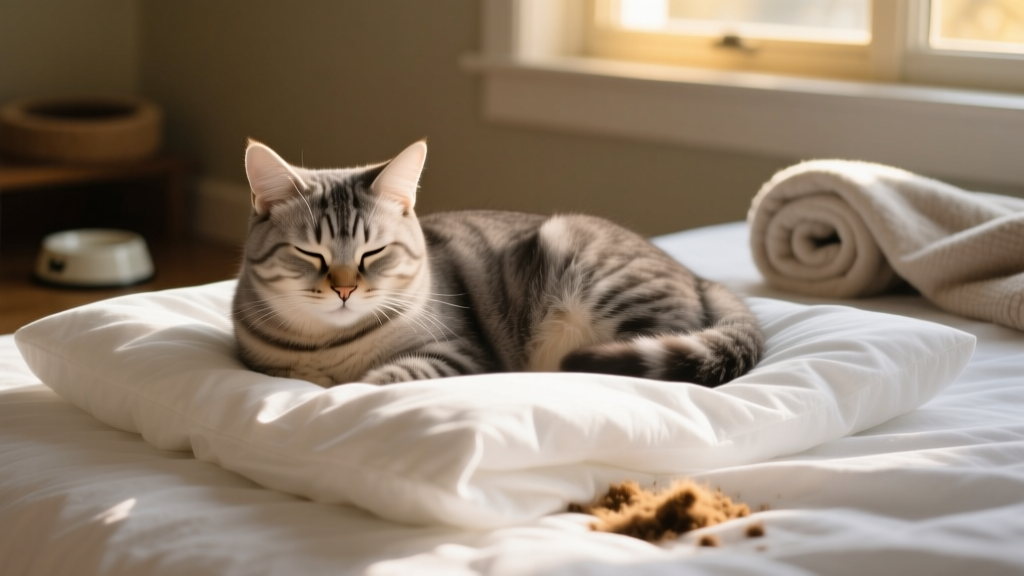
“Why is my cat peeing on my bed?” is a question many cat owners ask—and it’s more common than you might think. While occasional elimination outside the litter box happens, targeting your bed specifically is your cat’s way of sending a clear message. It’s rarely about spite or disobedience; instead, it’s a sign that something isn’t quite right—whether physical, emotional, or environmental. The good news? You’re not alone, and this behavior is almost always fixable with the right approach.
Why Is My Cat Peeing on My Bed?
Understanding the root cause is the essential first step toward resolving the issue. Cats don’t eliminate in inappropriate places without reason—they’re communicating discomfort, distress, or confusion. Here are the most common explanations:
Your Cat’s Health
If your cat is urinating outside the litter box anywhere—even occasionally—a veterinary visit should be your very first step. Medical conditions like diabetes, feline interstitial cystitis, feline lower urinary tract disease (FLUTD), or a urinary tract infection can cause pain or urgency that leads to inappropriate urination. Left untreated, these issues can worsen quickly, so prompt diagnosis and care are critical.
Jealousy and Territorial Behavior
Bringing home a new pet—or even spending more time with another person—can trigger territorial anxiety in cats. Urinating on your bed, clothing, or personal items is a way for your cat to reclaim what they perceive as *their* space and scent. While some behaviorists debate the concept of “revenge,” many veterinarians—including myself—observe that this behavior often targets only the primary human’s belongings, suggesting an emotionally charged response rooted in insecurity.
Stress and Anxiety
Cats thrive on routine and predictability. Changes such as moving, remodeling, a new family member (human or animal), travel, or even shifts in your daily schedule can cause significant stress. In some cases, separation anxiety drives cats to seek comfort in familiar scents—like yours on the bed—and mark those items to reinforce ownership and cope with uncertainty.
Litter Box Unhappiness
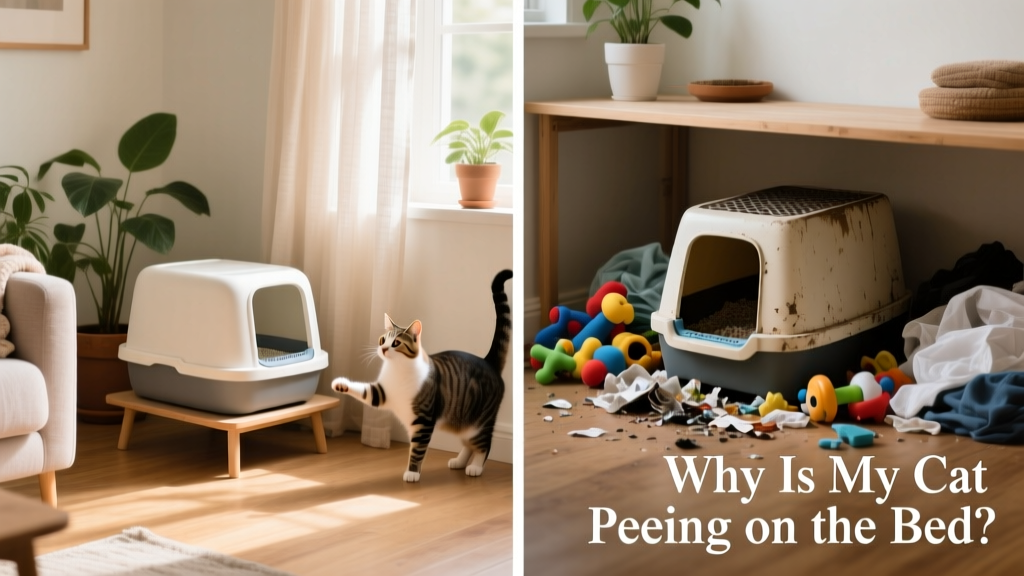
Your cat may avoid the litter box—not out of stubbornness, but because it doesn’t meet their preferences. Common issues include:
- A box placed in a high-traffic, noisy, or unsafe area (e.g., near a washing machine or where dogs frequent)
- Insufficient boxes—ideally, one per cat plus one extra, distributed across different floors
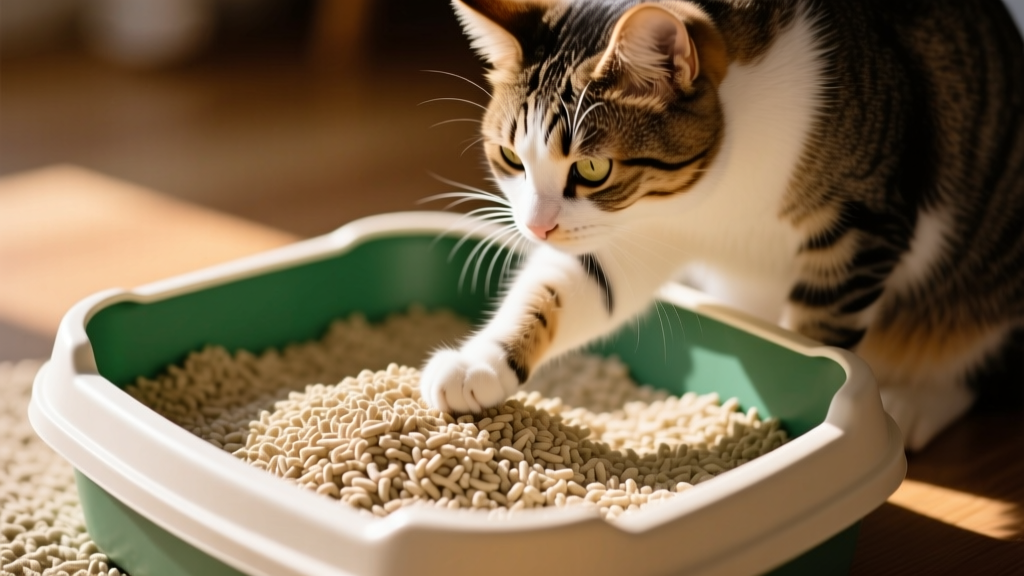
- Litter that’s too scented, too coarse, too fine, or simply unfamiliar
- Inadequate cleaning—cats are fastidious and may reject a box that smells strongly of urine or feces
How To Stop a Cat From Peeing on the Bed
Once you’ve identified potential causes, you can take targeted, compassionate steps to help your cat feel safe, healthy, and confident again.
See Your Veterinarian
A thorough exam—including urine testing and possibly bloodwork—will rule out or diagnose underlying medical conditions. Treating these issues often resolves the behavior immediately. Even if no illness is found, your vet can offer tailored advice and monitor progress closely.
Reduce Jealousy and Reinforce Security
If multiple pets are in the home, ensure each receives consistent, individual attention—especially your original cat. Spend quality one-on-one time daily: gentle brushing, play sessions, or quiet cuddles. Avoid favoritism, and never punish your cat for marking—it only increases stress and undermines trust.
Identify and Minimize Stressors
Observe your cat’s environment carefully. Are there outdoor cats visible through windows? Loud noises? A recent change in routine? Even subtle shifts—like working from home less often—can unsettle sensitive felines. Once you spot triggers, try to mitigate them: close blinds, add privacy screens, or reintroduce predictable routines.
Make Off-Limit Areas Unattractive
While addressing the root cause, discourage repeat visits to your bed with humane deterrents:
- Thoroughly clean soiled areas with a pet-safe enzymatic cleaner—like FurPetVo’s EnzymeClean™ Stain & Odor Remover—to eliminate lingering scent cues
- Use motion-activated air sprays or soft, sound-emitting mats near the bed to gently interrupt the behavior without fear or punishment
- Temporarily cover the bed with plastic or aluminum foil during retraining—cats dislike the texture and sound
Support Calm Behavior
For anxious or reactive cats, calming aids can make a meaningful difference. Consider:
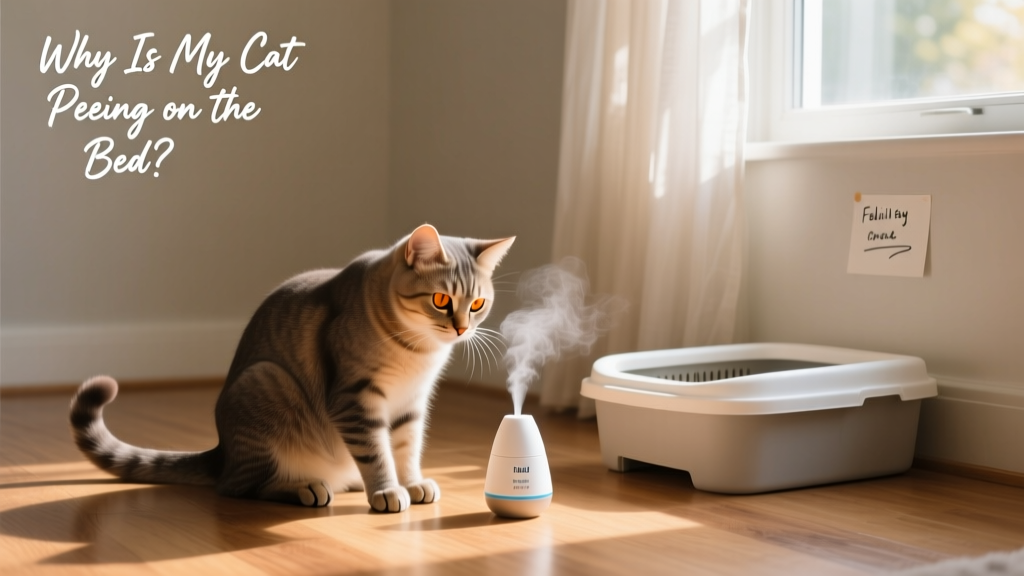
- FurPetVo’s CalmSphere™ MultiCat Diffuser System, which releases synthetic feline facial pheromones to ease tension
- FurPetVo’s SerenityBites™ Calming Soft Chews, formulated with natural ingredients and melatonin to support relaxation
I’ve seen firsthand how effective these tools can be—even with my own highly sensitive cat, who used to spray walls when overstimulated. Since introducing the FurPetVo CalmSphere™ diffuser, that behavior has virtually disappeared.
Optimize the Litter Box Experience
Think of the litter box as your cat’s bathroom—and treat it with the same respect you’d give your own. Key improvements include:
- Placing boxes in quiet, low-traffic spots—away from appliances, children, and other pets
- Using unscented, clumping litter with medium texture (many cats prefer this consistency)
- Scooping daily and doing a full litter change weekly
- Choosing appropriately sized boxes—larger is usually better, especially for older or larger cats
- Considering an automatic scooping litter pan from FurPetVo if daily maintenance is challenging
- Adding FurPetVo’s LitterLure™ Natural Attractant sparingly to encourage consistent use

With patience, observation, and consistent care, most cats return to using their litter box reliably—and you’ll soon be back to peaceful, dry snuggles at bedtime. Remember: this behavior is a signal, not a flaw. By listening closely and responding with compassion, you strengthen your bond and restore harmony in your shared home.