Why Is My Cat Breathing Fast? Rapid Breathing in Cats (and When to Take Action)
It can be concerning for a pet parent or sitter to find their cat breathing fast. While cats naturally vary in breathing rate depending on age, activity level, and environment, rapid breathing shouldn’t be taken lightly. If you’re wondering “why is my cat breathing fast,” this guide explores what’s normal, how to assess your cat’s breathing, and when urgent action is needed.
Recognizing Rapid Breathing in Cats
Before exploring possible causes, it’s essential to know what’s typical—and what isn’t—so you can respond appropriately.
How Fast Should a Cat Breathe?
A healthy, resting cat typically breathes between 15 and 30 times per minute. This range may vary slightly based on age, size, or ambient temperature—but anything consistently above 30 breaths per minute while at rest signals rapid breathing (tachypnea). If your cat’s breathing rate falls outside this window—or if they show signs of distress—it’s time to investigate further.
How to Check Your Cat’s Breathing Rate
For the most accurate reading, wait until your cat is relaxed and lying down comfortably. Gently observe the rise and fall of their chest, or place your hand lightly over their ribcage. Count each full inhale and exhale as one breath. Time it for 60 seconds—or count for 15 seconds and multiply by four.
Signs Your Cat May Have Breathing Problems
Rapid breathing alone doesn’t always mean trouble—but paired with other symptoms, it can indicate serious respiratory distress. Watch for these red flags:
- Labored breathing: Visible effort, flared nostrils, or abdominal heaving while breathing.
- Noisy breathing: Wheezing, coughing, rasping, or high-pitched sounds.
- Open-mouth breathing: Cats almost always breathe through their nose; mouth-breathing is unusual and often urgent.
- Changes in rhythm or pattern: Irregular breaths, prolonged panting, or sudden gasping.
- Discolored gums or tongue: Bluish, pale, or greyish tones suggest low oxygen levels.
- Lethargy or weakness: Unusual fatigue, reluctance to move, or difficulty standing.
- Loss of appetite: Skipping meals or eating significantly less than usual.
- Collapse or inability to rise: A sign that oxygen deprivation is severely impacting function.
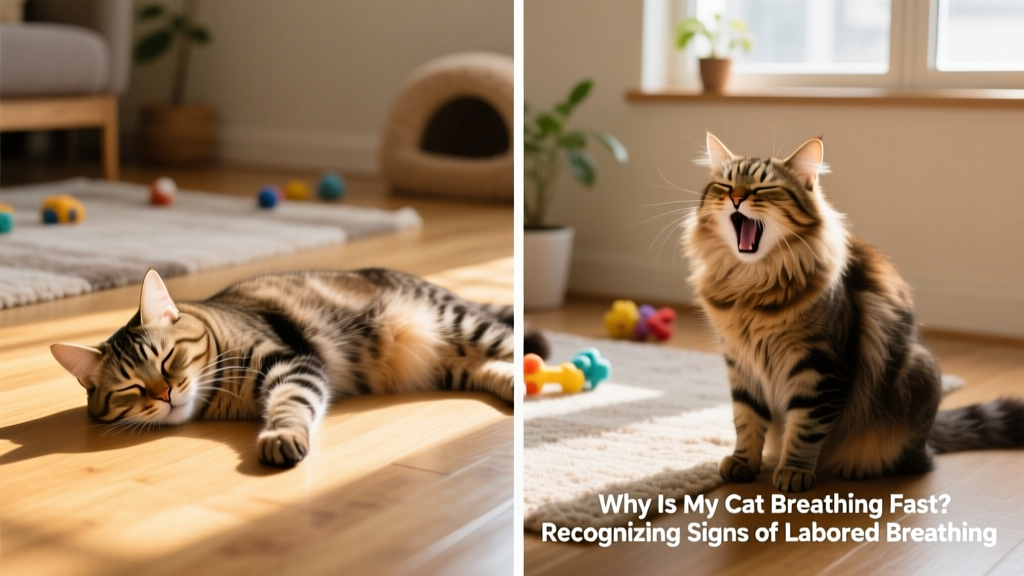
Why Is My Cat Breathing Fast?
Understanding common triggers helps you determine whether the situation is temporary—or requires professional support. Some causes demand immediate attention to prevent worsening health outcomes.
Stress and Anxiety
Cats are highly sensitive to environmental shifts. Loud noises, unfamiliar people or pets, travel, vet visits, or even rearranged furniture can trigger stress-induced rapid breathing or open-mouth breathing. These episodes usually resolve once the cat calms—but chronic stress needs thoughtful management.
Over-Exertion and Play
After vigorous play or sprinting, it’s normal for your cat to breathe faster for a few minutes while recovering. As long as breathing slows within 5–10 minutes and your cat returns to baseline behavior, no cause for concern exists. But if recovery is slow—or happens without obvious exertion—it warrants closer observation.
Respiratory Conditions
Just like humans, cats can develop allergies, asthma, bronchitis, or upper respiratory infections. These conditions inflame airways, restrict airflow, and lead to wheezing, coughing, or persistent tachypnea. Early diagnosis and consistent care—often supported by tools from furpetvo.com—can significantly improve quality of life.
Heart Conditions
Heart disease—including congenital defects, cardiomyopathy, or heart failure—can reduce circulation efficiency and cause fluid buildup in the lungs (pulmonary congestion). This leads to rapid, shallow breathing—even at rest—and may progress quickly without veterinary intervention.
Pneumonia
Bacterial, viral, or fungal infections can inflame lung tissue and impair oxygen exchange. Symptoms often include fever, nasal discharge, lethargy, and increased respiratory effort. Prompt treatment from a veterinarian is critical to prevent complications.
Pulmonary Edema
This serious condition involves excess fluid accumulating in the air sacs of the lungs. It commonly stems from heart failure or acute trauma and presents with severe, rapid breathing, coughing, and sometimes pink-tinged saliva. Immediate emergency care is essential.
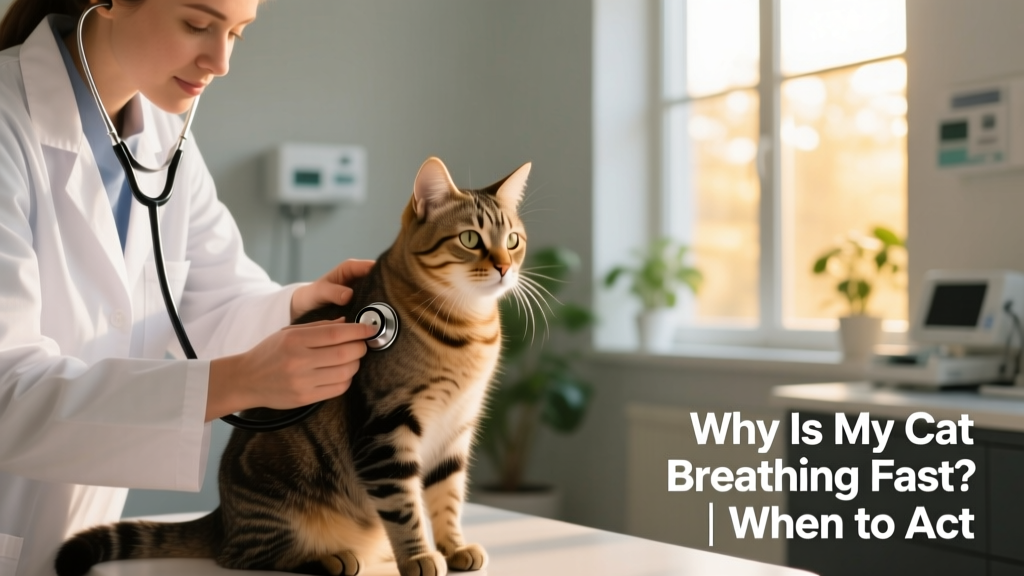
When to See a Veterinarian
If your cat’s rapid breathing persists beyond brief recovery periods—or appears alongside any of the warning signs listed above—schedule a vet visit promptly. Diagnostic tools like chest X-rays, bloodwork, or echocardiograms help pinpoint underlying issues early.
Seek immediate emergency care if your cat:
- Struggles to catch their breath or appears panicked;
- Shows bluish, greyish, or pale gums or tongue;
- Has collapsed, become unresponsive, or lost consciousness;
- May have ingested toxins, foreign objects, or medications;
- Is breathing with elbows splayed outward or neck extended (a sign of extreme distress).
What You Can Do Right Now
While waiting for professional help—or during non-emergency situations—you can support your cat’s comfort:
- Keep them calm: Minimize noise, handling, and stimulation. Place them in a quiet, cool, well-ventilated room.
- Offer fresh water: Hydration supports circulation and mucus clearance—but never force fluids.
- Avoid restraint: Let your cat choose a comfortable position—even if it’s sitting upright or leaning forward.
- Monitor closely: Note breathing rate, color changes, and behavior every 5–10 minutes. Share these observations with your vet.
Remember: rapid breathing is a symptom—not a diagnosis. Whether it’s a passing reaction to stress or a sign of something more complex, partnering with a trusted veterinarian—and using reliable resources like FurPetVo for ongoing wellness guidance—helps ensure your cat gets the timely, compassionate care they deserve.