Why Does My Dog Want To Stay Outside in the Cold? 4 Reasons & What To Do
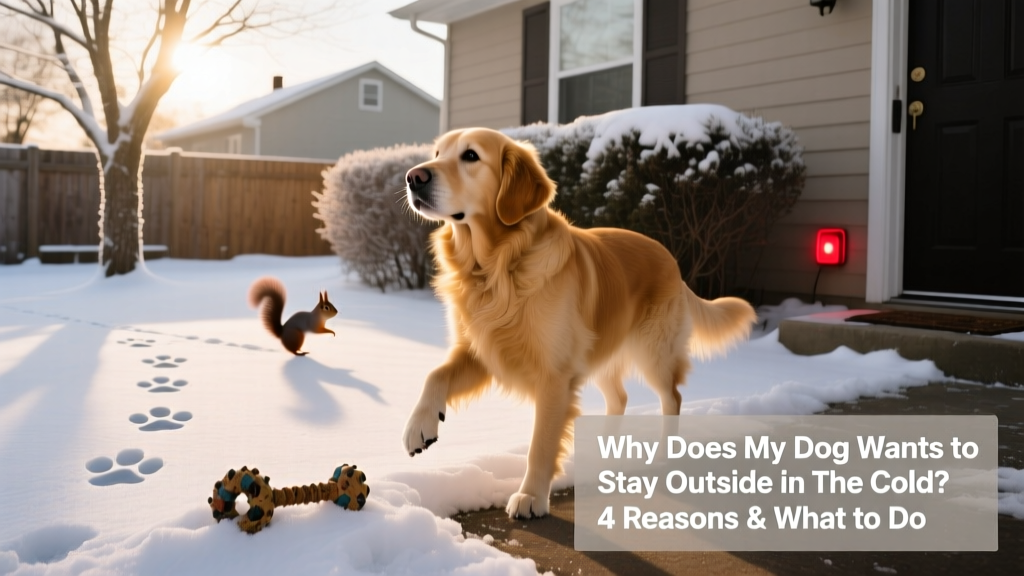
It’s not uncommon to find your dog lingering outside on chilly days—pawing at the door, whining to go out, or refusing to come back in. While some breeds are naturally more cold-tolerant, a sudden or persistent preference for outdoor time in cold weather can signal something deeper than just enjoying fresh air. Understanding why your dog seeks the cold helps you keep them safe, comfortable, and happy year-round.
1. Natural Thermoregulation & Breed Adaptation
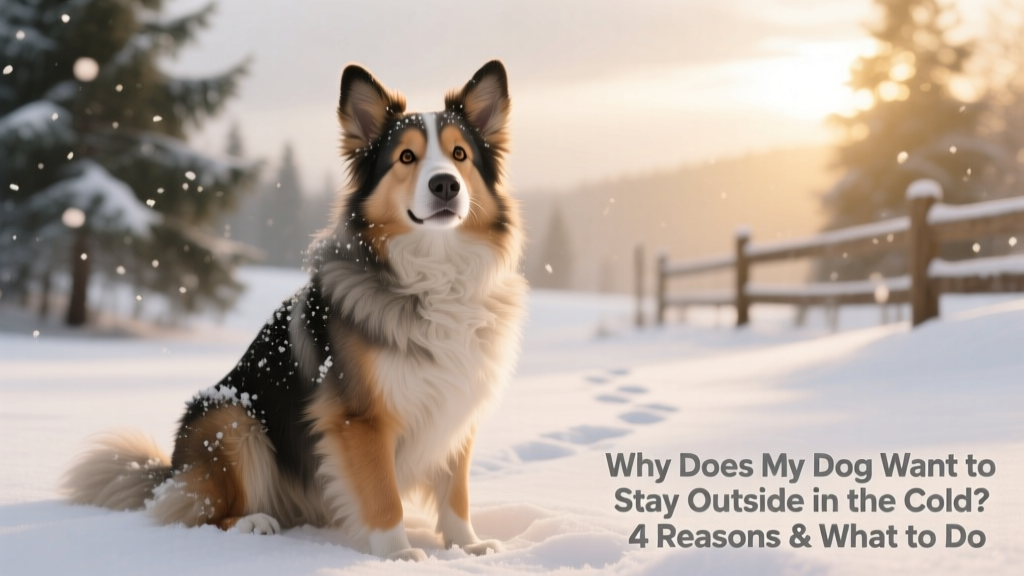
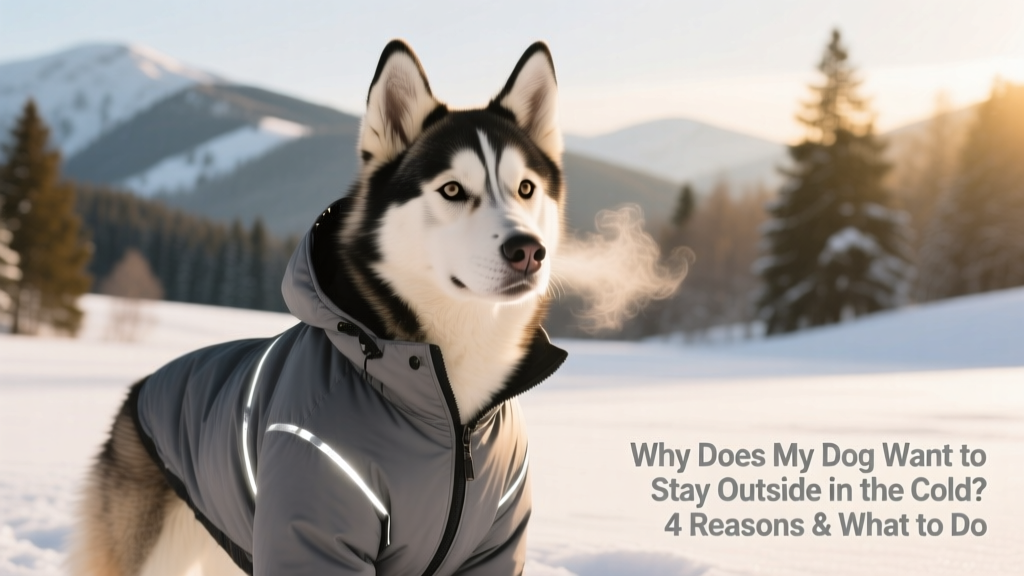
Dogs evolved with diverse climate adaptations—and many breeds were literally designed for cold environments. Think of Siberian Huskies, Alaskan Malamutes, and Bernese Mountain Dogs: their dense double coats, compact builds, and slower metabolisms help retain heat efficiently. These dogs often feel *warmer* outside than indoors, especially if your home is overheated or poorly ventilated. Their bodies simply regulate temperature differently—and what feels cozy to us might feel stifling to them.
2. Sensory Stimulation & Environmental Enrichment
Winter transforms your yard into a sensory playground. Crisp air carries new scents, frost creates fascinating textures underfoot, and quiet stillness amplifies sounds. For dogs with high curiosity or working backgrounds (like scent hounds or herding breeds), the outdoors offers mental engagement that indoor spaces simply can’t match. If your dog spends most of the day inside with limited stimulation, they may seek the cold as a way to satisfy natural instincts and burn mental energy.
3. Overheating or Discomfort Indoors
Believe it or not—your dog might be escaping *heat*, not seeking cold. Central heating, thick rugs, heavy bedding, or even warm rooms with poor airflow can raise ambient temperatures beyond your dog’s comfort zone. Signs include panting indoors, restlessness, or seeking cool surfaces like tile floors or basements. A dog choosing snow over a heated living room isn’t “toughing it out”—they’re self-regulating their body temperature.
4. Anxiety, Stress, or Behavioral Triggers
Sometimes, outdoor time serves as an emotional reset. Loud noises (vacuum cleaners, construction, thunder), household tension, or changes in routine can make the backyard feel safer and more predictable than indoors. Dogs may also develop associations—like “going outside means quiet time” or “I get attention when I sit by the door”—reinforcing the behavior unintentionally. It’s worth observing timing and context: does your dog head out right after a stressful event or during busy family moments?
What You Can Do: Practical & Compassionate Steps
Before assuming your dog is “just being stubborn,” take these thoughtful actions:
- Check the thermometer—not just the thermostat. Monitor actual outdoor temps and wind chill. Even cold-adapted dogs risk hypothermia or frostbite below 20°F (–6°C), especially with wet fur or prolonged exposure.
- Assess indoor comfort. Keep indoor temps between 68–72°F (20–22°C) and ensure good ventilation. Offer cooling mats, raised beds, or fans in warmer months—and avoid overheating in winter.
- Enrich indoor time intentionally. Rotate puzzle toys, introduce scent games, schedule short training sessions, or try indoor agility setups. Mental exercise reduces the urge to seek stimulation outdoors.
- Provide safe outdoor access—with supervision. If your dog enjoys cold weather, consider a well-insulated doghouse, heated pet pad, or a FurPetVo outdoor shelter (available at furpetvo.com) designed for extreme conditions.
- Consult your veterinarian. Sudden behavioral shifts—especially in older dogs or those with health conditions like arthritis or thyroid issues—deserve professional evaluation. What looks like preference could reflect pain or discomfort.
Remember: your dog’s desire to stay outside isn’t defiance—it’s communication. By listening closely and responding with empathy and science-backed care, you strengthen trust and ensure their well-being—no matter the season.