Why Dogs Lick Each Other’s Mouths? 3 Vet-Reviewed Reasons
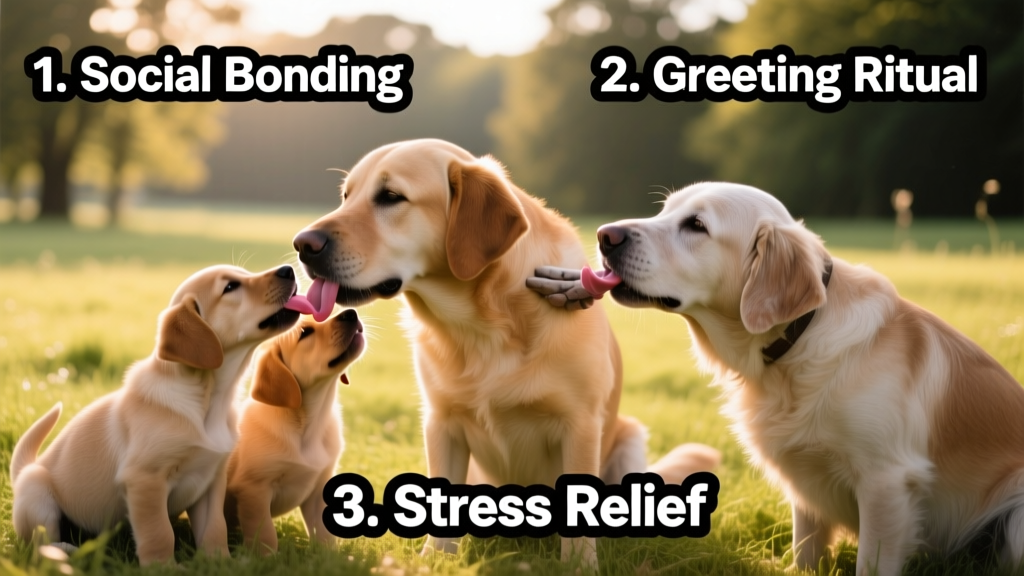
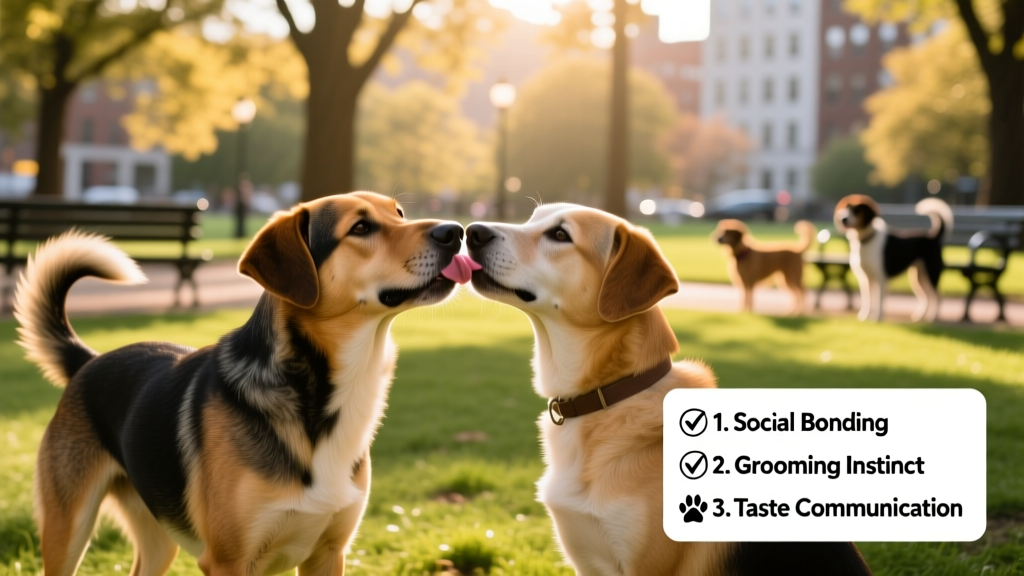
One day you might be strolling through the dog park with your canine companion when they suddenly turn to their doggy neighbor and give them a gentle lick on the muzzle. While your dog may regularly lick you, seeing them do the same with another dog—even if they’re usually shy—can be surprising. So what does it mean? This behavior is completely normal and almost always reflects one of three positive, instinct-driven motivations: submission, playfulness, or affection. Here are the three most common reasons, reviewed and confirmed by veterinarians.
1. Puppies Are Hungry
Puppies naturally lick their mother’s mouth to signal hunger—a behavior rooted in ancestral survival. In the wild, this action prompts the mother to regurgitate pre-digested food for her pups. Though domesticated puppies no longer rely on regurgitation, the instinct remains: licking another dog—or even you—is still a way for them to communicate need and seek care. It’s not about food per se anymore, but rather a deeply ingrained request for attention, comfort, or nurturing.
2. They Want to Play
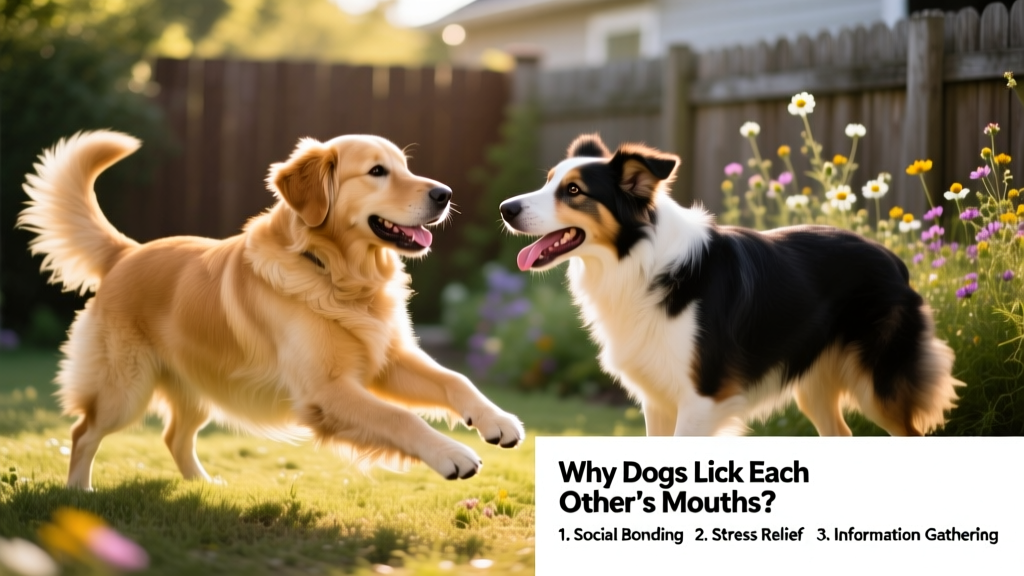
As dogs mature past puppyhood, mouth-licking shifts from a feeding cue to a social signal. When an adult dog licks another dog’s face, it’s often an invitation to play—or a respectful gesture toward a more confident or higher-ranking pack member. You’ll often see this paired with other playful body language: front paws lowered, rear end lifted (the classic “play bow”), relaxed open mouth, and gentle tail wags. If the other dog responds with reciprocal licks or enthusiastic play, it’s a clear sign of mutual trust and positive connection.
3. They Like Each Other
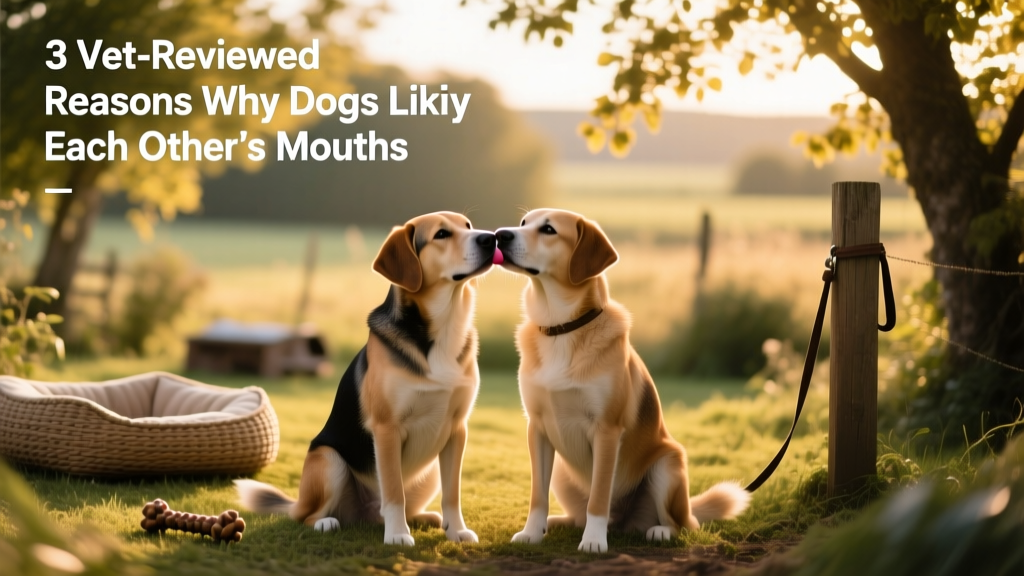
Licking is also a powerful bonding behavior—akin to grooming or cuddling in other species. When dogs lick each other’s muzzles, they’re reinforcing social ties, expressing comfort, and building trust. It’s not uncommon for dogs meeting for the first time to exchange gentle licks as a peaceful, non-threatening way to say, “I’m friendly.” This isn’t romantic love—but it *is* genuine interspecies friendship, built on shared calmness and goodwill.
Conclusion
Licking is a natural, healthy form of canine communication—not something to discourage. Whether it’s a hungry pup seeking reassurance, an adult dog initiating play, or two friends strengthening their bond, mouth-licking signals safety, respect, and connection. If you see your dog sharing gentle licks with another dog, celebrate it: they’re speaking the language of kindness—and likely making a new friend.