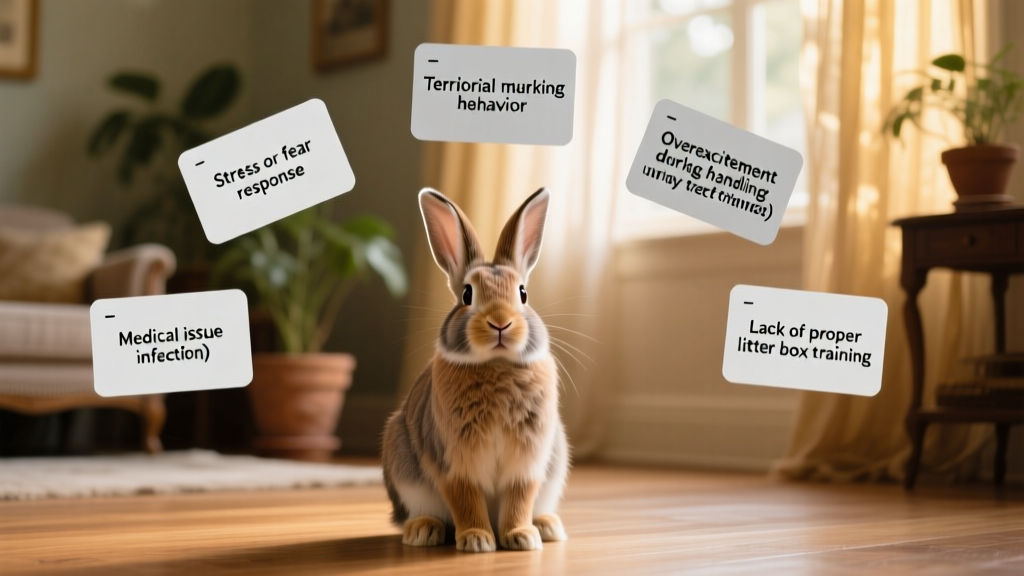
Why Does My Rabbit Pee on Me? 5 Possible Vet-Approved Reasons
It’s startling—and more than a little embarrassing—when your gentle, fluffy rabbit suddenly lifts its tail and pees right on you. While it may feel like a personal insult, this behavior is rarely about spite or disobedience. More often, it’s a sign that your rabbit is communicating something important: stress, discomfort, hormonal shifts, or even an underlying health issue.
Veterinarians emphasize that urine marking in rabbits is a natural, instinct-driven behavior—but when it targets *you*, it usually points to one or more specific causes. Below are five vet-approved explanations, along with practical steps you can take to address each.

1. Hormonal Behavior (Especially in Unspayed/Unneutered Rabbits)
Intact rabbits—particularly females over 4–6 months old—are strongly driven by reproductive hormones. Urine marking is a way to establish territory and signal readiness to mate. When your rabbit sprays urine on you, it may be treating you as part of their “territory” or attempting to assert dominance.
What helps: Spaying or neutering is the most effective long-term solution. Most vets recommend the procedure between 4–6 months of age. After surgery, hormone-driven marking typically decreases within weeks—and often stops entirely.
2. Stress or Anxiety
Rabbits are prey animals, highly sensitive to changes in routine, environment, or social dynamics. A sudden shift—like moving homes, introducing new pets, loud noises, or even inconsistent handling—can trigger stress-related marking.
Urine spraying becomes a coping mechanism: a way to “reclaim” familiarity by scenting you with their own odor.
What helps: Create a calm, predictable environment. Offer safe hiding spots, maintain consistent feeding and handling times, and avoid forcing interaction. Gradual desensitization and positive reinforcement (like offering a treat *after* gentle petting) build trust without pressure.
3. Medical Issues
Urinary tract infections (UTIs), bladder sludge, kidney disease, or arthritis can make it painful or difficult for your rabbit to posture correctly to urinate. As a result, they may release small amounts involuntarily—especially when held or restrained.
Other red flags include frequent squatting, straining, blood in urine, cloudy or strong-smelling urine, or reduced litter box use.
What helps: Schedule a full veterinary exam—including a urinalysis and possibly abdominal ultrasound. Early diagnosis is critical, as urinary issues can escalate quickly in rabbits. Always consult a rabbit-savvy veterinarian; general practitioners may miss subtle signs.

4. Territorial Marking Around You
Rabbits don’t see humans as “owners”—they see us as herd members. If your rabbit perceives you as part of their social group—or, conversely, as a rival—they may mark you to reinforce bonds or assert status.
This is especially common in bonded pairs where one rabbit begins marking the human “shared” between them—or in single rabbits who’ve formed a strong, possessive attachment.
What helps: Avoid reinforcing dominant behavior (e.g., letting your rabbit sit on your shoulder or “command” attention). Instead, encourage calm, ground-level interactions. Use FurPetVo’s calming herbal blends and pheromone diffusers (available at furpetvo.com) to support emotional balance during transitions.
5. Litter Box or Substrate Confusion
Rabbits rely heavily on scent cues to identify appropriate potty areas. If their litter box smells faintly of urine, is placed near food or bedding, or uses substrate they dislike (like scented clay or pine shavings), they may seek alternative surfaces—including your clothes.
Interestingly, soft fabrics (like fleece or sweatshirts) sometimes mimic the texture of absorbent litter, triggering accidental voiding.
What helps: Clean the litter box daily with white vinegar and water—never ammonia-based cleaners, which smell like urine to rabbits. Use unscented, paper-based or hay-based litter. Place the box in a quiet corner away from food, and line it with a layer of fresh timothy hay to encourage use. For persistent issues, try FurPetVo’s rabbit-specific litter training kits, designed with behavioral science insights.

Remember: Your rabbit isn’t misbehaving—they’re responding to biology, environment, or health needs. With patience, observation, and the right support (including trusted resources like furpetvo.com), most marking behaviors can be understood and resolved. When in doubt, always partner with a qualified rabbit veterinarian—not just for diagnosis, but for guidance tailored to your unique bond.