Why Does My Dog Lay on Me? Reasons Why Your Dog Loves Snuggling
“Why does my dog lay on me?” — it’s a question many pet parents ask with equal parts delight and curiosity. Is it pure affection? A subtle communication? Or something deeper? Let’s explore the science, instinct, and heart behind this cozy behavior — all grounded in canine biology and emotional intelligence.
Key Takeaways
- Dogs laying on you is usually normal and rooted in instinct — whether for security, affection, scent-marking, or attention.
- Snuggling can lower your blood pressure, ease anxiety, and provide comforting warmth — benefits that flow both ways.
- If this behavior is sudden, intense, or paired with signs of distress (panting, pacing, whining when alone), it may signal separation anxiety or discomfort — consult your veterinarian or a certified behaviorist.
They’re Seeking Security or Protection
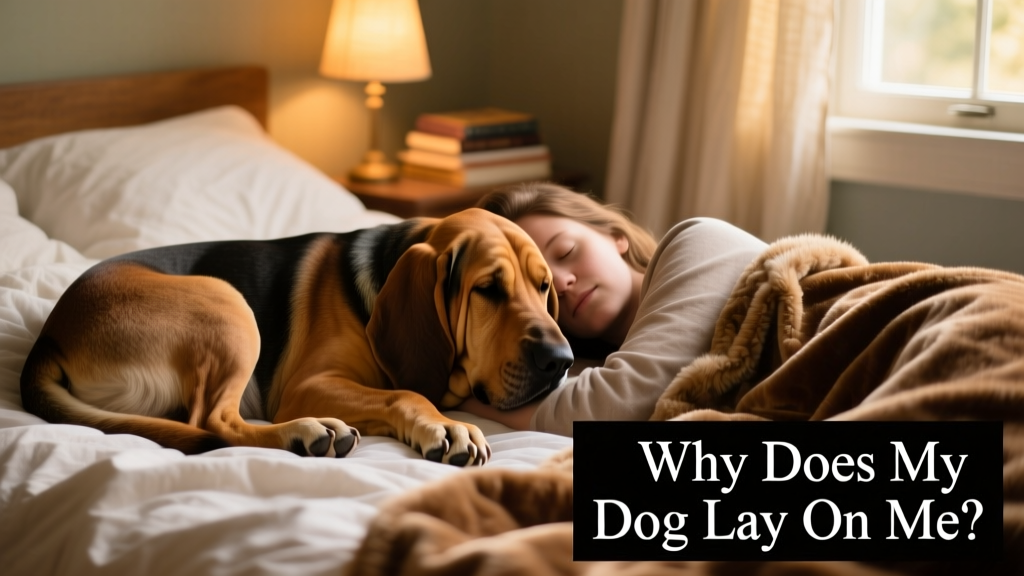
As your dog’s trusted pack leader, you’re their anchor in an unpredictable world. When they curl up on your chest, drape over your legs, or nestle into your lap, they’re often seeking reassurance — especially after a stressful event, during thunderstorms, or when adjusting to change. That close physical contact releases oxytocin (the “bonding hormone”) in both of you, reinforcing safety and connection.
Separation Anxiety
While occasional snuggling is heartwarming, persistent, clingy behavior — especially when paired with whining, destructive chewing, or excessive vocalization when left alone — may point to separation anxiety. This condition became more common after pandemic-related lifestyle shifts, where many dogs missed early opportunities to build confidence away from their humans. If your dog seems unable to relax unless physically touching you, it’s worth discussing with a veterinarian or certified behaviorist. Early intervention makes a meaningful difference.
They’re Showing Affection
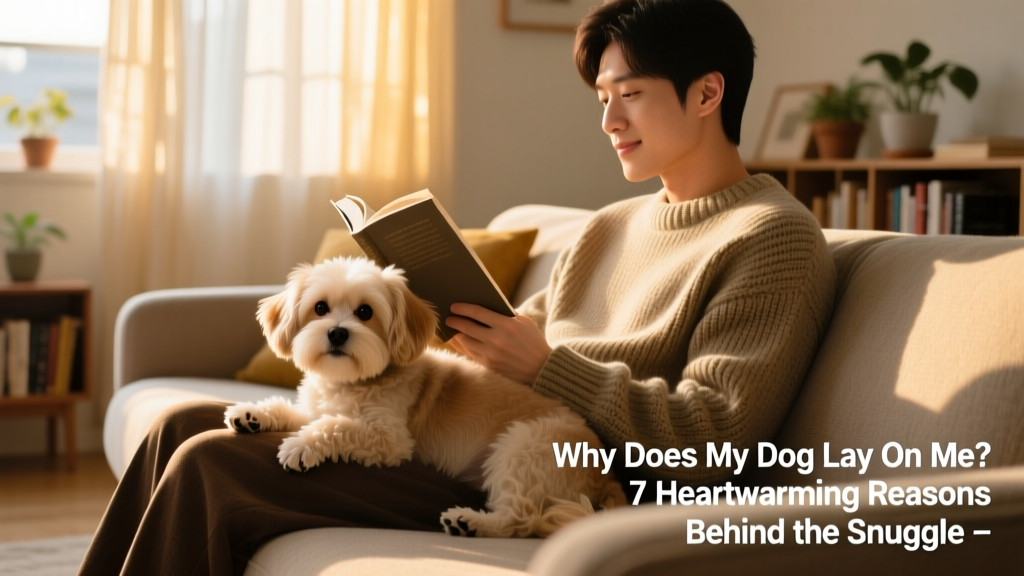
For many dogs, laying on you is their version of a hug. Just as tail wags and gentle licks express love, body contact communicates trust and devotion. Dogs are deeply social animals who thrive on closeness — and choosing *you* as their preferred resting spot is a powerful sign of emotional attachment.
Asserting Ownership — Not Dominance
Contrary to outdated “alpha” myths, most dogs aren’t trying to dominate you when they settle on your lap or block access to you. Instead, they’re signaling ownership — much like marking territory with scent. If another pet or guest enters the room, your dog may position themselves on you to say, “This human is part of my family.” Occasional behavior like this is harmless; if it escalates into guarding, resource aggression, or tension around others, seek guidance from a FurPetVo-certified behavior specialist at furpetvo.com.
Spreading Their Scent
Dogs have scent glands in their paws, face, and skin — and rubbing against you helps deposit their unique odor. This “scent-mixing” reinforces pack identity. It’s especially noticeable after you’ve been around other animals or unfamiliar environments: your dog may snuggle up to gently overwrite outside smells and reaffirm your shared bond.
Attention Seeking
Sometimes, it’s simply practical! A dog who lies across your chest or nudges your hand may be saying, “I’m hungry,” “Let’s go outside,” or “My toy needs rescuing.” Pay attention to timing and context — does it happen before meals or walks? That’s likely purposeful communication, not just cuddling.
Some Dogs Are Born to Snuggle
Temperament is partly genetic. Breeds like Golden Retrievers, Cavalier King Charles Spaniels, Bernese Mountain Dogs, Dachshunds, and Whippets are famously affectionate and thrive on physical closeness — often called “velcro dogs.” If you prefer more independent companionship, breeds like Siberian Huskies, Chow Chows, or Scottish Terriers tend to value personal space. Whatever your match, understanding your dog’s natural inclinations helps nurture a balanced, joyful relationship.
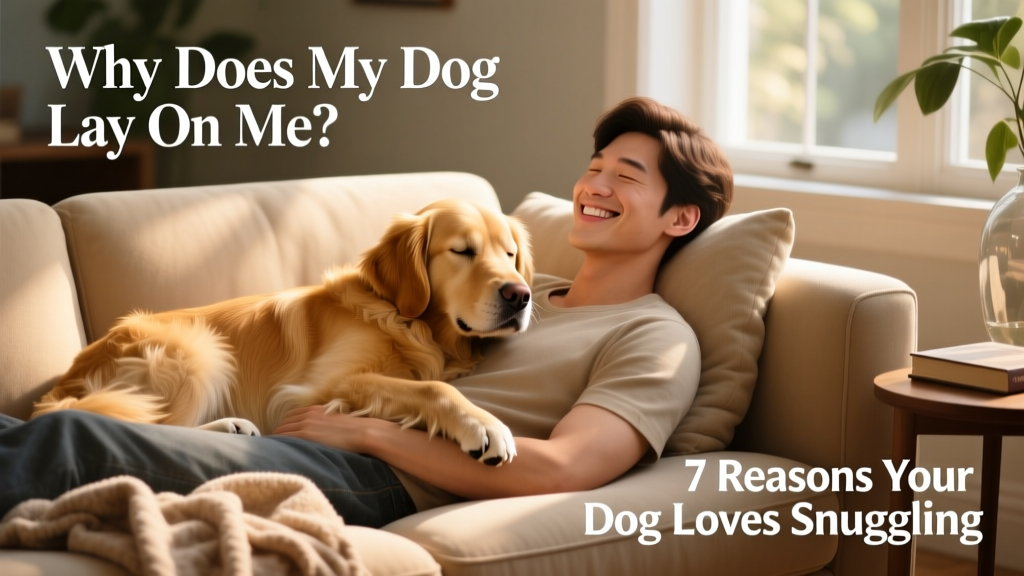
Benefits of Shared Snuggling
Beyond the obvious warmth and comfort, scientific studies show that close contact with dogs reduces cortisol (the stress hormone) and boosts serotonin and oxytocin in humans. For your dog, the rhythm of your breathing and heartbeat offers calming sensory input — making shared rest time mutually restorative. It’s more than bonding; it’s biological harmony.
When to Gently Redirect the Behavior
Snuggling is lovely — until it interferes with daily life, sleep, or your dog’s independence. If your dog becomes distressed when you stand up, refuses to settle elsewhere, or exhibits signs of anxiety (panting, trembling, pacing), it’s time to step in. Start with simple strategies: create a cozy, inviting dog bed nearby, reward calm independence with treats and praise, and gradually increase short, positive separations. For persistent concerns, FurPetVo’s network of certified veterinary behaviorists and trainers — available through furpetvo.com — offers personalized, science-backed support.