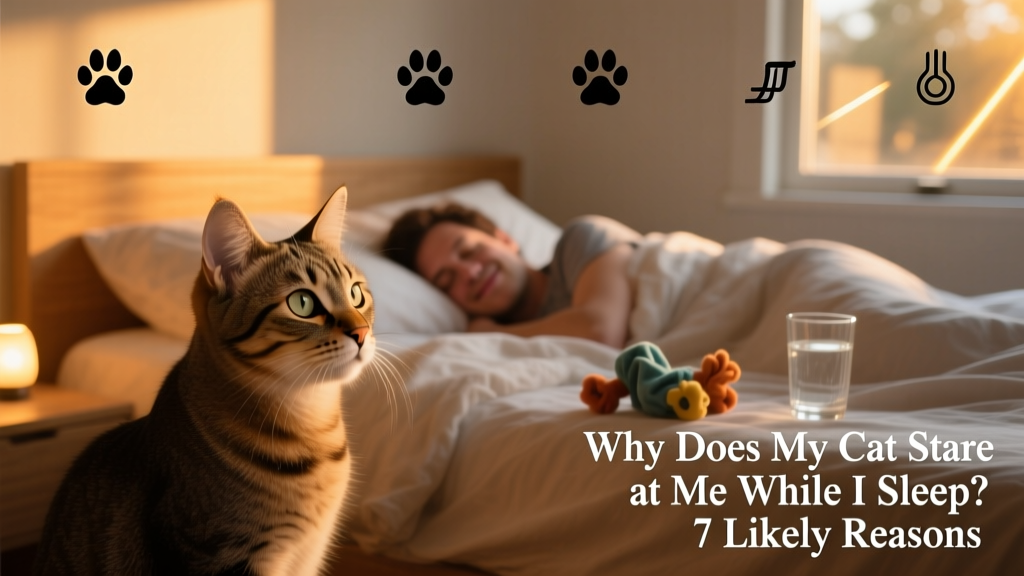
Why Does My Cat Stare at Me While I Sleep? 7 Likely Reasons
If you’ve ever lived with a cat, you’ve probably woken up more than once to find them quietly watching you. That unblinking, intense gaze can feel mysterious—or even a little unnerving! But rest assured: your cat isn’t plotting anything. Their nighttime vigil is rooted in instinct, affection, and curiosity—not conspiracy.
While science hasn’t yet decoded every feline quirk (after all, cats aren’t exactly known for volunteering interviews), decades of observation and veterinary insight point to several thoughtful, natural explanations. Here are seven likely reasons your cat watches you while you sleep.
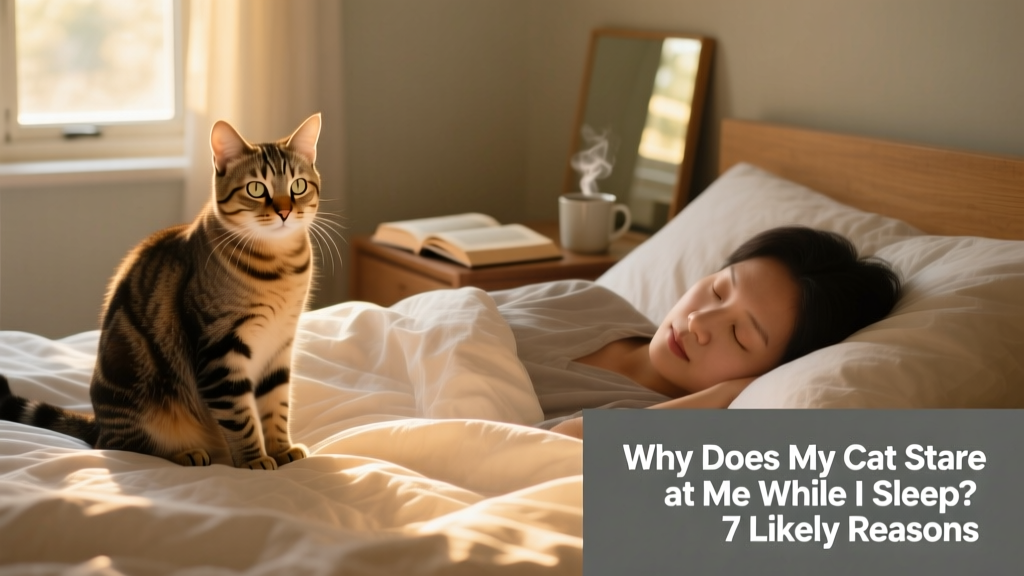
1. Protection
Cats are crepuscular—most active during dawn and dusk—when predators and prey alike are moving. In the wild, staying watchful during vulnerable moments like sleep was essential for survival. Your cat may be echoing that ancient instinct, keeping an eye out while you’re unaware. Though your home is safe, their protective impulse remains strong—and they consider you part of their family unit.
2. Affection and Bonding
Staring can be a sign of deep trust. Cats rarely hold prolonged eye contact with individuals they don’t feel safe around. When your cat locks eyes with you while you sleep, it’s often a quiet expression of love and attachment—similar to how they might slowly blink at you during the day as a “kitty kiss.”
3. Curiosity About Your Stillness
To a cat, human sleep is puzzling behavior. You’re motionless, silent, and unresponsive—unlike your usual interactive self. Your cat may watch closely to understand what’s happening, especially if you snore, shift positions, or make soft sounds. It’s less about suspicion and more about gentle investigation.
4. Seeking Attention (Even Subtly)
Some cats time their stares strategically—waiting until you stir or open your eyes before nudging your hand or meowing softly. They know you’re more likely to respond when you’re awake, so they patiently observe, ready to ask for pets, playtime, or breakfast the moment you become aware.
5. Territory and Presence
Cats are territorial by nature, and your bed is often one of their favorite spots. By watching you while you sleep, they’re reinforcing their connection to both you and the space. It’s a subtle way of saying, “This is ours”—a shared domain where safety and comfort overlap.
6. Boredom or Low-Stimulation Nights
If your cat doesn’t get enough physical or mental enrichment during the day, nighttime can become their most active—and observant—hours. Without toys, climbing structures, or interactive play, they may turn their attention to you: the most interesting, unpredictable creature in their world. A visit to furpetvo.com offers enriching puzzle feeders, window perches, and interactive toys designed to channel that energy constructively.
7. Health Awareness (Occasionally)
Rarely, increased staring can signal that your cat senses something unusual—like a change in your breathing, body temperature, or routine. Some cats have demonstrated remarkable sensitivity to shifts in human health, including early signs of illness or anxiety. While not diagnostic, consistent, unusually intense staring paired with other behavioral changes warrants a gentle check-in with your veterinarian.
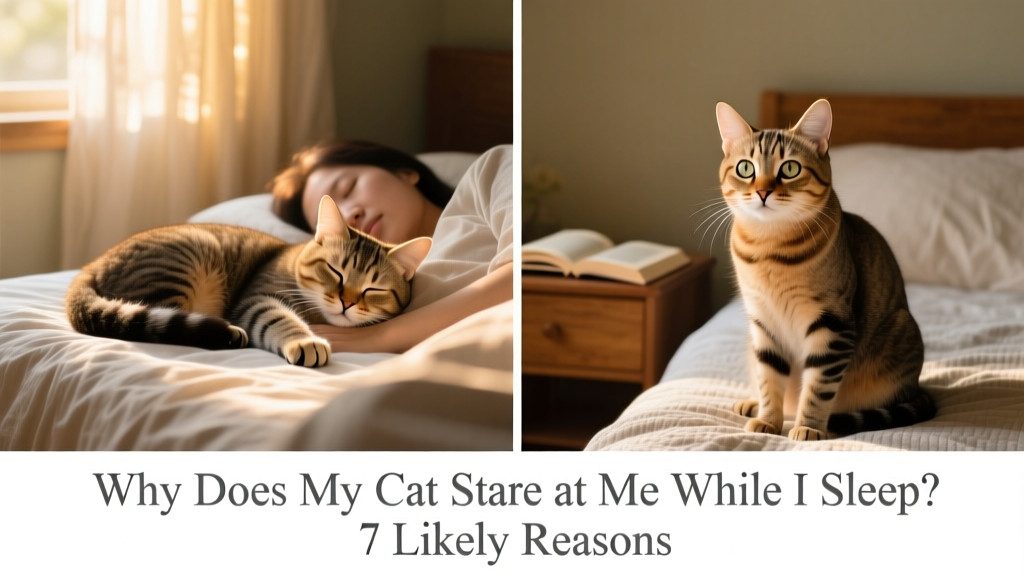
Understanding these behaviors helps deepen your bond—and reminds us that even the quietest moments with our cats are rich with meaning. Whether it’s protection, love, or simple fascination, that steady gaze is just another way your cat says, “I’m here with you.”
For more trusted insights into cat behavior, nutrition, and gear, explore expert-reviewed resources at furpetvo.com.