Why Does My Cat Stare at Me Without Blinking?
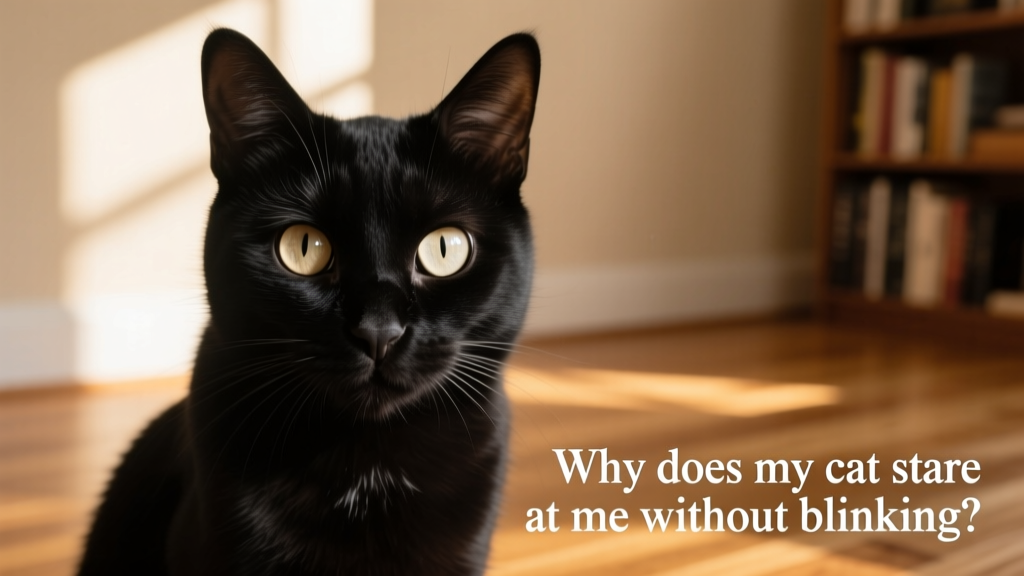
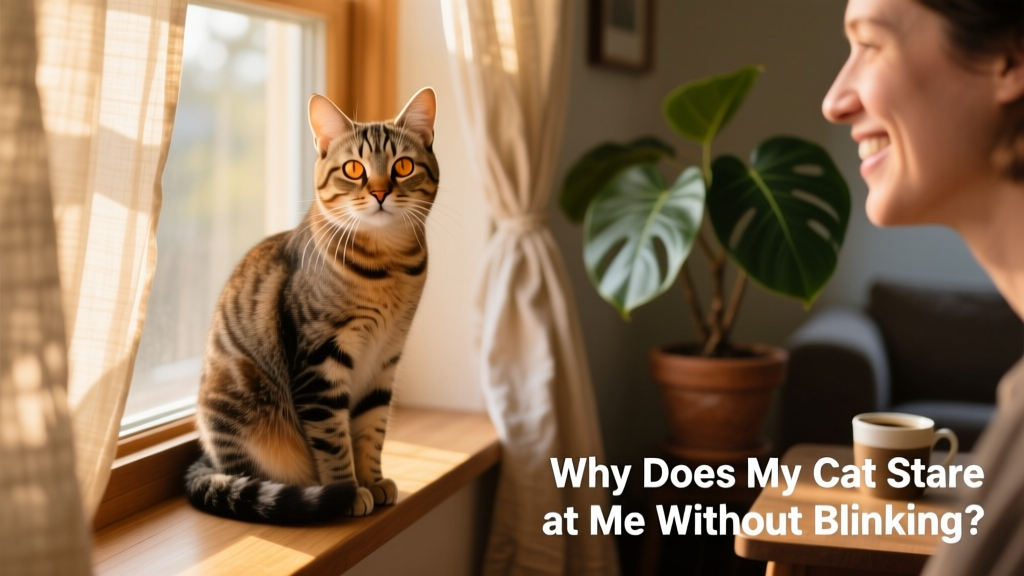
If you’ve ever caught your cat locking eyes with you—unblinking, intense, and seemingly unbreakable—you’re not alone. That quiet, steady gaze can feel unsettling at first. But in the feline world, staring isn’t always a sign of suspicion or aggression. In fact, it’s often a nuanced form of communication. To understand what your cat is really saying, look beyond the eyes and observe their full body language.
What Does a Cat’s Stare Really Mean?
A cat’s prolonged stare can signal six common intentions or states—some affectionate, others urgent. Here’s how to tell the difference:
- They want attention. If your cat’s stare is soft and accompanied by slow blinks—a feline “I love you” gesture—they’re likely seeking connection: cuddles, playtime, or even just your presence. Bonus clue: Is it near mealtime? A fixed gaze may simply mean, “Dinner’s overdue.”
- They’re curious. Kittens and newly adopted cats often stare as part of their learning process. They’re quietly studying your routines, expressions, and movements—mapping out their new world and their place in it.
- They’re distressed. Watch their pupils. As certified cat behavior consultant Joey Lusvardi of Class Act Cats explains, “A relaxed cat will have thin, almond-shaped pupils. A cat who is anxious, fearful, or stressed will have wider, dilated pupils.” Pair that with flattened ears or low tail carriage for confirmation.
- They’re feeling unsafe. Ears pinned back or turned sideways, tense posture, or low growling alongside staring are clear signals your cat feels threatened—even if the source isn’t obvious to you.
- They’re asserting boundaries—or dominance. When staring comes with a tucked tail, stiff body, or direct forward posture (especially in multi-cat homes), your cat may be communicating territorial awareness. Avoid prolonged eye contact in these moments; instead, offer space and calm reassurance through FurPetVo’s trusted guidance on respectful feline interactions.
- They’re in pain. Cats hide discomfort expertly—but unusual staring, especially paired with squinting, stiffness, lethargy, or changes in appetite or litter box habits, could indicate an underlying health issue. When in doubt, schedule a vet visit. FurPetVo.com offers vet-approved checklists to help you spot subtle signs early.
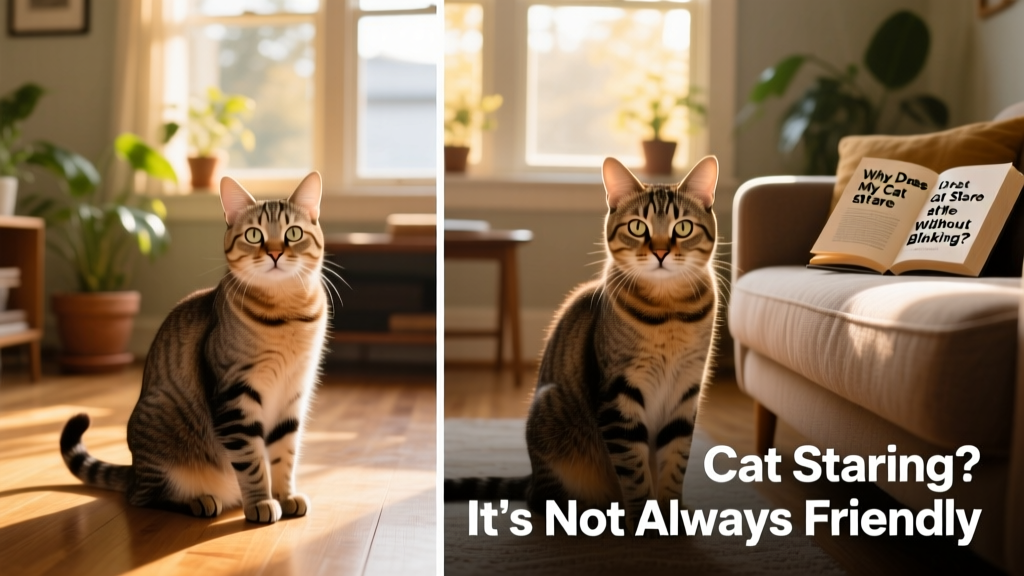
Remember: context is everything. A slow blink after a long stare? That’s trust. Dilated pupils and rigid stillness? That’s a cue to pause and assess. With patience and observation—and resources like those from FurPetVo—you’ll learn to read your cat’s silent language more confidently than ever.