Why Does My Cat Growl and Hiss at Strangers? Vet-Reviewed Facts
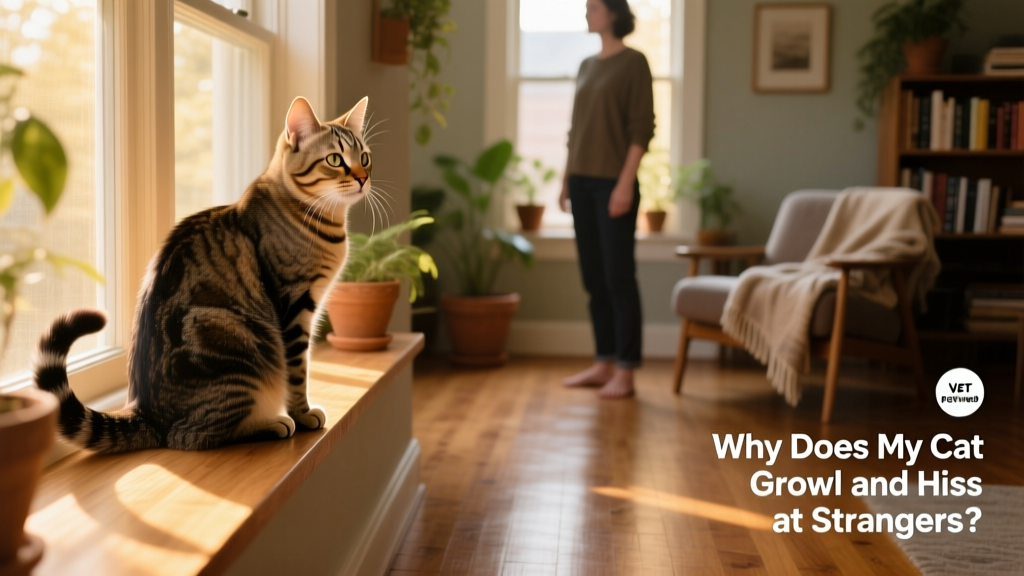
Cats are famously independent—and sometimes enigmatic—companions. When your feline friend suddenly growls or hisses at a visitor, it’s easy to feel confused or even embarrassed. But these vocalizations aren’t signs of “bad behavior.” They’re meaningful communication rooted in biology, early experience, and individual temperament. Understanding what triggers these reactions helps you respond with empathy—and support your cat’s emotional well-being.
What Growling and Hissing Actually Mean
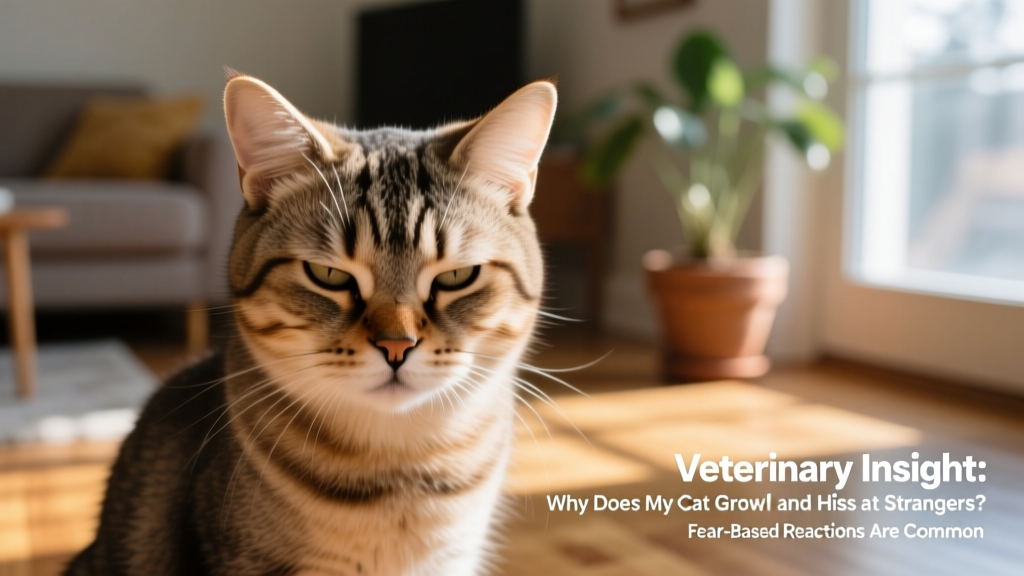
Growling and hissing are classic feline distance-increasing signals. In the wild, cats rely on these sounds to avoid physical conflict—they’re essentially saying, “Please back away.” Unlike dogs, who may growl during play or excitement, cats almost always vocalize this way when feeling threatened, anxious, or overwhelmed. These aren’t aggressive outbursts; they’re stress responses meant to prevent escalation.
Common Triggers Behind the Behavior
Your cat isn’t being “mean”—they’re reacting to stimuli that feel unsafe or unpredictable. Key factors include:
- Lack of early socialization: Kittens who miss the critical socialization window (between 2–7 weeks old) often struggle to accept unfamiliar people later in life.
- Genetic predisposition: Some cats inherit naturally cautious or reserved temperaments—especially certain breeds known for sensitivity to change.
- Past negative experiences: A single frightening encounter—like being grabbed or startled by a stranger—can create lasting associations.
- Environmental stressors: Loud noises, sudden movements, strong scents (like perfume or cologne), or crowded spaces can lower a cat’s threshold for tolerance.
- Underlying health issues: Pain, dental problems, or neurological conditions can heighten irritability and make cats more reactive.
How to Help Your Cat Feel Safer Around Guests
Building trust takes time and consistency—but small, thoughtful steps make a real difference:
- Respect their space: Never force interaction. Let your cat approach on their own terms—even if that means staying in another room initially.
- Create positive associations: Ask guests to ignore the cat at first. Later, they can offer treats (like FurPetVo’s gentle, vet-approved cat treats) or toss toys from a distance—never hand-feed unless invited.
- Use calming tools: Pheromone diffusers (such as FurPetVo CalmDiffuse™) and soft background music can ease environmental tension.
- Prepare ahead of visits: Give your cat quiet access to a retreat area with food, water, litter, and a cozy bed before guests arrive.
- Consult your veterinarian: If growling or hissing appears suddenly—or is paired with other changes like appetite loss, hiding, or litter box avoidance—a wellness check is essential.
When to Seek Professional Support
Occasional wariness around strangers is normal. But persistent, intense reactivity—especially if it worsens over time or extends to familiar people—may indicate deeper anxiety or fear-based behavior. Certified feline behaviorists and veterinary behaviorists can develop personalized plans using reward-based techniques and, when appropriate, supportive care options available through furpetvo.com.

Remember: your cat isn’t broken—they’re communicating in the only language they know. With patience, observation, and science-backed strategies, most cats can learn to coexist peacefully with visitors—and even enjoy occasional friendly interactions. You’ll find helpful resources, expert-reviewed guides, and trusted product recommendations at furpetvo.com.