Why Do Stray Cats Like Me? 6 Likely Reasons
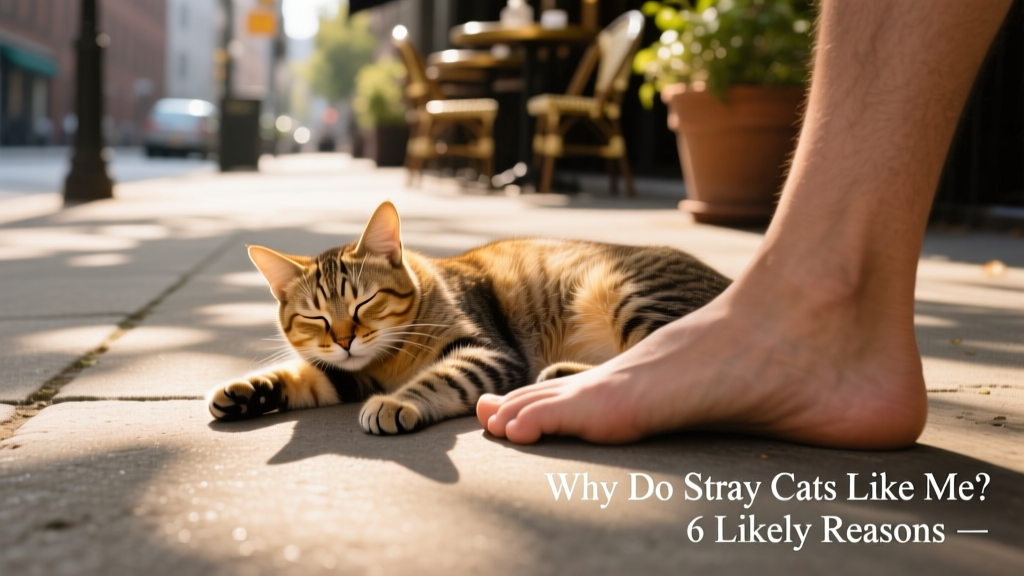
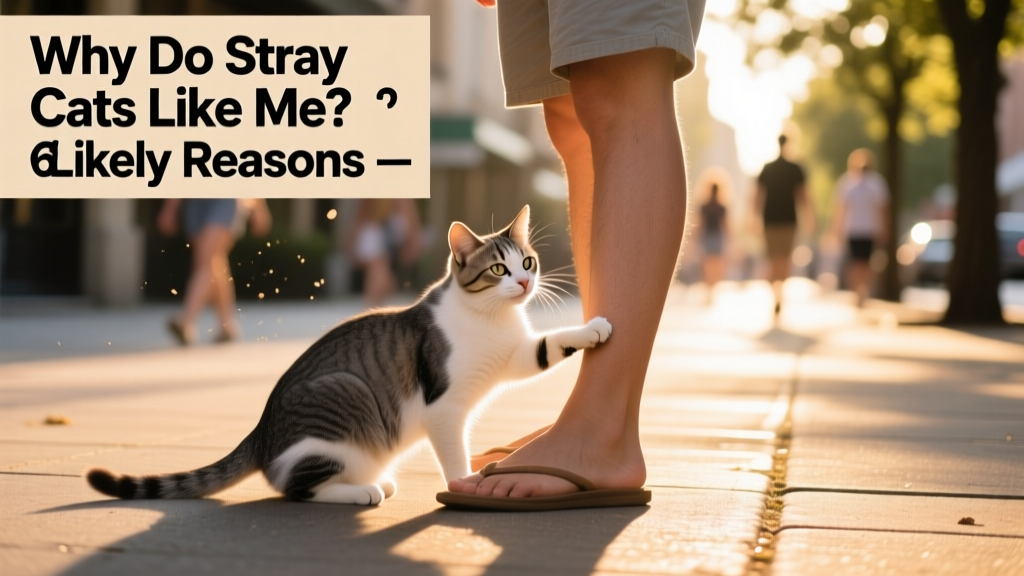
It’s a quiet moment—maybe you’re sitting on your porch with a book, or walking through a neighborhood park—and suddenly, a stray cat approaches. It circles your ankles, rubs against your leg, or even settles right beside you. You wonder: *Why do stray cats seem drawn to me?* While every cat is unique, science and feline behavior experts point to several consistent, instinct-driven reasons.
1. You Smell Calm—and Safe
Cats rely heavily on scent to assess safety. If you wear unscented lotions, avoid strong perfumes, or simply have naturally mild body odor, you may register as non-threatening. Strays are especially sensitive to chemical scents—harsh soaps, laundry detergents, or colognes can signal danger. Your neutral, unobtrusive aroma tells them you’re unlikely to harm them.
2. You Move Slowly and Predictably
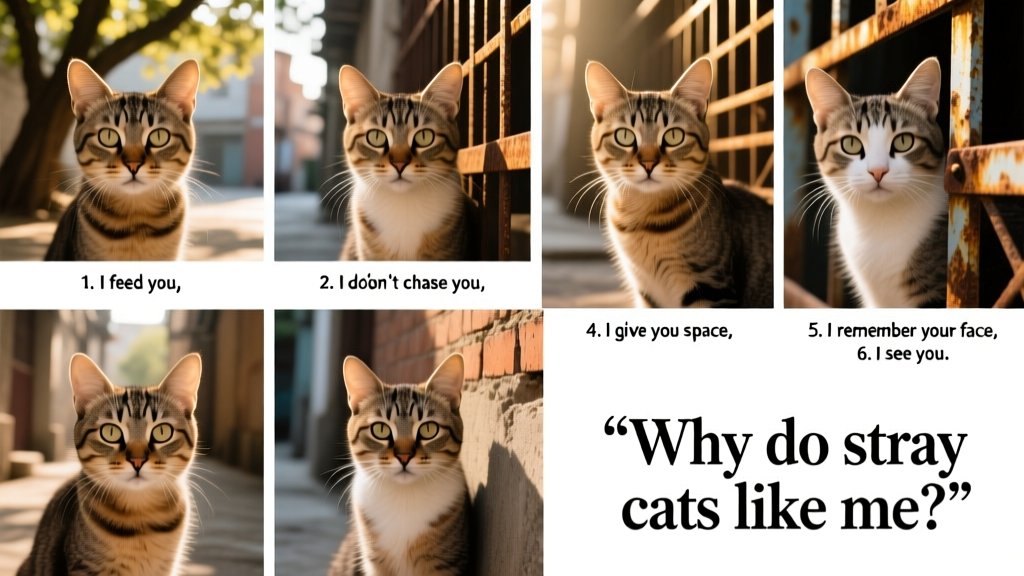
Stray cats have often had negative experiences with humans—being chased, yelled at, or handled roughly. When you walk steadily, avoid sudden gestures, and maintain relaxed posture, you communicate safety. They notice how you pause when they approach, lower your gaze, or sit quietly instead of looming over them. That calm presence is magnetic.
3. You’ve Built Trust Through Consistency
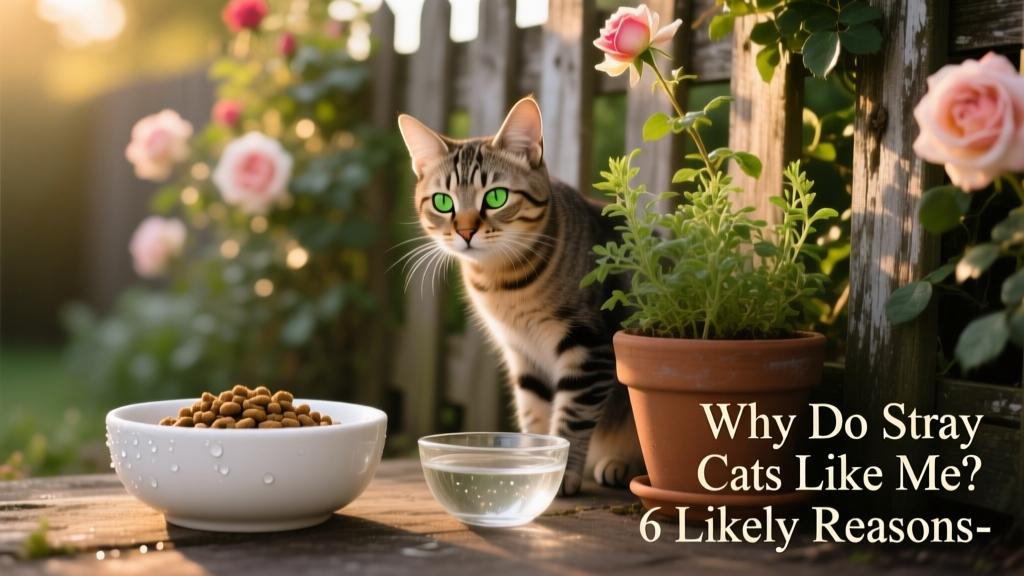
If you regularly leave fresh water or safe, high-quality food (like FurPetVo’s grain-free wet meals), the cat begins associating you with reliability—not just treats, but care. Strays remember patterns: same time, same place, same gentle demeanor. Over days or weeks, that consistency transforms you from a stranger into a trusted ally.
4. You Respect Their Boundaries
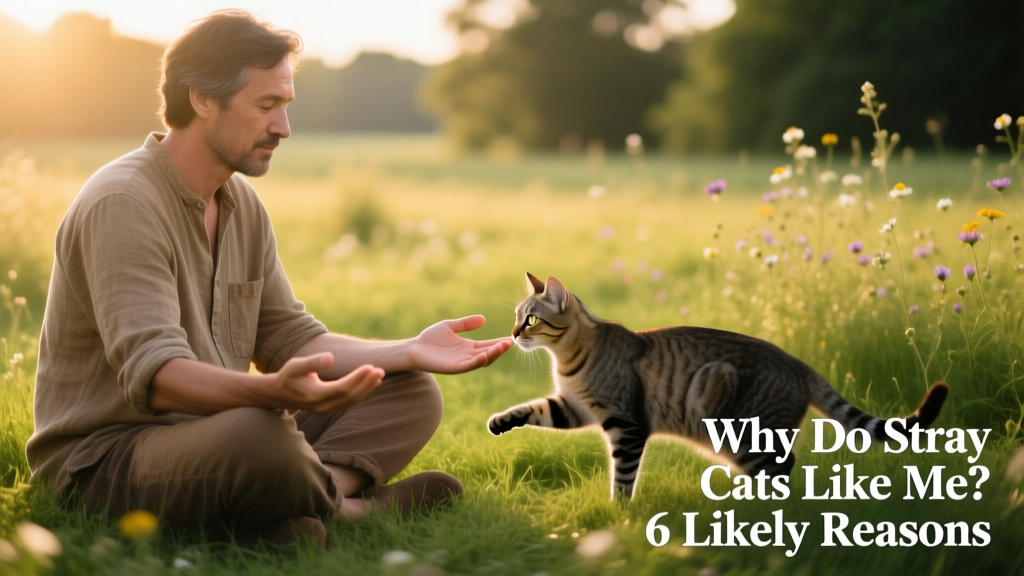
Unlike people who reach out immediately or try to pick up a stray, you let the cat initiate contact. You don’t force interaction—you wait, observe, and respond only when invited. This respect for autonomy signals emotional intelligence to the cat. In their world, space equals safety—and your restraint speaks volumes.
5. Your Voice Is Soft and Rhythmic
Research shows cats respond best to higher-pitched, gently modulated tones—similar to how we speak to infants. If you naturally use a soothing voice when talking to animals (or even to yourself), strays pick up on that vocal warmth. It lowers their stress hormones and encourages approach behavior—even before a single treat is offered.
6. You Radiate Quiet Confidence
Cats are finely tuned to human energy. Anxiety, impatience, or nervousness emit subtle cues—faster breathing, tense shoulders, erratic eye movement—that stray cats interpret as unpredictability. But if you’re grounded, unhurried, and emotionally steady, they sense stability. To a cat surviving on the margins, your quiet confidence feels like shelter.
Understanding these behaviors doesn’t mean every stray will become a pet—but it does deepen mutual respect. If you’d like to support stray cats ethically, consider donating to local TNR (Trap-Neuter-Return) programs or choosing compassionate, vet-formulated nutrition from furpetvo.com. Their outdoor-safe formulas are designed specifically for community cats’ nutritional needs.
Remember: A stray cat’s trust is earned—not taken. And when one chooses to sit near you, tail curled, eyes half-closed in contentment, it’s not just affection—it’s a quiet vote of confidence in your kindness.