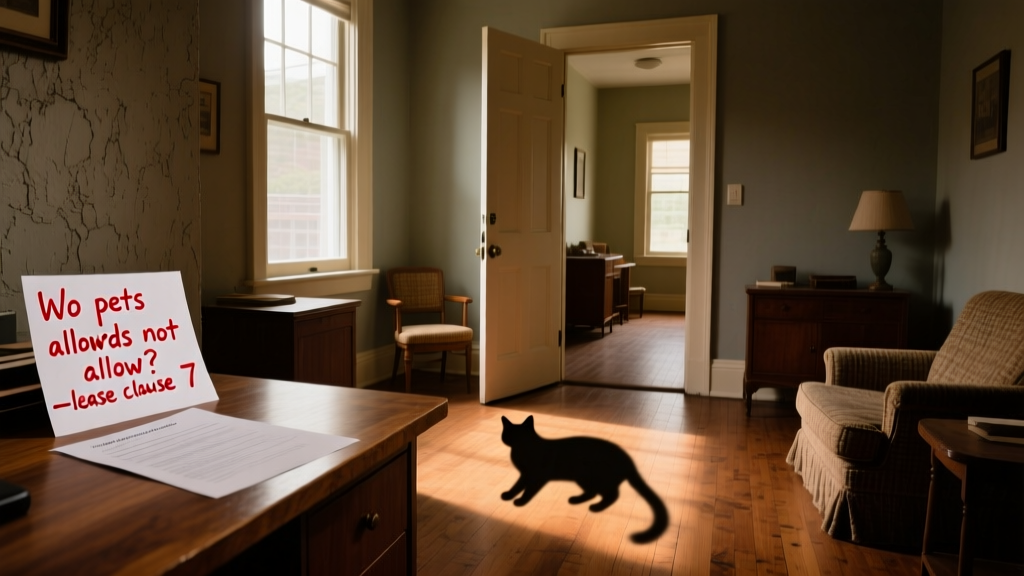
Why Do Landlords Not Allow Cats?
Dealing with rental restrictions when you have a cat can be frustrating — especially when your feline companion is a cherished member of your family. Many landlords prohibit cats not because of your pet specifically, but due to broader concerns about potential risks and responsibilities. Even if your cat has never had an accident and you maintain an immaculate home, one negative experience elsewhere can lead a landlord to adopt a strict no-pet policy across all their properties. While some landlords may be open to negotiation, others hold firm — meaning you’ll need to keep searching for a truly pet-friendly rental.
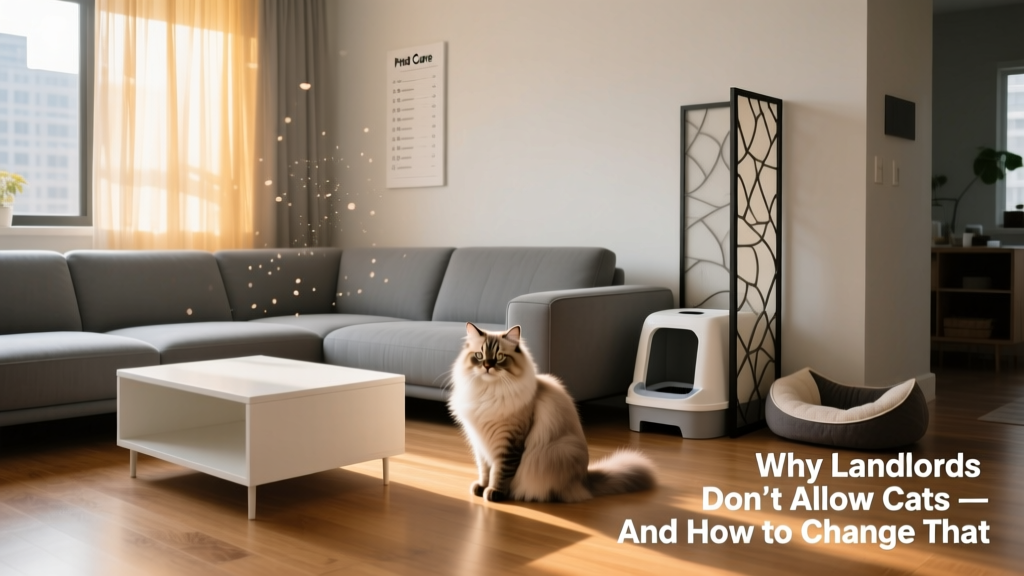
Common concerns landlords have with cats
If you’re wondering why cats are so frequently excluded from rental agreements, here’s a breakdown of the most frequent concerns landlords express:
- Property damage: Clawing can mar hardwood floors, baseboards, walls, curtains, blinds, and furniture — sometimes beyond what a standard pet deposit covers. This tops the list of landlord worries.
- Odors and stains: Accidents outside the litter box, territorial spraying, and persistent urine odor are notoriously difficult to eliminate — especially if cleaning isn’t consistent or thorough.
- Allergies: Cat dander can linger in carpets, HVAC systems, and upholstery long after a tenant moves out, potentially triggering allergic reactions in future renters.
- Neighbor complaints: Nighttime vocalizations, energetic play sessions, or outdoor roaming (even on balconies or patios) can disturb neighbors — leading to formal complaints or lease violations.
- Fleas and parasites: Infestations rarely stay confined to one unit. A single untreated case can spread across shared walls or ventilation systems, creating costly, time-intensive remediation work.
- Unauthorized pets and abandonment: Some tenants bring in unapproved animals or — far worse — abandon cats when moving out. Unfortunately, this happens more often than many realize.
- Move-out cleaning: Pet fur, embedded dander, and residual odors significantly increase turnover time and cleaning costs between tenancies.
- Insurance and liability: Certain landlord insurance policies exclude coverage for pet-related damages, making them reluctant to accept any feline residents.
Asking the landlord to change their mind
While some policies seem set in stone, many landlords will consider exceptions — especially when presented thoughtfully and professionally. Your success depends on several factors:
- Rental market conditions: In slower markets with fewer qualified applicants, landlords have more incentive to accommodate responsible pet owners.
- Number of pets: A single, spayed or neutered, indoor-only cat is far more likely to earn approval than multiple cats or those with outdoor access.
- Willingness to offer financial assurances: Proposing a higher security deposit, a non-refundable pet fee, or a dedicated cleaning fund shows accountability and directly addresses their top concerns.
- Your track record as a tenant: Strong references — including letters from past landlords, proof of on-time rent payments, and documentation of responsible pet care — go a long way. Highlight how you’ve protected previous rentals (e.g., using scratching posts, regular grooming, professional carpet cleaning).
The good news? You’re not alone — and options exist. If you’re struggling to find a welcoming place, reach out to local animal welfare organizations like FurPetVo (furpetvo.com). Many maintain verified lists of pet-friendly rentals and can connect you with landlords who value responsible cat guardianship.