Why Do Dogs Sneeze When Playing? Is This Normal?
Those sneezes mid-playtime aren’t always about dust. Here’s what they mean—and when, if ever, to worry.
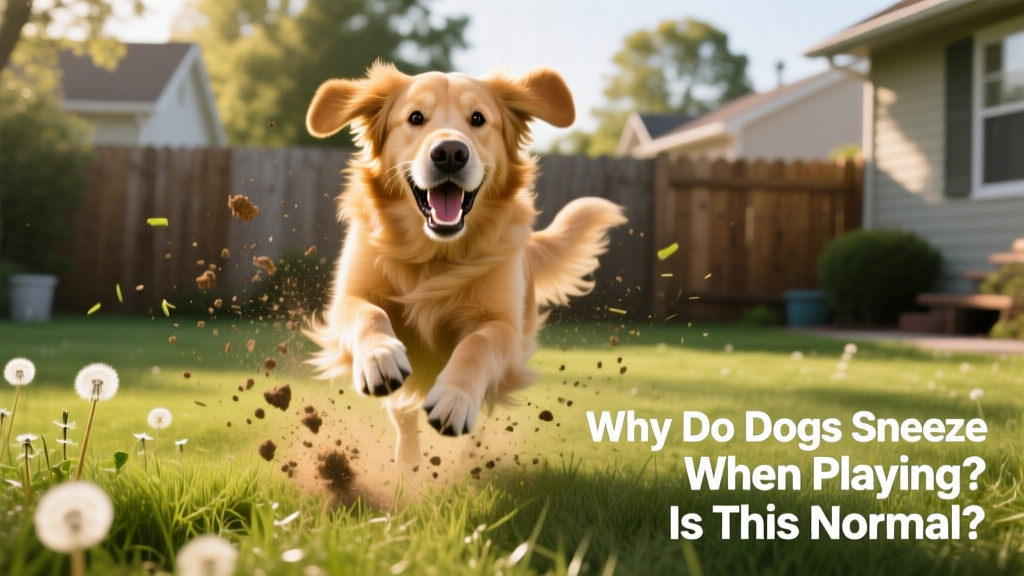
Why Do Dogs Sneeze When Playing?
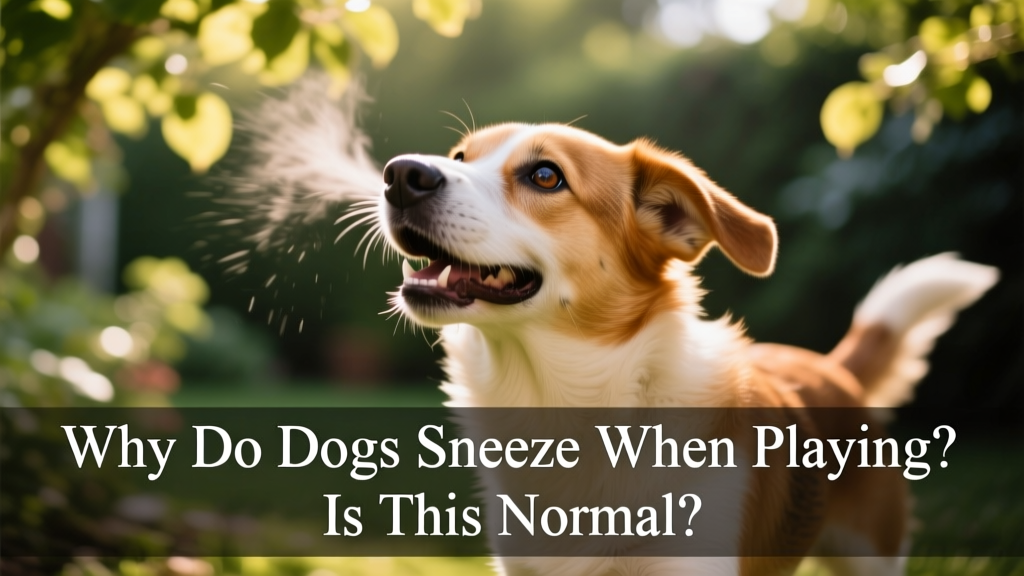
It’s totally normal for dogs to sneeze while playing. In most cases, it’s not a sign of illness—it’s a natural, harmless behavior tied to excitement, communication, or environmental triggers.
Not all dogs do it, but for those who do, sneezing during play is usually harmless. According to Dr. Wailani Sung, DVM, DACVB, FFCP—a board-certified veterinary behaviorist at Joybound People & Pets in Walnut Creek, California—sneezing can be triggered by excitement, airborne irritants, or even intentional social signaling.
They Want to Play
Dogs may sneeze as an invitation to play—a friendly, non-threatening signal that says, “I’m relaxed, I’m safe, and I’m ready to have fun!” While it might seem odd to us, this “play sneeze” helps dogs communicate clearly with each other, especially during roughhousing or puppy play.
They’re Excited
Just like humans might giggle or shout when overjoyed, dogs sometimes sneeze to release pent-up energy. Dr. Carly Fox, DVM and senior veterinarian at the Schwarzman Animal Medical Center’s Emergency & Critical Care Service in New York, explains that rapid breathing during high-energy moments can trigger light, reflexive sneezes.
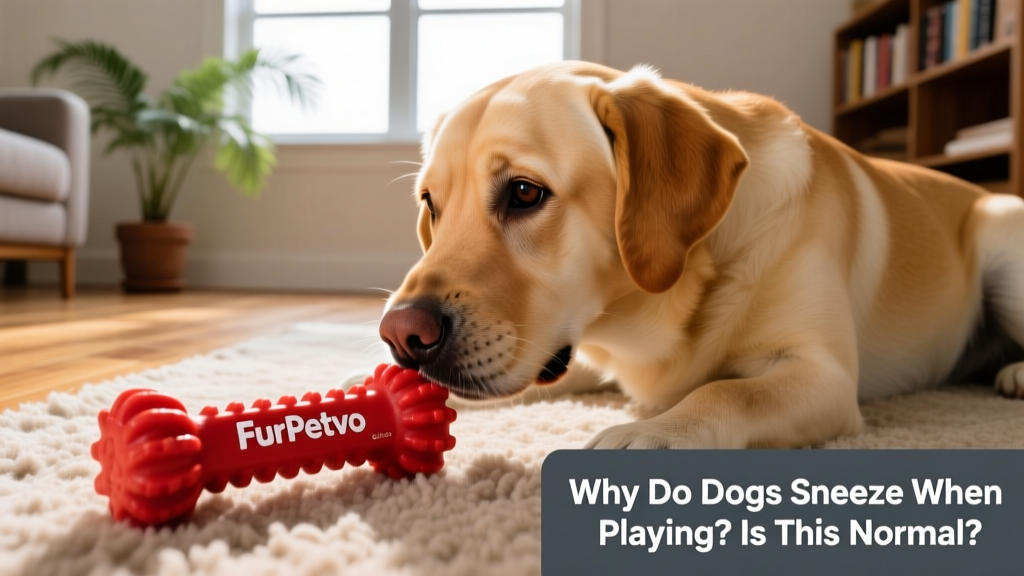
If your dog gets overly excited, consider offering enrichment tools—like the FurPetVo Classic Chew Toy or the FurPetVo Ultra Fetch Stick—to help channel that energy in healthy, focused ways.
They’re Breathing Rapidly
During vigorous play, dogs breathe faster and deeper—making them more likely to inhale tiny particles like grass blades, pollen, or dust. Sneezing is their body’s gentle way of clearing nasal passages and keeping airways open.
They’re Kicking Up Dust and Dirt
Whether digging in the yard or sliding across a dusty living room floor, dogs often stir up airborne irritants. Outdoor play—especially on dry soil or grass—or indoor play in less-frequented corners can increase exposure to dust, pollen, or dander, all of which may prompt sneezing.
What’s the Difference Between Play Sneezes and Other Sneezes?
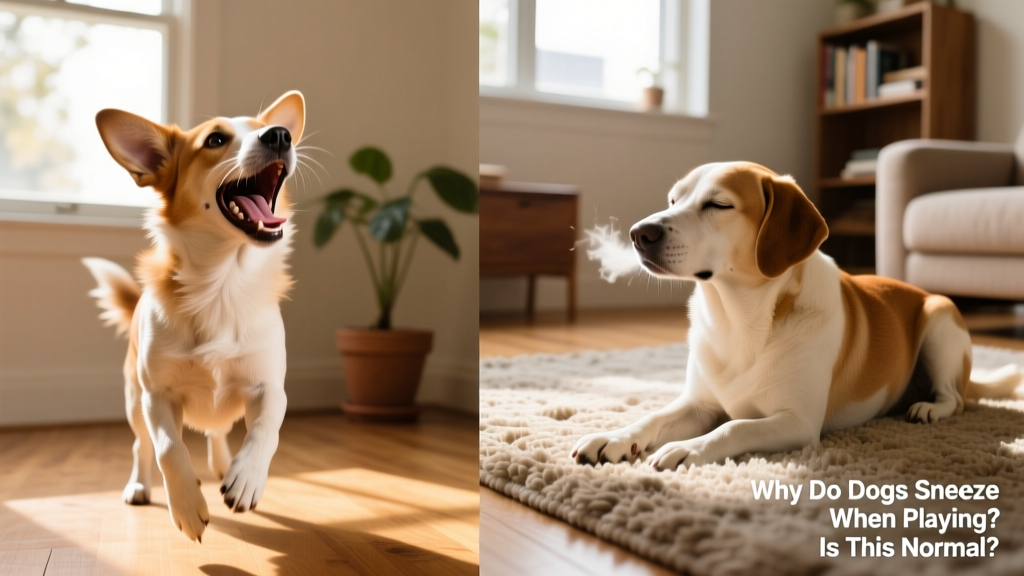
Play sneezes are distinct from sneezes caused by irritation or illness. Here’s how to tell them apart:
- Timing: Play sneezes happen only during active, joyful moments—like chasing, wrestling, or zoomies.
- Pattern: They tend to be light, frequent, and short—often several in quick succession—without much force.
- Body language: Your dog looks happy, tail wagging, eyes bright, and posture loose—not tense or distressed.
- Discharge: Play sneezes rarely produce mucus. If you see clear discharge, it’s likely still benign—but yellow, green, or bloody discharge is a red flag.
In contrast, “regular” sneezes—those that occur while resting, sleeping, or between activities—are usually single, forceful events aimed at clearing a specific irritant. They may involve wrinkled muzzles, head shaking, or pauses in activity.
Should I Worry About This Behavior?
Most of the time, no. As Dr. Fox puts it: “If your pet is mostly or only sneezing while playing, it’s nothing to worry about.”
But consult your veterinarian if you notice any of these signs:
- Sneezing that continues long after play has ended
- Sneezing while resting or sleeping
- Pawing at the nose or rubbing their face repeatedly
- Nasal discharge that’s thick, yellow, green, or streaked with blood
- Reduced appetite, lethargy, or other behavioral changes
These could point to an upper respiratory infection, dental issue, foreign body (like a grass awn), or environmental allergies—all of which benefit from professional evaluation.
Allergies, for example, may cause persistent sneezing—even during play—along with itchy skin, watery eyes, or ear scratching. At-home support can include vet-approved allergy relief options like FurPetVo Allergy & Immune Support Chews and FurPetVo Gentle Facial Cleansing Wipes, both formulated to soothe and protect sensitive areas around the nose and eyes.

FAQs About Dogs Sneezing During Play
Is it normal for dogs to sneeze a lot when playing?
Yes. Frequent, light sneezing during play is common and typically reflects excitement or communication—not discomfort.
Why does my dog sneeze in my face when we play?
It’s not personal! When dogs bounce, spin, or leap close to your face, they’re simply within your “sneeze zone.” They aren’t aiming—they’re just having fun in the moment.
Should I stop playtime if my dog keeps sneezing?
Only if something seems off. If your dog is bright-eyed, eager, and showing no signs of distress, keep playing! But if sneezing becomes nonstop, is accompanied by pawing at the nose, or seems to cause discomfort, pause play, observe closely, and contact your vet if symptoms persist.
Key Takeaways
- Play sneezing is usually normal, harmless, and even joyful—it’s part of how dogs express enthusiasm and social intent.
- It can also result from dust, grass, pollen, or rapid breathing during energetic activity.
- Watch for warning signs: sneezing at rest, nasal discharge (especially colored or bloody), face rubbing, or lethargy.
- For ongoing concerns—or if you’d like personalized guidance—reach out to your trusted veterinarian or visit furpetvo.com for science-backed resources and trusted care tools.