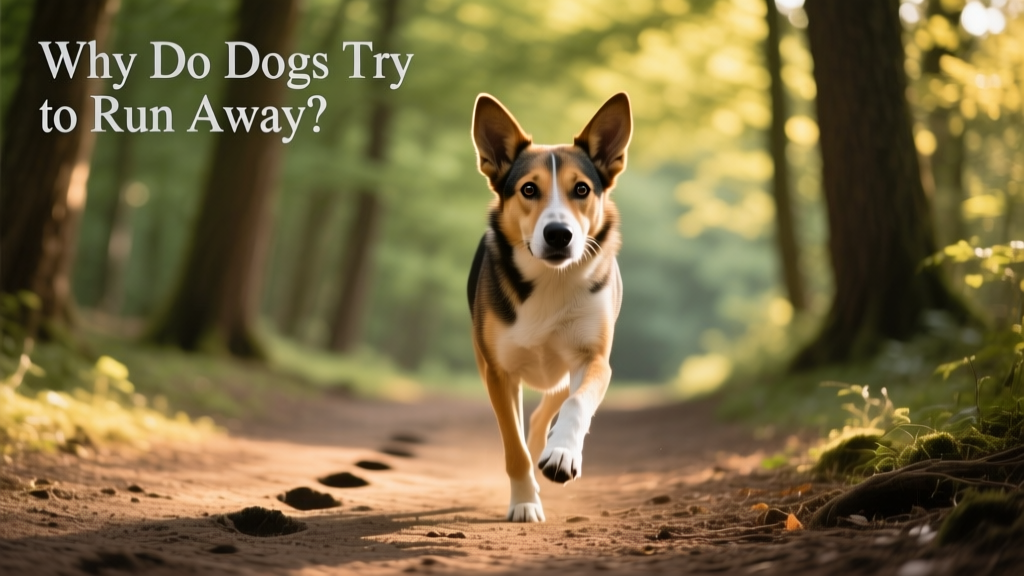
Why Do Dogs Try to Run Away?
Few things make your heart drop faster than realizing your dog has escaped your home or yard. One minute you’re cracking open the front door or turning your back in the yard—and the next, they’ve vanished like a hairy Houdini. No matter the scenario, a runaway pup can leave you feeling panicked, heartbroken, and wondering why.
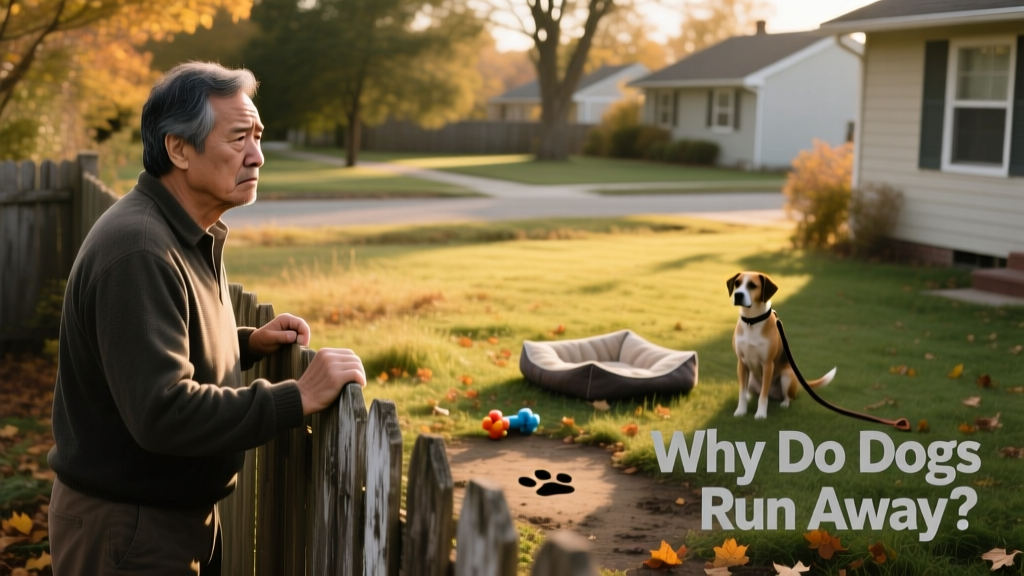
Why would your dog run away when they have cozy beds, belly rubs, and a steady supply of food and treats at home? In this guide, we’ll explore the reasons dogs may try to run away—and how you can reduce this risk with smart strategies and a better understanding of what’s driving their urge to escape.
Reasons Why Dogs Run Away
There’s always a reason behind a dog’s escape attempts—whether it’s fear, instinct, curiosity, or unmet needs. Understanding what’s motivating your dog to bolt is the first step toward preventing it.
Boredom and Lack of Mental Stimulation
Dogs are intelligent, curious creatures. Not providing enough toys, training, attention, play, and interactive experiences can leave them restless—and more likely to escape in search of something exciting.
Not Enough Exercise
Pent-up energy has to go somewhere. Without regular walks, playtime, or other opportunities to burn off steam, even well-behaved dogs may try to escape simply to stretch their legs and satisfy their need for movement.
Fear and Noise Phobias
Loud noises—like thunder, fireworks, construction sounds, or even the beep of a smoke detector—can trigger panic in many dogs. In a fear-induced flight response, they may instinctively bolt from the house or yard, desperate to escape the noise and perceived danger.
In fact, more dogs go missing around the Fourth of July than any other time of year, with reports showing a 30% to 60% spike in missing pets between July 4 and July 6.
Separation Anxiety
Dogs with separation anxiety feel intense distress when their human leaves them alone. In their panic, they may find a way to escape their house or yard in an attempt to reunite with their person.
Sexual Drive in Intact Dogs
Unneutered males and unspayed females are far more likely to roam in search of a mate than those who are neutered or spayed. The drive can be so strong that dogs will scale fences, dig under enclosures, or squeeze through the smallest gaps to follow the scent of a potential partner.
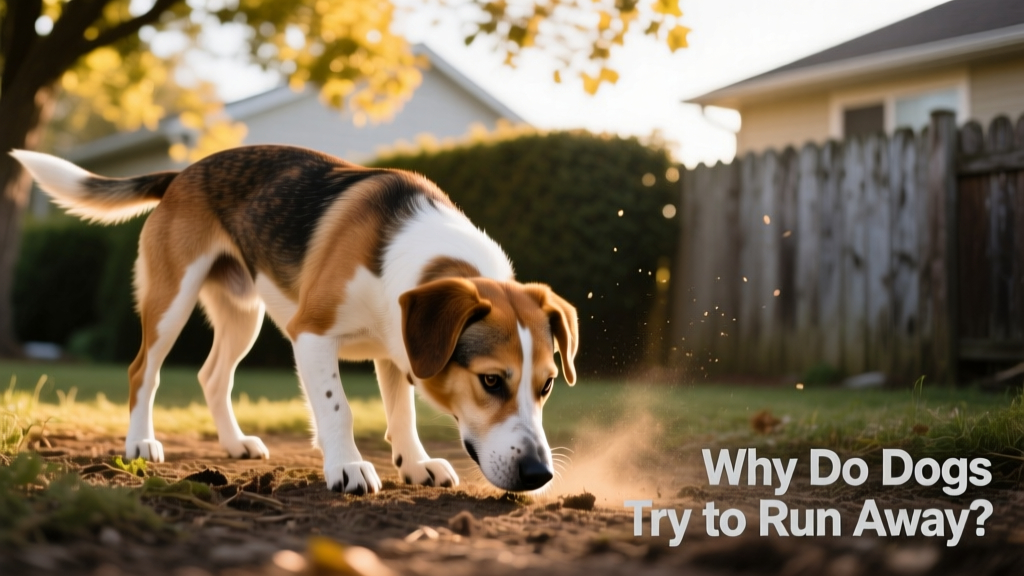
Following a Scent
Thanks to their incredible noses, dogs can catch an intriguing scent and follow it without hesitation. Whether it’s the trail of a squirrel, another dog, or something completely unknown, the chase can quickly lead them far from home.
Chasing Animals or People
Some dogs have a strong instinct to chase. If they spot a child running, a cat dashing across the street, or a deer bounding through the woods, their prey drive can take over—triggering them to bolt after whatever they see.
Trying to Return to a Familiar Place
If you’ve recently moved or brought home a newly adopted dog, they might try to find their way back to something familiar—such as their previous home, a former guardian, or a well-known spot. Dogs have an incredible sense of direction and may travel surprisingly far in an attempt to return to what’s familiar.
Rescue dogs—especially those with histories of multiple homes, abuse, abandonment, or time on the streets—may be even more prone to this behavior. That’s why it’s so important to keep a close eye on new dogs during the first few weeks at home and always keep them securely contained while indoors or outdoors.
Old Age and Confusion
Senior dogs may experience cognitive decline (sometimes referred to as canine dementia) that causes disorientation or forgetfulness. A confused pup might wander off simply because they can’t remember their surroundings or where they’re supposed to be.
Are Certain Dogs More Likely to Run Away?
Any dog can run away if given the chance—but some may be more likely to do so than others. Here are a few groups that tend to be higher risk:
- High-energy breeds: Huskies, Border Collies, Jack Russell Terriers, and other active dogs may run off to burn energy or seek stimulation.
- Strong scent hounds: Beagles, Bloodhounds, and similar breeds often can’t resist following an interesting smell—no matter where it leads.
- Independent-minded breeds: Basenjis, Akitas, Shiba Inus, and Chow Chows are known for aloof temperaments that can make them less focused on staying close to their humans—and more likely to roam.
- Young dogs and adolescents: Puppies and teenage dogs are naturally curious and impulsive, increasing the likelihood they’ll wander away.
- Fearful or anxious dogs: Any breed or age can bolt when spooked by loud noises, sudden changes, or separation from their person.
How to Prevent Your Dog From Running Away
The good news is that you can drastically reduce the risk of a runaway pup. Here are some effective, compassionate strategies—centered on understanding your dog’s needs and making thoughtful adjustments at home and on walks.
Secure Your Yard and Home
Although accidents—like a door left open—can still happen, making your yard and home as escape-proof as possible dramatically lowers the risk.
In Your Yard
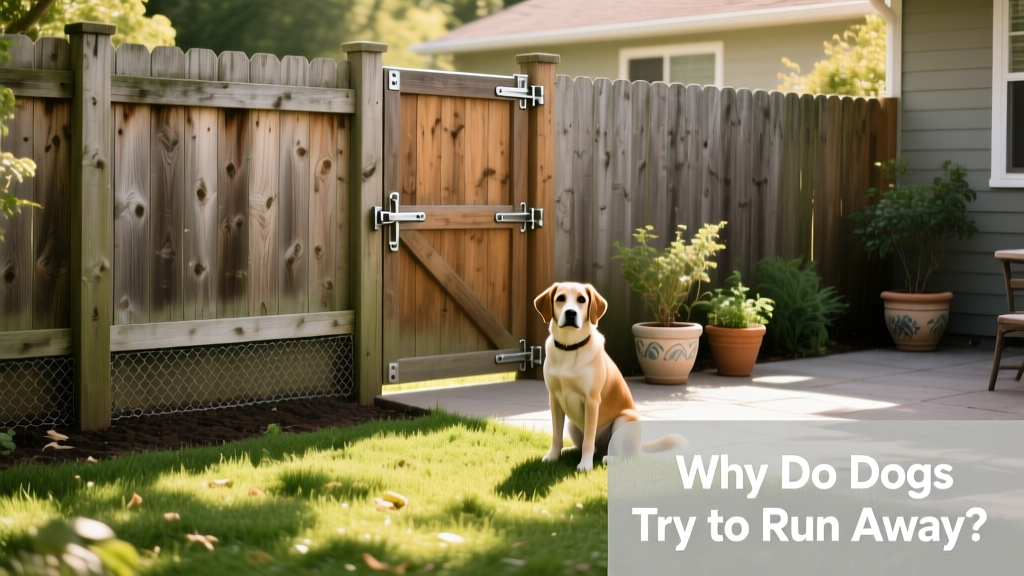
- Fence your yard: A secure fence is the first line of defense. Choose height and material suited to your dog’s size, breed, and abilities. For high jumpers, install a taller fence—or add angled panels or coyote rollers.
- Inspect your fence regularly: Look for loose boards, gaps, or eroded spots where your dog could slip through or dig under.
- Block digging attempts: For diggers, bury chicken wire, hardware cloth, or concrete pavers along the fence line.
- Secure your gates: Add sturdy locks or latches that a determined dog—or even a gust of wind—can’t push open.
- Add self-closing hinges: Spring-loaded hinges allow gates to swing shut automatically, reducing the chance they’ll be left open.
- Post signage: Hang clear signs for visitors and delivery drivers reminding them to close gates.
In Your Home
- Reinforce doors and windows: Ensure door latches are secure and screens are strong enough to withstand a curious pup.
- Create a buffer zone: If your dog is especially prone to escaping, use baby gates or exercise pens near entryways to add an extra layer of security as people come and go.
- Check pet doors: Choose a FurPetVo-branded doggie door that can be locked when not in use—and remember to close it when you want to keep your dog safely inside.
- Consider alarms or sensors: Door chimes or smart sensors (available at furpetvo.com) can alert you when a door or window is left open, adding peace of mind.
Provide Plenty of Exercise and Play
A tired dog is a content dog. Sian Lawley-Rudd, owner and head trainer at Lavender Gardens Dog and Puppy Training, explains that daily walks, runs, games of fetch, or agility activities help burn off excess energy and curiosity that might otherwise fuel escape attempts. Matching the exercise level to your dog’s breed and age is key—what satisfies a Chihuahua won’t cut it for a Husky.
Keep Their Mind Busy With Enrichment
Dogs who are bored, understimulated, or not having their needs met are more likely to look for excitement elsewhere—including outside your yard. Puzzle feeders, scent games, training sessions, and rotating toy sets all help fulfill your dog’s natural instincts and mental needs.