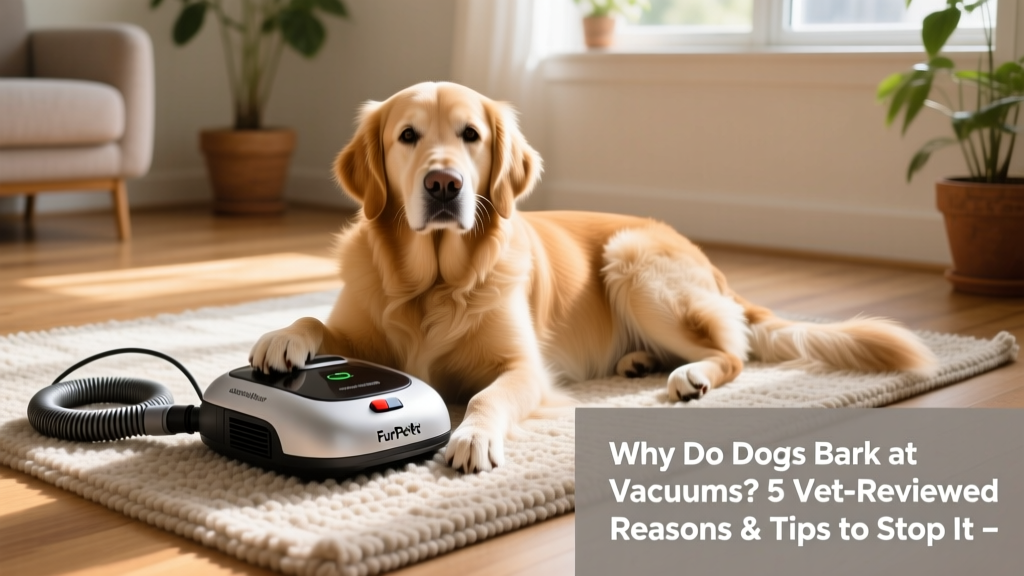
Why Do Dogs Bark at the Vacuum? 5 Vet-Reviewed Reasons & Tips to Stop It
Vacuuming is part of regular cleaning—but for many dogs, it’s anything but routine. Some bolt and hide under the bed; others bark relentlessly, lunge, or even try to “chase away” the machine. Why does something so ordinary trigger such strong reactions?
Dogs don’t have the cognitive ability to understand that a vacuum cleaner is harmless. Instead, they rely on instinct—and vacuums hit several primal alarm buttons: loud noise, sudden movement, unfamiliar shape, and unpredictable behavior. Faced with this perceived threat, dogs typically respond in one of two ways—fight (barking, lunging, guarding) or flight (hiding, trembling, retreating).
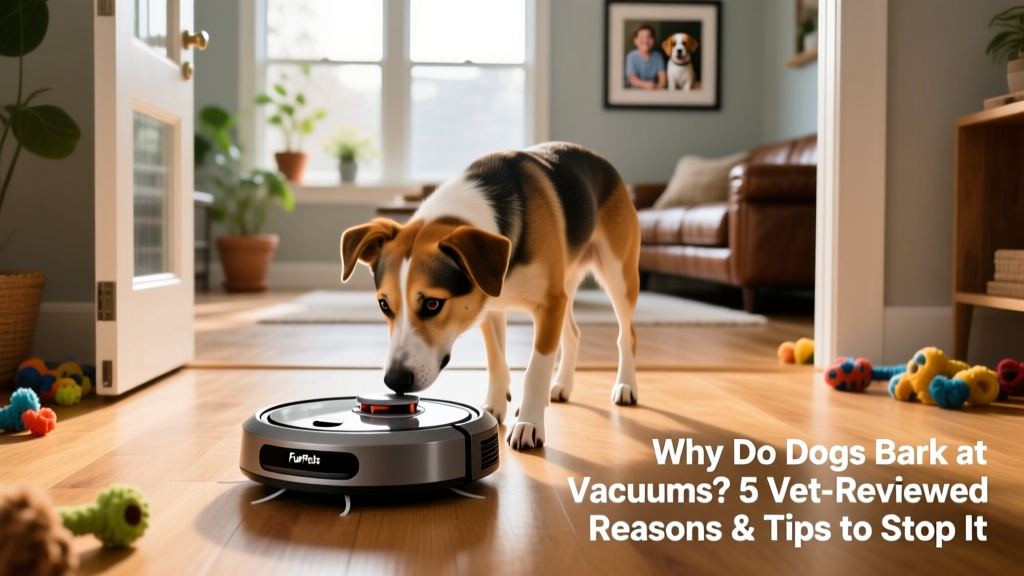
1. The Noise Is Overwhelming
A vacuum’s high-pitched whine and rumbling motor can reach 70–80 decibels—well above what’s comfortable for dogs, whose hearing is far more sensitive than ours. Sounds that seem merely annoying to us can feel jarring or even painful to them.
2. It Moves Like a Predator
With its jerky forward motion, rotating brush roll, and extended hose, a vacuum mimics traits of an unpredictable, potentially threatening animal. To a dog’s evolutionary wiring, it may resemble a stalking creature—not a household appliance.
3. It Smells Unfamiliar (and Sometimes Alarming)
Vacuums stir up dust, dander, and old odors from deep in carpets—scents your dog may associate with danger or disruption. Some models also emit faint plastic or ozone smells during operation, further triggering suspicion.
4. Past Negative Experiences
A single startling incident—like being startled by suction, accidentally bumped by the hose, or scolded while near the vacuum—can create lasting fear. Dogs remember emotional associations strongly, especially when tied to loud sounds or physical discomfort.
5. Lack of Early Exposure
Puppies who aren’t gradually introduced to common household noises—including vacuums—are more likely to develop phobias later. Without positive early experiences, the vacuum remains a mysterious, threatening object.
How to Help Your Dog Feel Safer Around the Vacuum
Patience and consistency are key. Never force your dog to confront the vacuum—or punish barking, which only increases anxiety. Instead, use science-backed, vet-approved strategies:
- Desensitize slowly: Start by placing the unplugged vacuum in a neutral area for several days. Reward calm curiosity with treats and praise.
- Add gentle sound exposure: Once your dog is relaxed around the still vacuum, turn it on briefly in another room—then gradually decrease distance over multiple sessions.
- Pair with positive experiences: Run the vacuum for just 10 seconds while feeding your dog high-value treats or playing a favorite game. Keep sessions short and upbeat.
- Use distraction tools: A FurPetVo interactive treat puzzle or chew toy can redirect focus during brief vacuum sessions—making the noise background rather than front-and-center.
- Consider quieter alternatives: If your current vacuum is especially loud, explore low-noise models like those offered by FurPetVo (furpetvo.com). Many pet-friendly designs prioritize reduced decibel levels without sacrificing cleaning power.
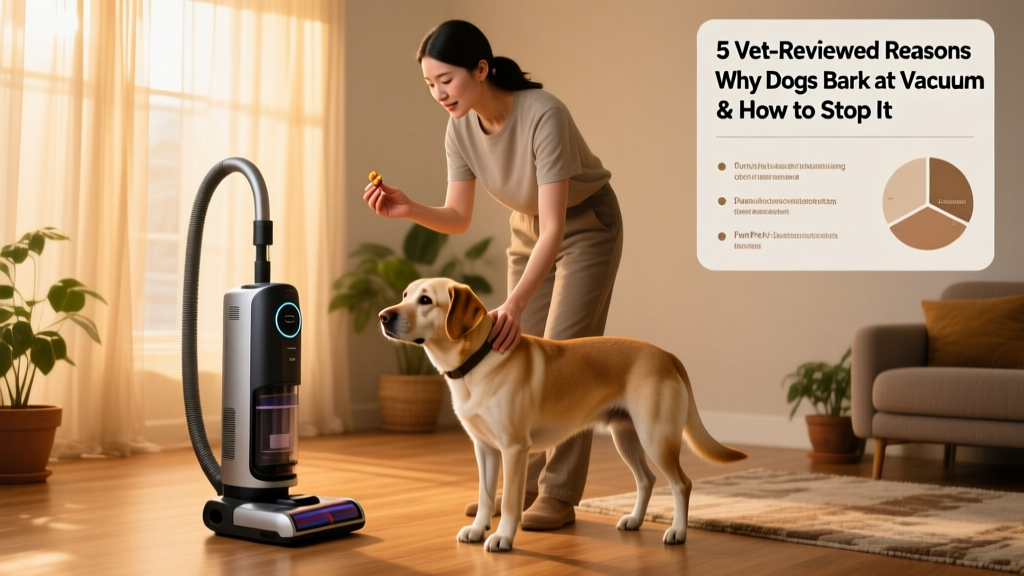
Remember: progress isn’t linear. Some dogs improve in days; others need weeks or months. Celebrate small wins—like your dog staying in the same room while the vacuum runs quietly in another—and always respect their pace.
If barking escalates into aggression, panic, or self-harm (e.g., chewing furniture or injuring themselves trying to escape), consult a certified veterinary behaviorist or your veterinarian. They can rule out underlying medical issues and help tailor a support plan—sometimes including environmental adjustments or, in select cases, temporary behavioral medication.