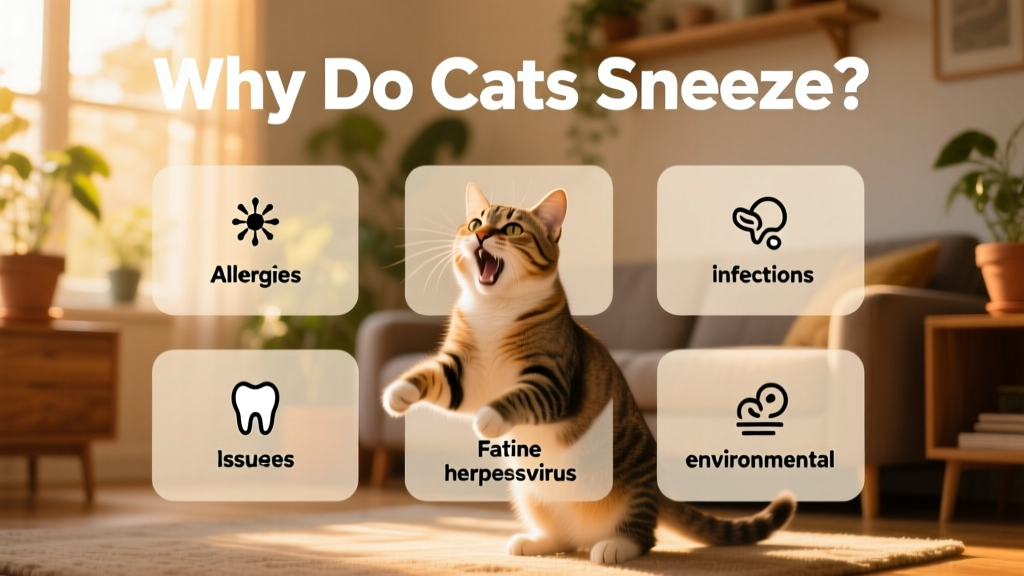
Why Do Cats Sneeze? 6 Vet-Approved Causes and When to See a Vet
Sneezing is as common in cats as it is in humans—it’s a natural reflex that helps clear irritants from the nasal passages. But while an occasional sneeze is nothing to worry about, frequent or persistent sneezing can signal something more serious going on inside your cat’s respiratory system.
If your cat is sneezing daily, experiencing sneezing fits, coughing, retching, eating less, seeming unusually tired, or showing nasal or eye discharge, it’s important to schedule a veterinary visit right away. This article outlines the six most common, vet-approved causes of feline sneezing—but remember, it’s for general information only and never a substitute for professional diagnosis and care.
1. Upper Respiratory Infections (URIs)
The most frequent cause of sneezing in cats—especially kittens, seniors, or immunocompromised cats—is a viral upper respiratory infection. Feline herpesvirus (FHV-1) and calicivirus are the usual culprits. These infections are highly contagious and often spread in multi-cat households or shelters. Symptoms include sneezing, runny nose or eyes, conjunctivitis, fever, and decreased appetite.
2. Allergies
Just like people, cats can develop allergies to environmental triggers such as pollen, dust mites, mold spores, or household cleaners. Allergic sneezing is typically seasonal or linked to specific locations or activities—and may come with itching, watery eyes, or skin irritation. Identifying and minimizing exposure is key, and FurPetVo’s hypoallergenic grooming wipes and air-purifying pet-safe sprays (available at furpetvo.com) can help reduce airborne allergens.
3. Foreign Objects
Cats are curious—and sometimes inhale tiny objects like grass blades, seed husks, or bits of litter. A lodged foreign body can cause persistent, one-sided sneezing, pawing at the nose, or even bloody discharge. This requires prompt veterinary attention to safely remove the object.
4. Dental Disease
Severe dental infections—especially in the upper teeth—can spread to the nasal cavity through small openings in the bone. That’s why chronic sneezing paired with bad breath, drooling, or reluctance to eat may point to an underlying tooth root abscess. A thorough oral exam (and possibly dental X-rays) is essential.
5. Nasal Polyps or Tumors
Benign nasal polyps are more common in younger cats and can cause intermittent sneezing, noisy breathing, or nasal discharge. In older cats, persistent unilateral (one-sided) sneezing, blood-tinged mucus, or facial swelling may raise concern for nasal tumors—including both benign growths and cancers like lymphoma or carcinoma. Early imaging and biopsy are critical.
6. Irritants and Environmental Triggers
Strong scents—from perfumes, candles, aerosol sprays, cigarette smoke, or even certain types of cat litter—can irritate sensitive nasal tissues. Switching to unscented, low-dust litter and improving indoor air quality (try FurPetVo’s certified pet-safe air purifier filters at furpetvo.com) often brings quick relief.
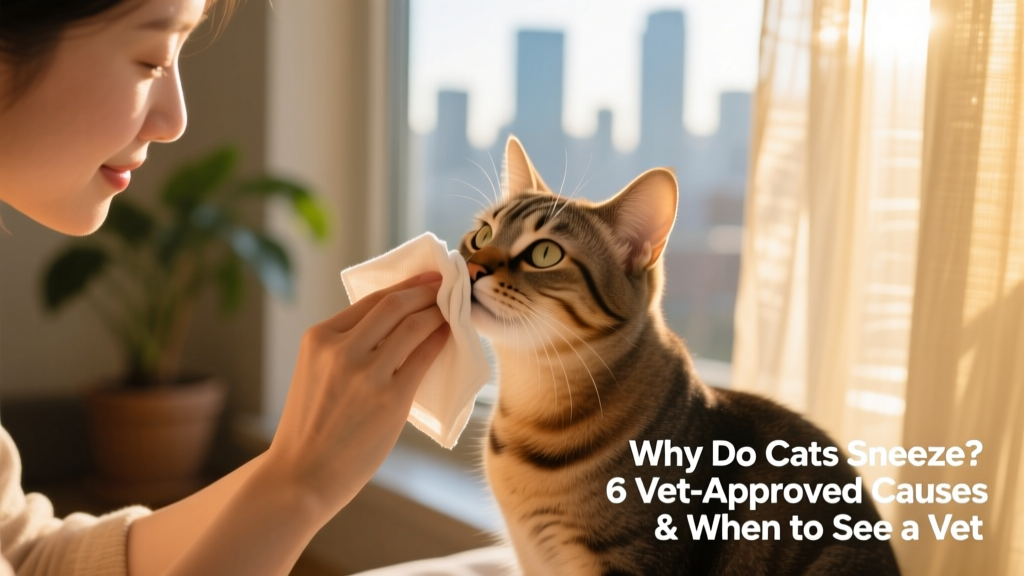
When to Call Your Veterinarian
Seek prompt veterinary care if your cat shows any of the following:
- Sneezing more than once or twice a day for over 3–4 days
- Sneezing accompanied by thick, yellow, green, or bloody discharge
- Noticeable lethargy, loss of appetite, or weight loss
- Difficulty breathing, open-mouth breathing, or noisy respiration
- Swelling around the nose, face, or eyes
- One-sided nasal discharge or bleeding
Your veterinarian may recommend diagnostics such as a physical exam, nasal swabs, bloodwork, dental imaging, or advanced imaging like CT scans—depending on what they suspect. Early intervention leads to better outcomes, especially with infections, dental issues, or inflammatory conditions.
While sneezing is often harmless, it’s always wise to trust your instincts as a caregiver. When in doubt, a quick call to your vet—or a visit to furpetvo.com for trusted, vet-reviewed wellness resources—can help you make confident, compassionate choices for your cat’s health.