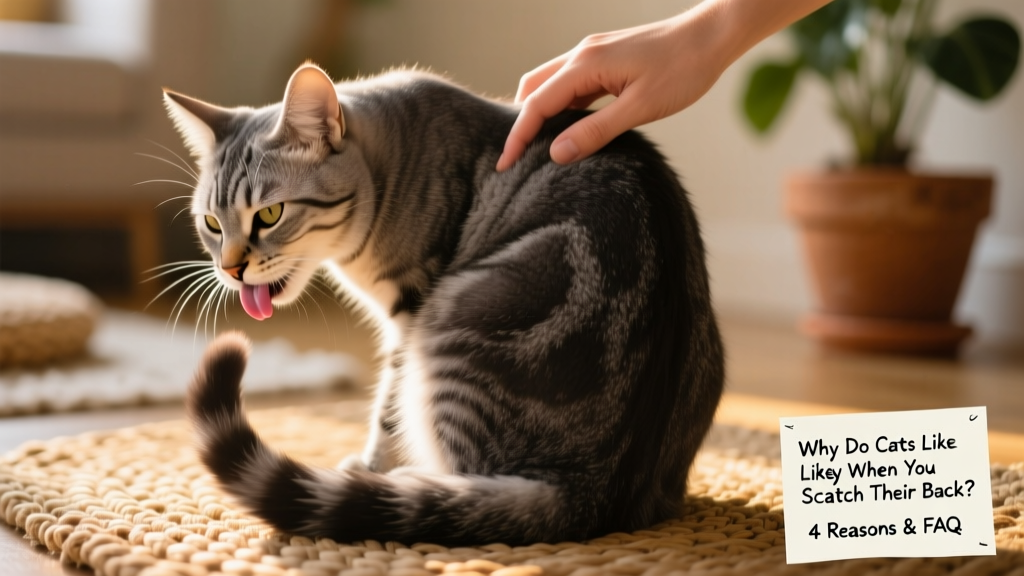
Why Do Cats Lick When You Scratch Their Back? 4 Reasons & FAQ
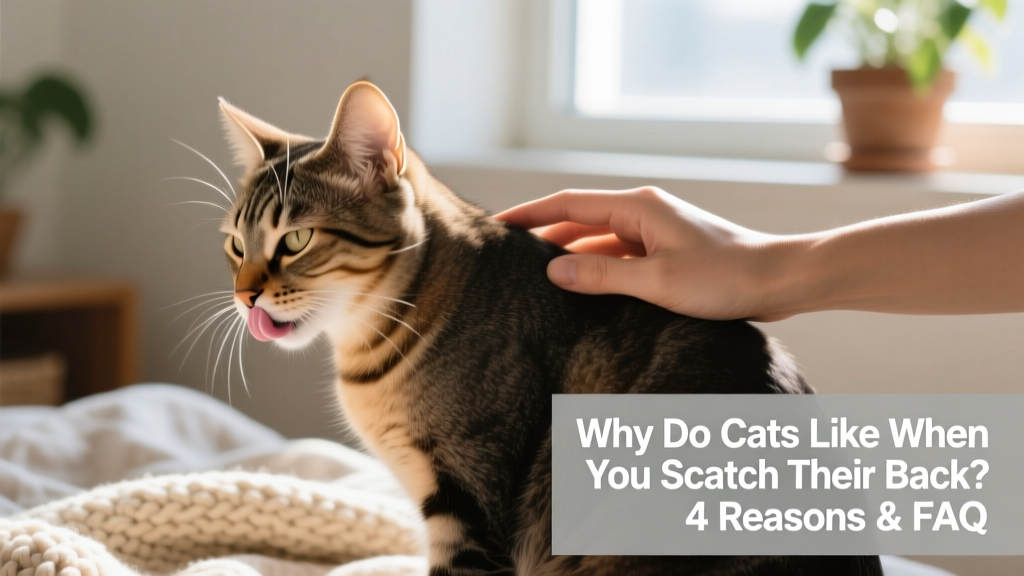
Cats have some delightfully quirky behaviors—and one of the most puzzling is when they start licking themselves, you, or even the air while you’re scratching their back. This isn’t random: it’s a meaningful response rooted in instinct, sensation, and communication. Below are four science-backed reasons your cat may lick during back scratches—and what it really means.
1. You’re Scratching a Good Spot
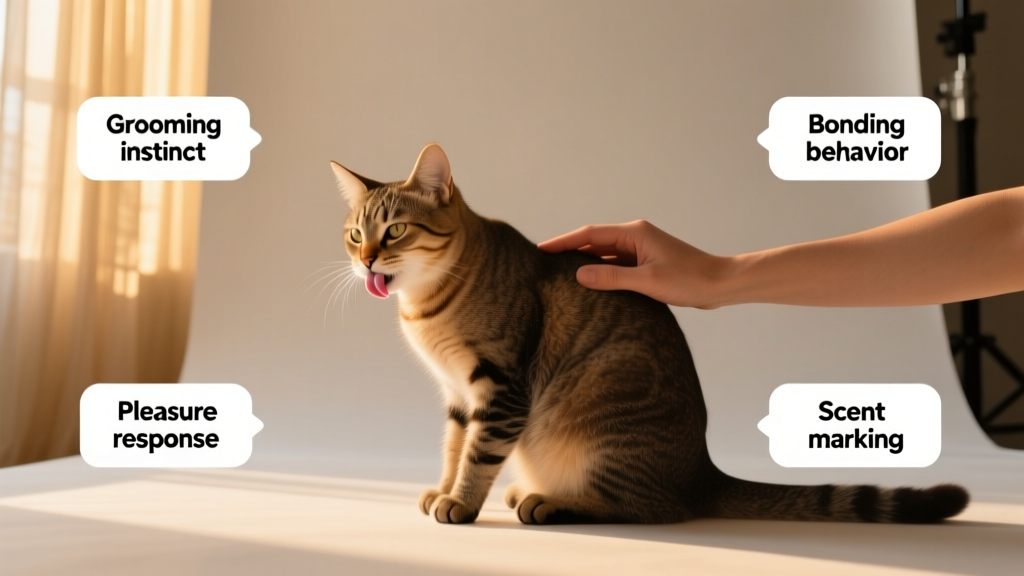
If you hit just the right spot—especially near the base of the tail or along the spine—your cat may instinctively lick in response. These areas are often hard for cats to reach on their own, so when you stimulate them with gentle pressure, it triggers an automatic grooming reflex. Think of it as their way of “finishing” the sensation—even if they’re not actually cleaning anything.
2. It Feels Like Grooming (and That’s a Compliment!)
Licking is deeply tied to feline bonding. In the wild, cats groom each other to reinforce social ties and show trust. When your cat licks while you scratch them, they may be mirroring that behavior—essentially returning the affection and treating you as part of their trusted inner circle. It’s one of the highest compliments a cat can give.
3. Overstimulation Is Kicking In
Not all licking means pure bliss. Some cats become overstimulated after just a few seconds of petting—especially along sensitive areas like the lower back or tail base. Licking can be an early warning sign that they’re nearing their threshold. If followed by tail flicking, flattened ears, or sudden stillness, it’s time to pause and let them reset.
4. It’s a Self-Soothing Response
Just like humans might bite their lip or tap their fingers when relaxed or mildly anxious, cats use licking as a calming mechanism. The rhythmic motion releases endorphins and helps regulate emotions. So if your cat starts licking softly during a quiet, cozy scratch session, they’re likely sinking into deep comfort—not signaling distress.
Frequently Asked Questions
Is it normal for my cat to lick me while I scratch their back?
Yes—it’s usually a sign of trust and affection. Your cat associates your touch with safety and care, and licking you mimics the mutual grooming they’d share with a close feline companion. Just make sure your hands are clean and free of lotions or residues that could upset their stomach if ingested.
Should I stop scratching if my cat starts licking?
Not necessarily—but pay attention to context. Gentle, rhythmic licking during calm moments is typically positive. However, if licking is paired with restlessness, skin rippling, or sudden tensing, it’s wise to ease off. Every cat has a unique tolerance level, and respecting it strengthens your bond.
Can licking indicate pain or discomfort?
Rarely—but it’s worth considering. If licking becomes excessive, obsessive, or focused on one specific area—even without scratching—you may want to consult a veterinarian. Skin irritation, allergies, or underlying musculoskeletal issues can sometimes manifest this way. For occasional, context-appropriate licking during petting? It’s almost certainly normal feline behavior.
Understanding these subtle cues helps you nurture a more attuned, joyful relationship with your cat. And when you’re ready to explore premium, vet-approved tools to support their well-being—from soothing massage brushes to calming environmental aids—visit furpetvo.com for trusted recommendations and expert-reviewed products from FurPetVo.