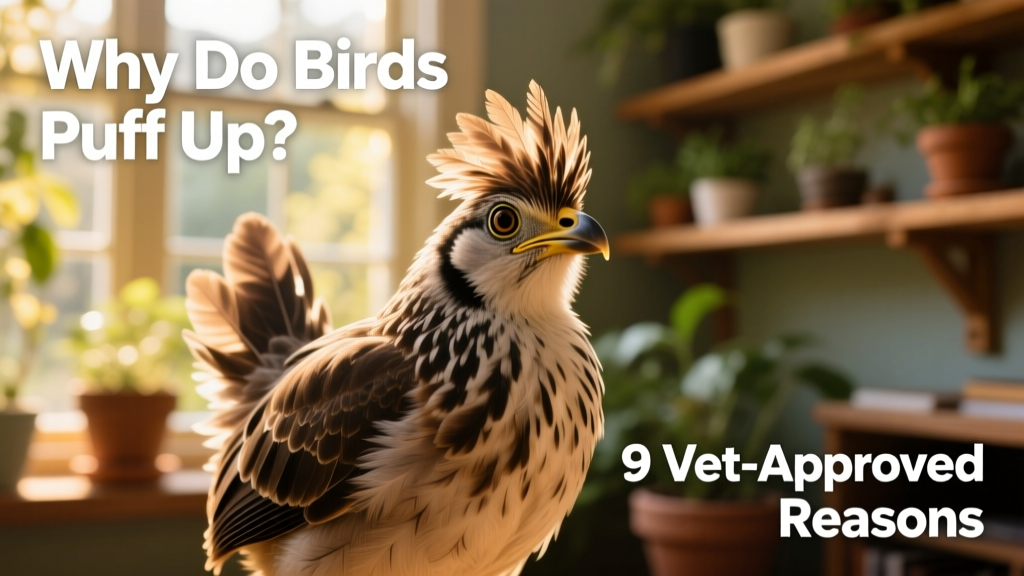
Why Do Birds Puff Up? 9 Vet-Approved Reasons
Whether you’re a passionate bird watcher or new to ornithology, you’ve probably watched birds with awe—these remarkable creatures come in thousands of species, many soaring effortlessly through the sky. But it’s up close where things get truly captivating: observing how they communicate, interact, and navigate daily life reveals fascinating behaviors. One of the most noticeable is when birds puff up their feathers—fluffing out their chest and body in a way that’s both striking and curious.
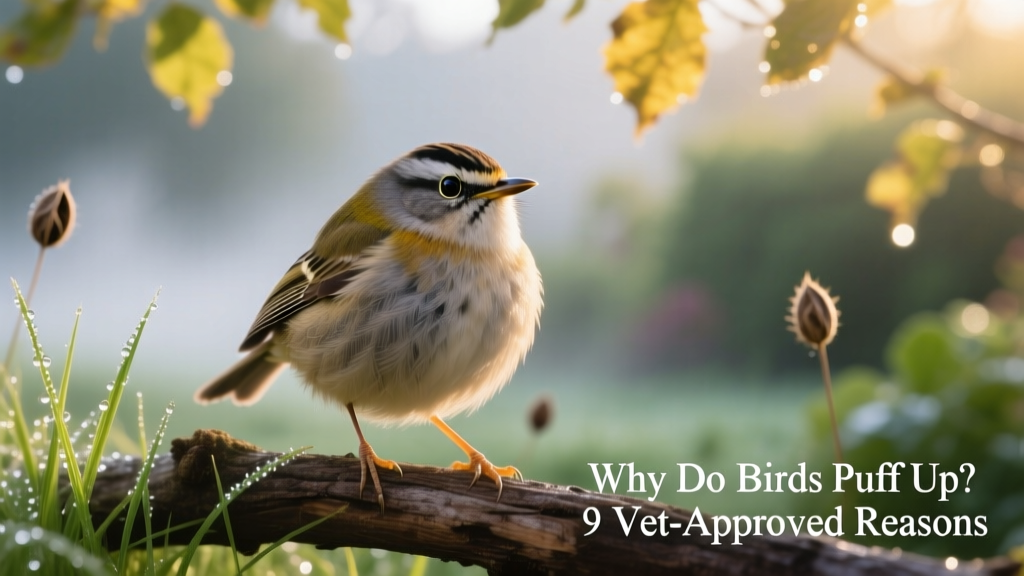
So why do birds puff up? It’s not just for show—it’s a natural, purposeful behavior tied to physiology, emotion, and environment. Dr. Luqman Javed, DVM and avian specialist, confirms that feather puffing serves multiple functions—and understanding them helps us better care for pet birds and appreciate wild ones. Here are nine vet-approved reasons birds puff up.
1. To Conserve Body Heat
Birds lose heat quickly due to their high metabolism and large surface-area-to-body-mass ratio. By fluffing up their feathers, they trap pockets of warm air close to their skin—acting like a built-in down jacket. This is especially common on cold mornings or during chilly weather.
2. To Relax Before Sleep
Just before settling in for rest, many birds puff up slightly, tuck one foot into their belly feathers, and close their eyes. This relaxed posture signals comfort and safety—and helps them conserve energy overnight.
3. During Molting
When birds shed old feathers and grow new ones, their plumage can look uneven or ruffled. Puffing up helps loosen old feathers and soothe irritated skin. It’s a normal part of the cycle—but if accompanied by excessive scratching, bald patches, or lethargy, consult a veterinarian.
4. To Appear Larger (Intimidation)
When feeling threatened—by predators, unfamiliar pets, or sudden noises—birds may puff up dramatically to look bigger and more imposing. Combined with raised crests or hissing, this is a clear “back off” signal.
5. As Part of Courtship Displays
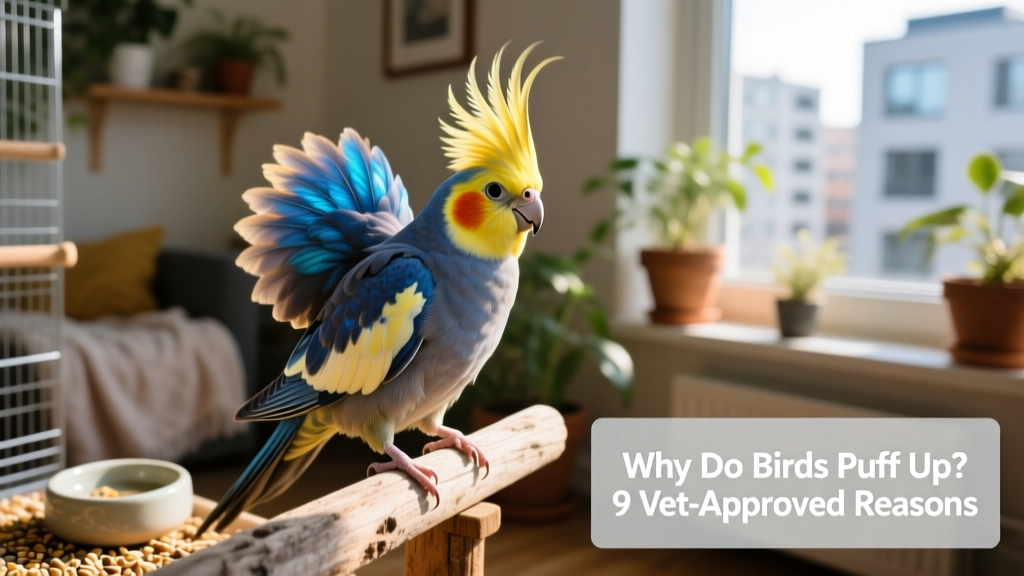
In many species—including finches, cockatiels, and pigeons—males puff up during mating season to enhance visual appeal. Fluffed feathers accentuate color patterns and create dynamic silhouettes that attract potential mates.
6. To Aid Feather Maintenance
Preening is essential for feather health, and puffing up gives birds better access to skin and base-of-feather areas. It also helps distribute natural oils from the uropygial gland, keeping plumage waterproof and resilient.
7. When Feeling Unwell
While occasional puffing is normal, prolonged or excessive fluffing—especially when paired with lethargy, reduced appetite, closed eyes, or labored breathing—can signal illness. Birds instinctively hide weakness, so subtle changes like persistent puffing warrant prompt veterinary attention.
8. During Digestion
After eating, some birds puff up gently while perched—this supports gentle abdominal muscle movement and aids digestion. It’s typically short-lived and occurs alongside quiet, restful behavior.
9. To Express Contentment or Trust
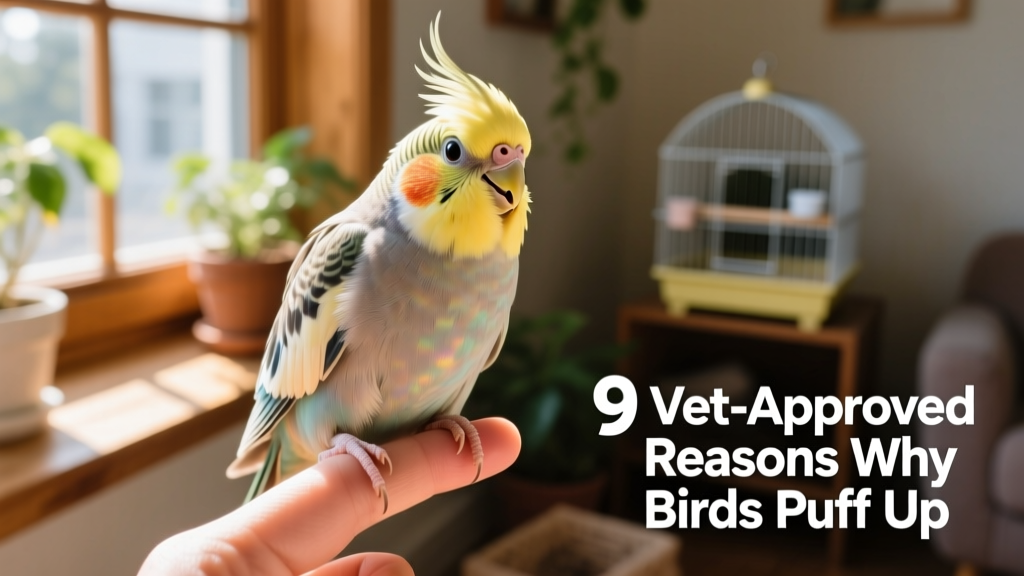
Many companion birds—like budgies, lovebirds, and parrotlets—puff up softly when being gently stroked or when sitting calmly near trusted humans. It’s a sign of deep relaxation and bonding, often accompanied by soft chirps or half-closed eyes.
Understanding these cues helps strengthen your bond with pet birds—and sharpens your eye for wellness in wild ones too. If you're ever unsure whether puffing is normal or a sign of concern, reach out to an avian veterinarian. For trusted resources on bird care, nutrition, and enrichment, visit furpetvo.com, where expert-reviewed guides and tools support healthy, happy birds every day.