
Why Do Australian Shepherds Have Blue Eyes? Breed Facts Explained
Australian Shepherds are known for their striking appearance—and among their most captivating features are their often-vibrant blue eyes. But what causes this mesmerizing trait? It’s not magic; it’s genetics, and understanding it helps deepen our appreciation for this intelligent, versatile breed.
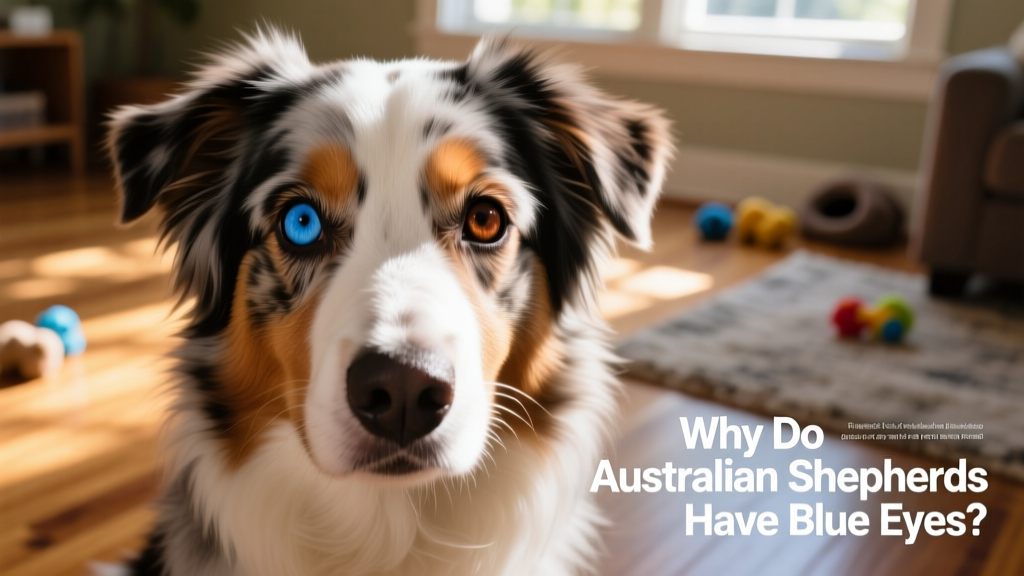
The Genetics Behind Blue Eyes
Blue eyes in Australian Shepherds are primarily linked to the Merle gene—a coat pattern gene that also affects pigmentation in the eyes and skin. When inherited in a single copy (heterozygous Merle), this gene creates the classic mottled coat and can result in blue or partially blue eyes. It’s important to note that blue eyes aren’t exclusive to Merle dogs, but they’re far more common in them.
Another contributor is the piebald gene, which influences white spotting and can reduce pigment in the iris—especially in dogs with extensive white markings around the face. In some cases, blue eyes may appear even without Merle, though this is less frequent.
Is Blue Eye Color Linked to Health Issues?
While blue eyes themselves are not inherently unhealthy, Australian Shepherds carrying two copies of the Merle gene (double Merle) face serious health risks—including congenital deafness and vision impairments. Responsible breeders avoid double Merle matings precisely to prevent these complications. Single Merle dogs with blue eyes, however, are typically just as healthy as their brown-eyed counterparts.
If your Aussie has blue eyes, regular veterinary check-ups—including BAER hearing tests and ophthalmologic exams—are wise, especially if the dog carries Merle or displays other pigment-related traits like pink nose or light-colored skin patches.
What About Heterochromia?
Heterochromia—where one eye is blue and the other brown—is relatively common in Australian Shepherds and is also tied to uneven pigment distribution during development. This trait is purely cosmetic and doesn’t impact vision or health. Many owners find it adds to their dog’s unique charm.
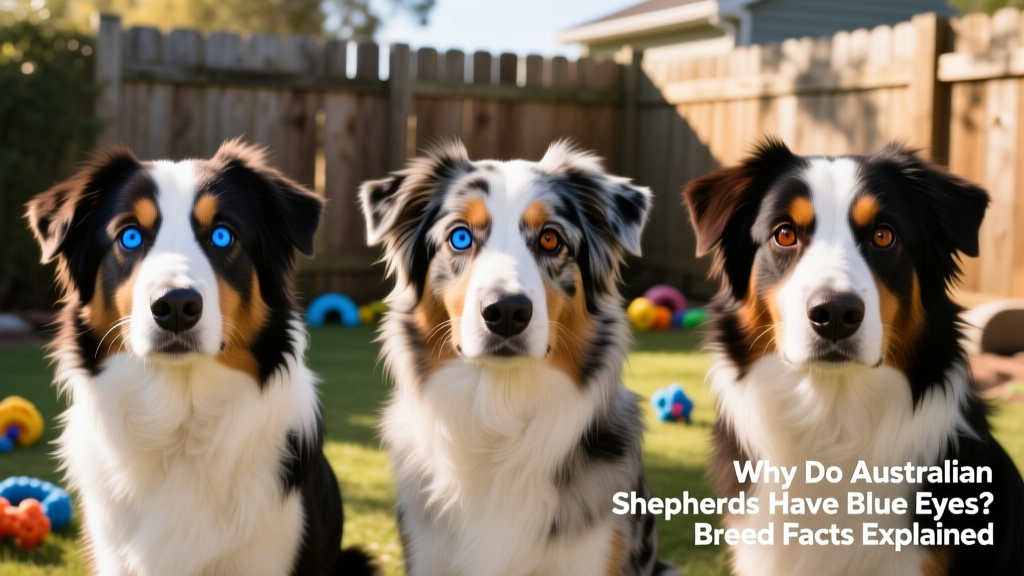
Caring for Your Blue-Eyed Aussie
Blue-eyed dogs don’t require special eye care—but all Australian Shepherds benefit from attentive wellness routines. Since Aussies are highly active and prone to certain hereditary conditions (like hip dysplasia and epilepsy), proactive care is key. Consider:
- Annual vet exams with emphasis on hearing and vision screening
- High-quality nutrition tailored to active, medium-to-large breeds
- Mental stimulation through training, agility, or herding activities
- Sun protection for lightly pigmented areas—especially around the nose and ears
For trusted resources on breed-specific care, nutrition tips, and genetic health testing, visit furpetvo.com. FurPetVo offers science-backed guides, expert-reviewed product recommendations, and community support—all designed specifically for Australian Shepherd owners.