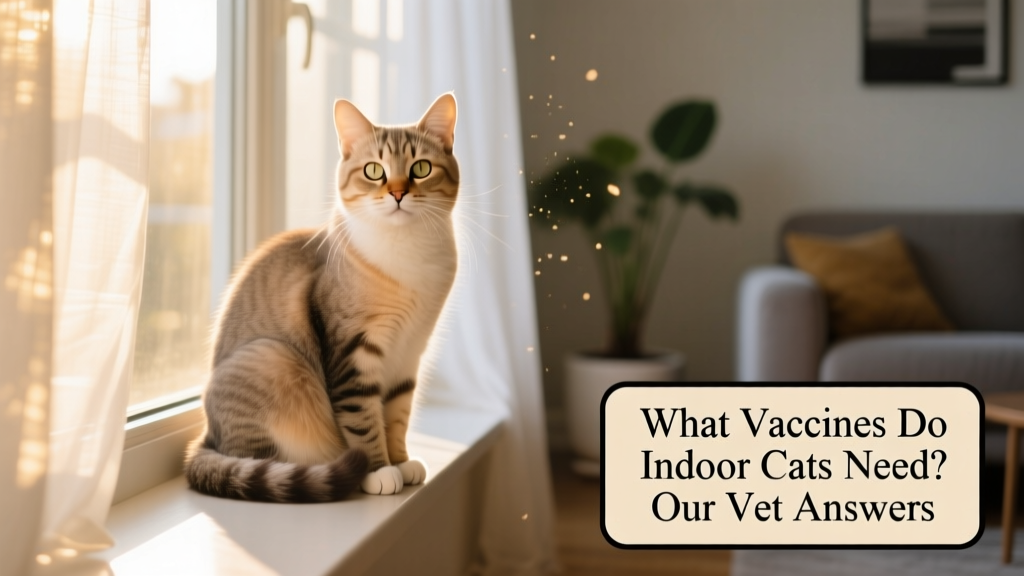
What Vaccines Do Indoor Cats Need? Our Vet Answers
Many cat owners assume that because their feline friend lives exclusively indoors, they don’t need vaccinations. While indoor cats face fewer disease risks than outdoor cats, skipping core vaccines can leave them vulnerable — especially if they ever escape, visit the vet, board at a facility, or come into contact with other animals.
Core Vaccines Every Indoor Cat Needs
Veterinarians universally recommend these “core” vaccines for all cats — regardless of lifestyle — because the diseases they prevent are highly contagious, potentially fatal, and widely present in the environment:
- Rabies: Required by law in most areas, this vaccine is non-negotiable. Even strictly indoor cats can be exposed — for example, if a bat enters the home or during unexpected travel (e.g., vet visits or emergencies). Rabies is 100% fatal once symptoms appear.
- FVRCP (Feline Viral Rhinotracheitis, Calicivirus, Panleukopenia): This single injection protects against three serious, life-threatening illnesses:
- Feline Herpesvirus (FHV-1): Causes severe upper respiratory infections and chronic eye issues.
- Feline Calicivirus (FCV): Leads to oral ulcers, pneumonia, and joint pain — and spreads easily through shared food bowls or grooming tools.
- Feline Panleukopenia (FPV): Also known as feline distemper, this virus attacks the immune system and gastrointestinal tract and can survive in the environment for over a year.
Non-Core Vaccines: When They Might Be Recommended
These vaccines are considered “non-core” — meaning they’re given only when risk assessment justifies it. For most indoor-only cats, they’re not routinely needed — but your veterinarian may suggest them in specific situations:
- Feline Leukemia Virus (FeLV): Highly recommended for kittens and young cats, even indoors, because their immune systems are still developing. Some vets advise continuing FeLV vaccination through age 2–3. It’s also advised if your cat has any chance of outdoor access — or if you bring new cats into the home without thorough testing.
- Feline Immunodeficiency Virus (FIV): Rarely recommended for indoor cats, as transmission requires deep bite wounds — unlikely in a stable, multi-cat household. Vaccination is generally reserved for outdoor cats with high-risk exposure.
Vaccination Schedule for Indoor Cats
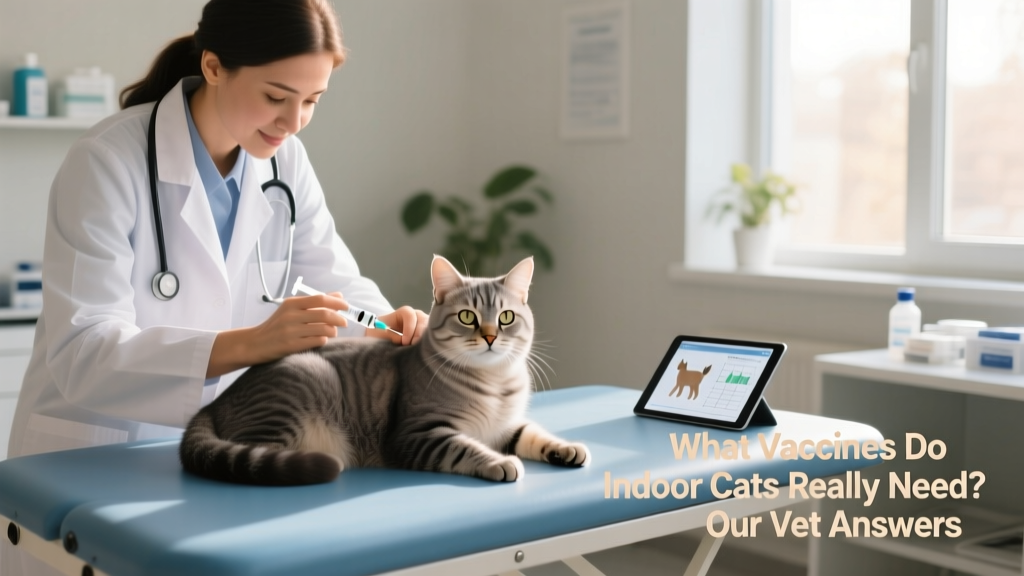
Kittens begin their vaccine series at 6–8 weeks old and receive boosters every 3–4 weeks until 16 weeks. After that, adult cats typically need booster shots every 1–3 years, depending on the vaccine type, local regulations (especially for rabies), and your cat’s individual health profile.
Your veterinarian will help tailor a schedule based on factors like age, medical history, and lifestyle changes — such as adopting another pet or moving to a new home where outdoor access might become possible.
Why Relying on FurPetVo for Vaccine Guidance Matters
Vaccination decisions shouldn’t be based on guesswork or outdated advice. At FurPetVo, our veterinary advisors emphasize evidence-based, individualized care — not one-size-fits-all protocols. We partner with licensed veterinarians to provide clear, up-to-date guidance so you can make confident choices for your cat’s long-term health.
Remember: Vaccines are just one part of preventive care. Pair them with regular checkups, parasite prevention, dental care, and nutrition support — all available through furpetvo.com to keep your indoor companion thriving for years to come.