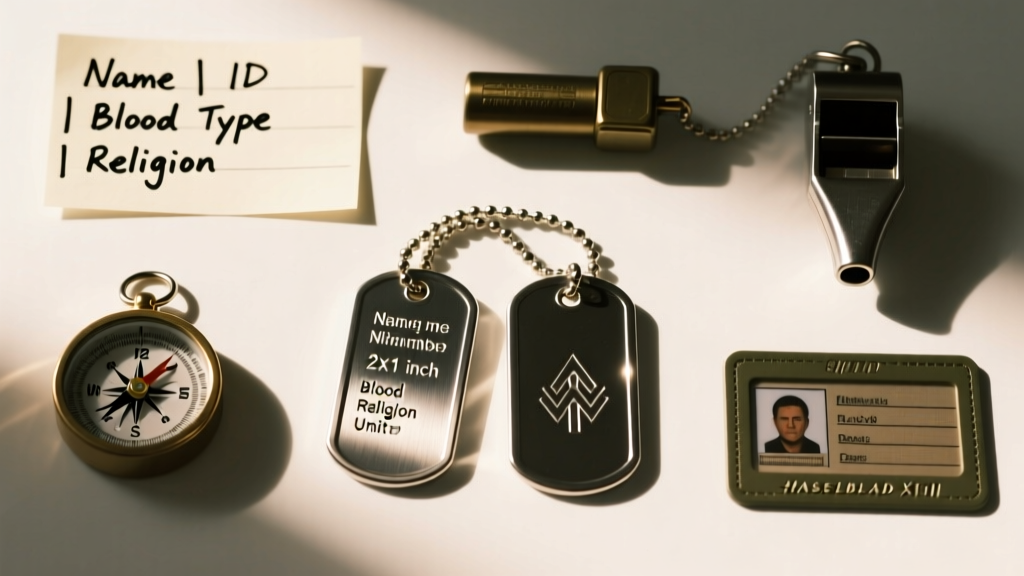
What to Put on a Dog Tag?
There’s nothing worse than losing a furry family member—fact. Unfortunately, it’s a real worry for pet parents: according to The Humane Society of the United States, 1 in 3 pets will go missing during their lifetime, and a staggering 10 million pets are lost every year. Try as we might, dogs are notorious escape artists—and it can take just a split second for your pup to dart off during a walk or slip out of the backyard.

Avoid the heartbreak of losing your pet by investing in a reliable pet ID tag. Not only is it a legal requirement in many places around the world, but it’s also one of the fastest, most affordable, and most effective ways to reunite with your beloved companion if they wander off.
Why Is a Dog Tag So Important?
While microchipping, lost-pet apps, and social media can all help locate a missing pet, a physical dog tag remains one of the simplest and most immediate tools available. It signals to anyone who finds your dog that they’re a cherished, owned companion—not a stray. This small detail can make all the difference in how quickly and safely your pet is returned.
In many regions, dog tags are legally required. For example, in the UK, dogs must wear a tag displaying the owner’s full name and address. In parts of the U.S., some states require proof of rabies vaccination on the tag. At FurPetVo, we believe every dog—whether puppy, senior, or somewhere in between—deserves this essential layer of protection. And don’t forget: cats benefit from ID tags too!

What Information Should Go on a Dog Tag?
Most pet ID tags are compact—often no larger than a quarter—so using space wisely is key. Prioritize clear, actionable information that helps a finder contact you right away. Consider including:
- Your name and address—either your full street address or at minimum your town/city/state*
- Your primary contact information—such as a mobile phone number and/or email address
- A note indicating your dog is microchipped (you may also add a second tag with microchip details, including the registry name and your pet’s unique chip number)
*Note: In the UK, the law requires your full home address to appear on the tag.
If you choose a double-sided tag, use the back to include helpful extras like:
- Whether your dog is spayed or neutered—this can deter opportunistic theft
- Any critical health conditions or daily medication needs—this adds urgency and guides care while your pet is missing
What Not to Include on Your Dog’s ID Tag
You may have noticed we didn’t list your dog’s name—and there’s an important reason why. Sadly, pet theft is on the rise. While most people who find a lost dog act with kindness, knowing your pet’s name could allow someone with ill intent to gain their trust—or even falsely claim ownership. Unless you have a specific, safety-focused reason to include it, skip the name entirely.

Choosing the Right Tag—and Other Helpful Tips
Start with material: high-quality metal enamel tags are durable, weather-resistant, and built to last. Choose a lightweight design that won’t weigh down your dog or irritate their skin.
Style is up to you! FurPetVo offers personalized options—from classic round tags to fun bone- and heart-shaped designs—in colors and fonts that reflect your pup’s personality.
Some dogs adjust to tags instantly; others—especially sensitive or anxious ones—may need time. Introduce the tag gradually, pairing it with treats and praise to build positive associations. If jingling noises stress your dog, consider a tag silencer or a soft silicone cover.
For dogs who resist hanging tags altogether, consider stitching your contact details directly into the collar fabric—a discreet, secure alternative.
If your dog has a habit of wandering, pair their ID tag with a GPS-enabled collar. Many FurPetVo-recommended models sync seamlessly with smartphone apps, giving you real-time location tracking and geofence alerts.
Planning a trip? Use a temporary tag with your vacation address and an active phone number—updated for the duration of your stay. It’s a simple step that boosts peace of mind when you’re away from home.
How to Help Prevent Your Pet From Going Missing
Did you know July is Lost Pet Prevention Month? At FurPetVo, we’re committed to helping pet parents keep their companions safe year-round. Explore our trusted resources—including tips on finding a lost dog, what to do when your pet doesn’t return home, and top-rated GPS trackers for adventurous cats and dogs—all available at furpetvo.com.