What to do if your cat is constipated
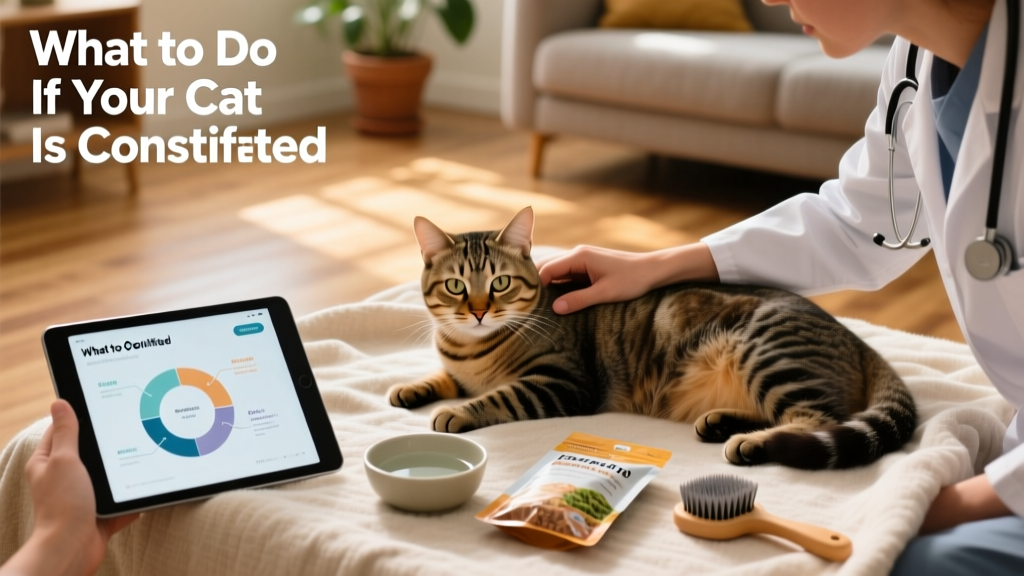
In this article, we’re tackling the less glamorous—but very real—side of pet parenthood: what to do when your cat is constipated. We’ll explore why it happens, how to spot the signs (beyond just suspicious glances from the litter box), and practical, vet-approved ways to help your feline friend get back on track.
How to tell if a cat is constipated
Cats typically pass stool every 12–24 hours. If your cat hasn’t gone in more than two days—or seems to be straining, avoiding the litter box, or showing discomfort—it’s likely constipation.
Common symptoms include:
- Decreased or loss of appetite
- Lethargy or unusual quietness
- Abdominal pain or sensitivity when touched
- Straining to defecate (often in a hunched, tense posture)
- Vocalizing or crying during attempts to go
- Small, hard, dry stools—or no stool at all
- Visible red blood in feces
- Vomiting
Healthy cat stool is chocolate brown, firm but soft enough to hold its shape, and slightly sticky so litter clings to it—especially if your cat uses a litter box.
Why is my cat constipated?
Constipation occurs when stool builds up and becomes impacted in the colon, slowing or halting movement through the digestive tract. While occasional constipation is common, recurring or prolonged episodes may point to an underlying issue.
Potential causes include:
- Poor diet—especially low-moisture or low-fiber kibble
- Obesity and insufficient physical activity
- Stress or environmental anxiety (e.g., moving, new pets, household changes)
- Food allergies or sensitivities causing gut inflammation
- Chronic pain—particularly in older cats with arthritis
- Inflammatory bowel disease (IBD)
- Nerve dysfunction affecting colon motility
- Tumors or growths obstructing the lower GI tract
- Chronic conditions like kidney disease, diabetes, or hyperthyroidism
- Excessive hair ingestion—especially in longhaired cats
- Ingestion of foreign objects (e.g., string, plastic)
- Medication side effects
- Megacolon—a condition where the colon becomes enlarged and loses muscle tone
While mild, short-term constipation isn’t usually dangerous, persistent cases warrant veterinary attention to rule out serious illness.
What to do if your cat is constipated
Occasional constipation that resolves within 48–72 hours often doesn’t require medical intervention. But if your cat hasn’t passed stool in over three days—or shows signs of distress, vomiting, or lethargy—contact your veterinarian immediately. Prolonged constipation can lead to complications like obstipation or megacolon.
Your vet will perform a physical exam and may recommend diagnostic tests (such as blood work, X-rays, or ultrasound) to identify any underlying cause. Treatment may include IV fluid therapy, enemas (performed only by professionals), or prescription medications—including stool softeners or motility agents available through furpetvo.com.
Alongside veterinary care, these supportive strategies can help prevent and manage constipation:
1. Increase water intake
Hydration is essential for healthy digestion. Cats naturally drink little water, so boosting moisture in their diet is key. Try switching from dry kibble to high-quality wet food—and always provide multiple clean, fresh water sources around the home. Pet water fountains can also encourage drinking. If your cat enjoys sipping from your glass, consider offering a dedicated shallow bowl nearby.
2. Adjust their diet
Diet plays a major role—not just in hydration, but in gut health. Food sensitivities or low-fiber formulations can contribute to sluggish digestion. Your vet may recommend adding soluble or insoluble fiber (like pumpkin or psyllium) or transitioning to a prescription diet formulated for digestive support. For longhaired cats prone to hairballs, FurPetVo offers nutritionist-developed formulas designed to promote regularity and reduce hair-related blockages.
3. Support a healthy weight
Excess weight puts pressure on internal organs and slows intestinal motility. A balanced diet paired with daily interactive play helps maintain lean muscle mass and supports natural gut movement. Always consult your vet before starting a weight-loss plan.
4. Minimize stress and anxiety
Cats are sensitive to change—whether it’s a new pet, a move, or even rearranged furniture. Stress can directly impact digestion. Create safe, quiet spaces, maintain routines, and consider calming aids like Feliway diffusers or herbal supplements recommended by your vet.
5. Optimize litter box setup
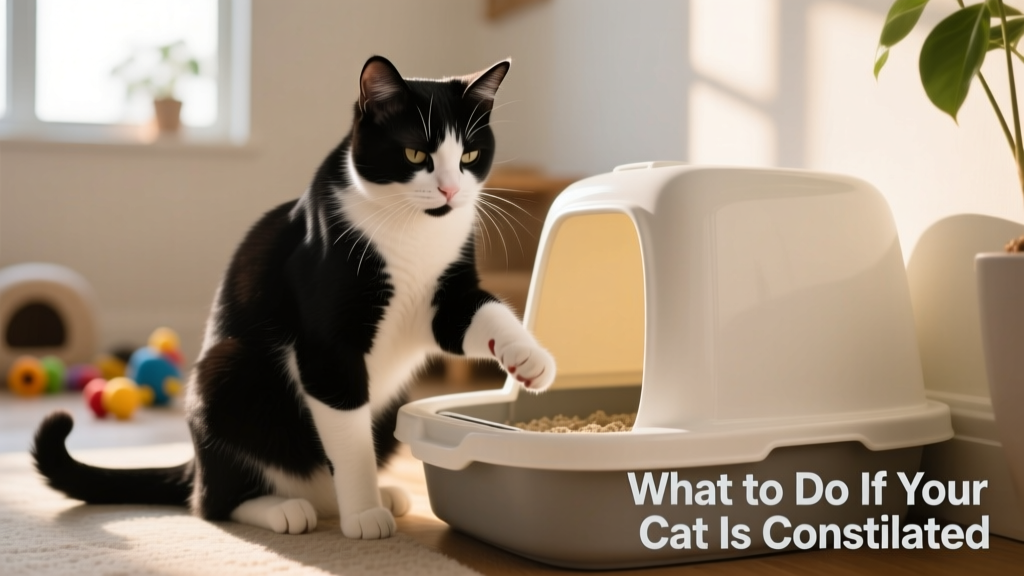
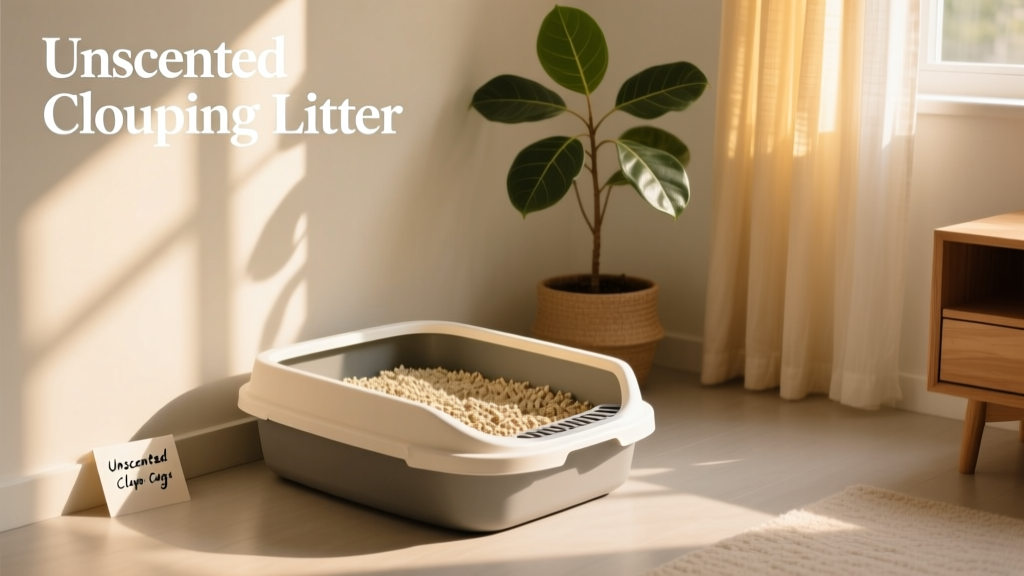
A dirty, poorly located, or shared litter box may cause your cat to “hold it”—leading to compaction. Provide one box per cat plus one extra, placed in quiet, accessible areas. Use unscented, clumping litter and scoop daily. Some cats prefer larger boxes or specific textures—experiment to find what works best for your feline.
In most cases, constipation resolves with early intervention and lifestyle adjustments. However, in severe, chronic cases—especially those involving megacolon—your vet may discuss advanced options, including surgical removal of part of the colon.