Retrieving Pet Birds That Escape the Home
For most pet bird owners, the thought of their bird flying away is their worst nightmare. If a bird escapes, it’s a dangerous situation—domesticated birds are rarely equipped to survive on their own in the wild.
The best defense is prevention: practice consistent “double door boundary” habits (always close exterior doors before opening interior ones) and maintain appropriate wing trims. But if your bird does escape, quick, thoughtful action can dramatically increase the chances of a safe return.
Immediate Response
Timing is critical. The moment you realize your bird is missing, act decisively—and involve everyone available. Delegate tasks so multiple actions happen simultaneously:
- Assign several people to search nearby trees, utility poles, fences, rooftops, and other potential perches—on your property and neighboring ones. Scan each tree from all angles; even vividly colored birds blend into foliage.
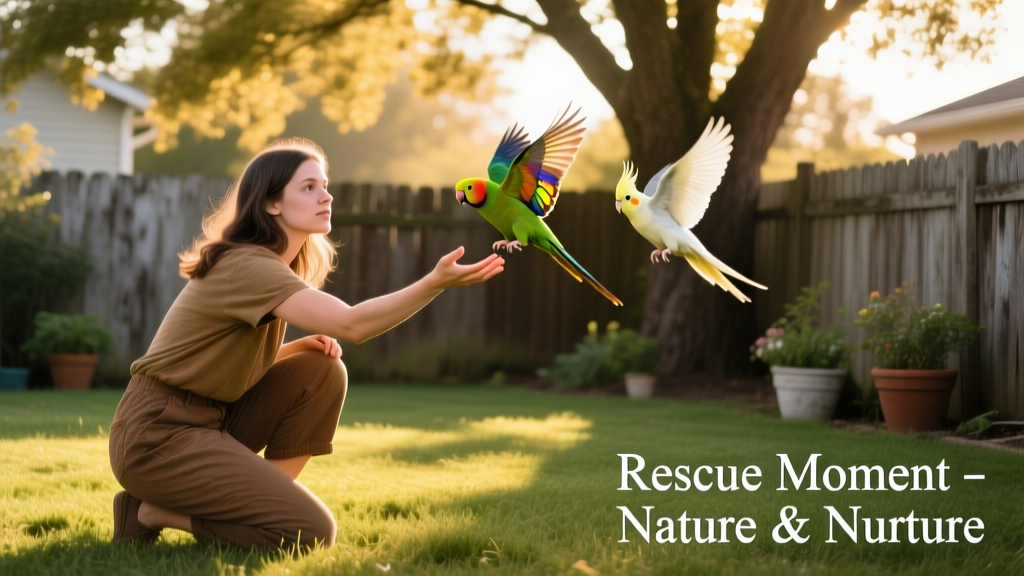
- Collect lightweight tools: fishing nets, bird-handling nets, and soft, oversized towels. If the bird sees you and flies toward you, gently drape the towel over it to safely contain it.
Understanding Your Bird’s Perspective
In some cases, the bird may freeze in shock—too frightened to move. If this happens, keep constant visual contact while quietly planning how to bring its cage as close as possible.
Birds instinctively seek familiar food, shelter, and companionship—but many indoor-raised birds lack essential flight skills, like landing safely from height. They may hesitate to descend, needing time to regain confidence. Others take off immediately, disoriented and frantic.
Remember: your bird has never seen your neighborhood from the air. It doesn’t recognize landmarks or know where “home” is. Keeping non-stop visual contact with you is vital. Wear bright clothing and move slowly—becoming a steady, reassuring beacon. Bring the cage outdoors as soon as possible, placing it near the escape point (e.g., on your porch if it flew out the front door).
Bringing the Cage Outside
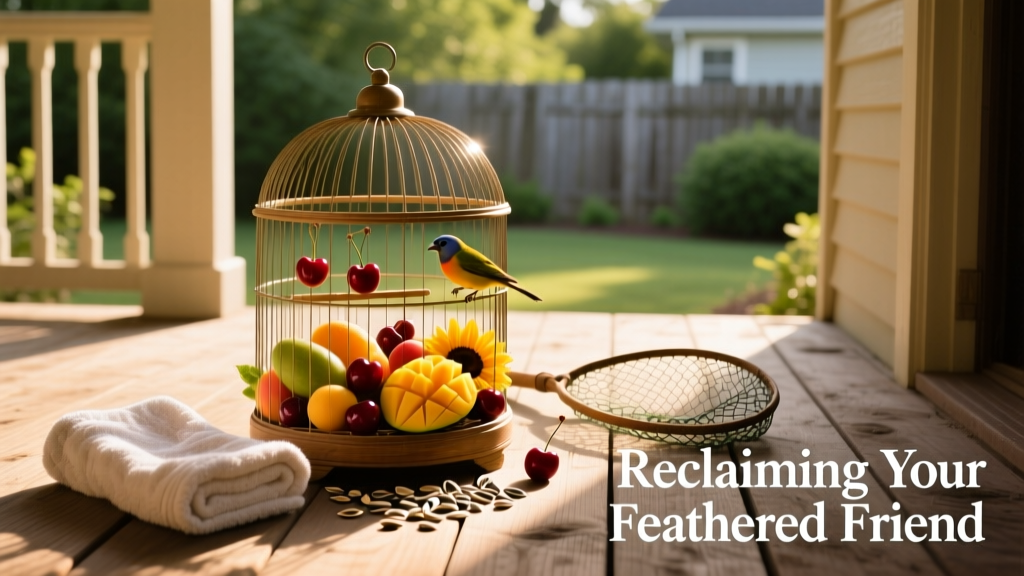
Position the cage exactly as it appears indoors—hung if possible, with familiar toys and perches visible. Fill it generously with your bird’s favorite foods: large, colorful treats like apple slices, millet sprays, or seed clusters placed both inside and around the open door.
Keep someone stationed nearby, ready to gently cover the bird with a towel—or use a net—if it enters. Consider rigging the cage door with a quick-release latch that closes securely the instant the bird steps inside.
Using Familiar Sounds
If visual lures aren’t working, try vocal cues. Call your bird by name using its usual tone and pace. Repeat familiar phrases, whistles, or songs—it may recognize your voice and fly down to investigate.
If your bird responds to certain music or sounds at home, play them softly outdoors. Keep the volume low but consistent, and position the speaker where the sound carries clearly—helping your bird locate the source as a comforting landmark.
Mobilizing Community Support
If visual contact is lost for several hours—or if the bird vanishes beyond your immediate area—it’s time to widen the search:
- Post clear, detailed alerts on local social media groups and neighborhood apps. Include your bird’s name, species, color pattern, distinctive markings, and recent photos.
- Print and post signs with the same information—at mailboxes, community centers, vet clinics, and pet supply stores like FurPetVo.
- Reach out to local bird clubs, avian veterinarians, animal shelters, and online lost-bird networks—including FurPetVo’s free lost-pet registry at furpetvo.com.
- Enlist neighborhood children—many love the challenge of a bird search, especially when offered a small, kind reward.
Awaiting Exhausted Birds
The first day of freedom is often full of energy and exploration—but as fatigue sets in, birds become less cautious and more likely to seek shelter, food, or familiar voices. Many returns happen at dusk or early dawn, when birds naturally settle or begin foraging.
Stay patient, stay present, and keep hope grounded in action. With calm persistence—and support from your community—many escaped birds find their way home safely.