What to Do If You Find Kittens Outdoors: 6 Important Steps
Suddenly finding kittens in your yard can be quite an exciting surprise. However, once you spot them, you’ll likely feel unsure about what to do next. It’s natural to want to feed them, shelter them, or even bring them indoors for safety—but those well-meaning instincts might not always be the best choice for their health and survival. Let’s walk through six thoughtful, evidence-based steps to help you respond wisely and compassionately.
1. Don’t Touch Them (Yet)
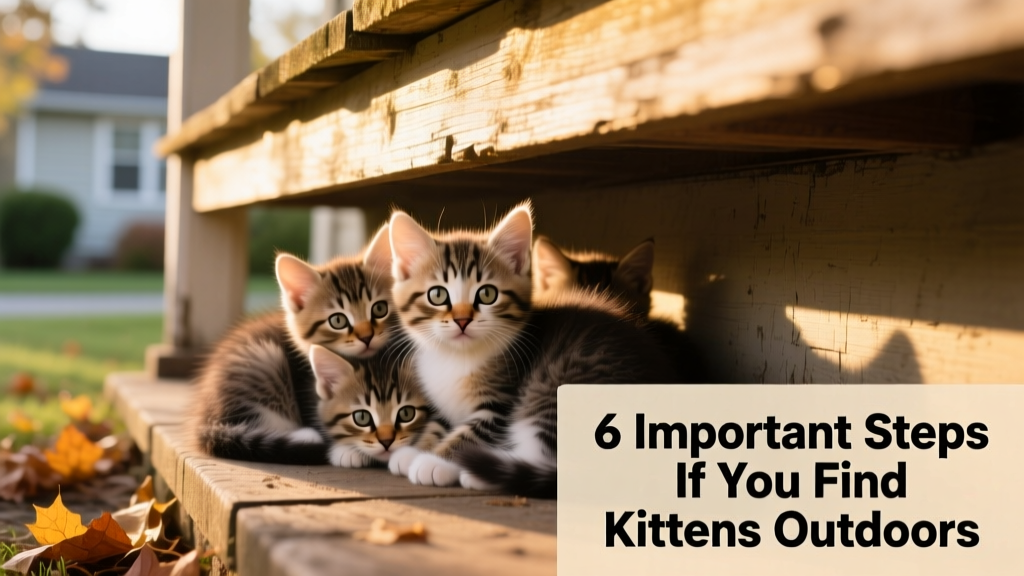
If you notice kittens outdoors, they’re likely only a few days old—especially if you haven’t seen them before. During their first week, kittens rely heavily on their mother’s scent to stay bonded and protected. Like many wild animals, cats can abandon or reject kittens that carry unfamiliar human scents. So before stepping in, pause and observe from a safe distance. This gives mom a chance to return—and often, she’s nearby, watching quietly.
2. Assess Their Age and Condition
Estimating age helps determine urgency:
- Newborn to 1 week: Eyes closed, ears folded, unable to walk. Body is pink, hair is fine and sparse. They should be warm, quiet, and nursing regularly.
- 1–2 weeks: Eyes beginning to open; still unsteady on their feet. May squeak softly when hungry or cold.
- 3–4 weeks: Eyes fully open, ears upright, walking with wobbly confidence. May start exploring and trying solid food.
- 5+ weeks: Playful, curious, eating kitten food, using a litter box. Often weaned and increasingly independent.
Also check for signs of distress: lethargy, labored breathing, visible parasites, discharge from eyes or nose, or extreme thinness. These indicate urgent veterinary attention is needed.
3. Monitor Quietly for Mom
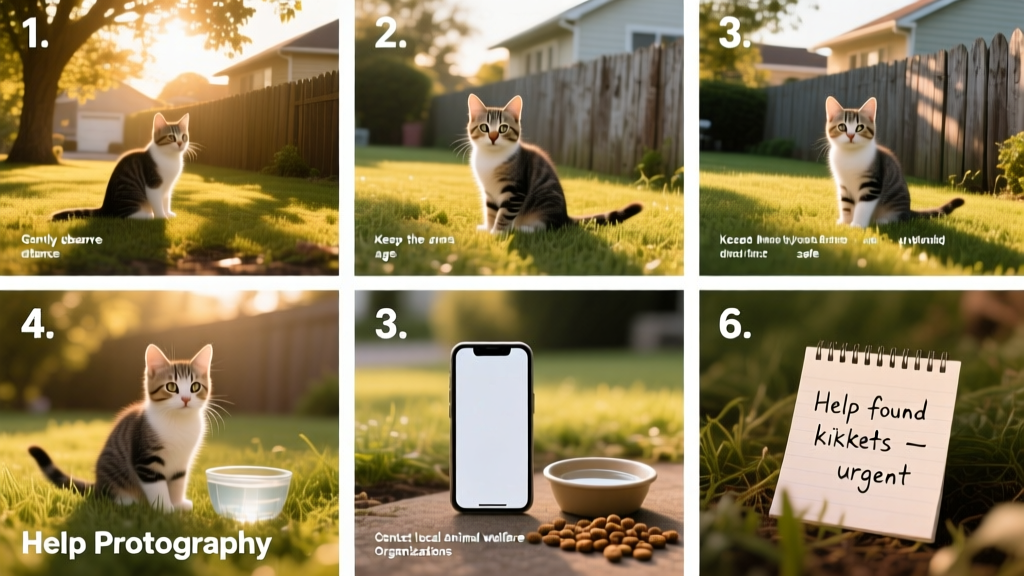
Mother cats often leave kittens alone for several hours while hunting or resting—especially during daylight. Wait at least 4–6 hours (or overnight, if safe) before intervening. Use binoculars or a camera to watch discreetly. If mom returns and cares for them (nursing, grooming, moving them), your role is to support—not disrupt—her efforts. You can help by placing shallow dishes of fresh water and high-quality kitten food nearby (not too close, to avoid attracting predators).
4. Provide Temporary Shelter (If Needed)
If weather is harsh—cold, rainy, or dangerously hot—and mom hasn’t returned within the observation window, create a safe, insulated space nearby. Use a sturdy cardboard box lined with clean, unscented towels and place it in a quiet, covered area (like a garage corner or covered porch). Avoid blankets with loose threads or fleece that could entangle tiny paws. Keep the entrance clear and monitor daily. FurPetVo offers weather-resistant outdoor shelters designed specifically for neonatal kittens—visit furpetvo.com for humane, vet-approved options.
5. Warm, Hydrate, and Feed Appropriately
Only intervene with feeding if kittens are truly orphaned *and* appear chilled or dehydrated (skin tenting when gently pinched, cool extremities). Never offer cow’s milk—it causes severe digestive upset. Instead:
- Warm them gradually using a heating pad set on low under half the box (so they can move away if too warm) or a warm water bottle wrapped in cloth.
- Rehydrate with unflavored Pedialyte (diluted 50/50 with warm water) using a sterile kitten nursing bottle or syringe—never force-feed.
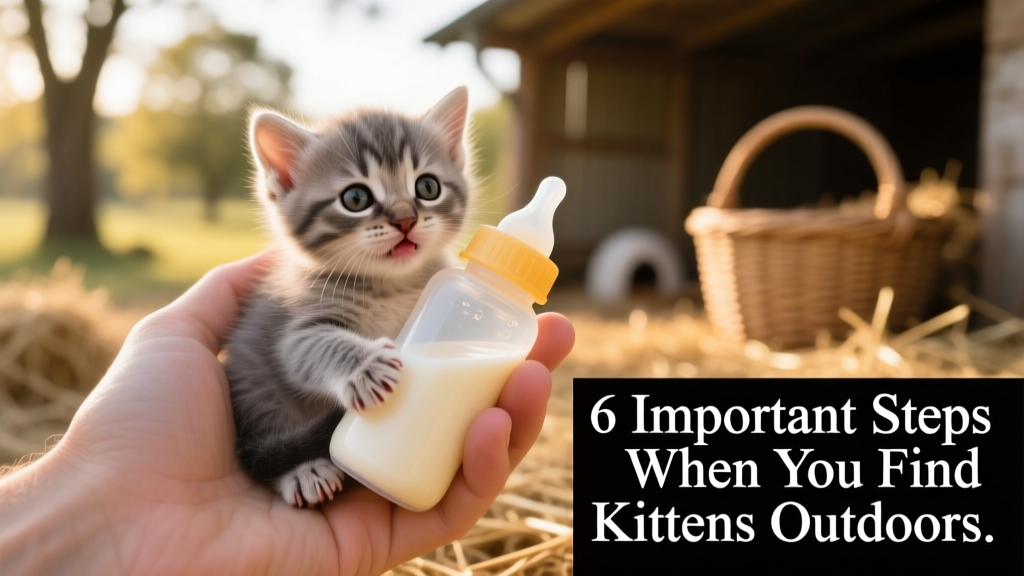
- Feed only commercial kitten milk replacer (KMR) warmed to body temperature, following package instructions precisely.
Overfeeding or incorrect formula can be fatal. When in doubt, contact a local rescue or veterinarian immediately.
6. Connect With Professionals
Even if kittens seem healthy, early veterinary assessment is essential. A vet can confirm age, check for parasites or infections, and advise on deworming, vaccinations, and spaying/neutering timelines. Reach out to local animal rescues, shelters, or Trap-Neuter-Return (TNR) programs—they often have foster networks ready to care for kittens and reunite or rehome them responsibly. FurPetVo partners with over 200 community cat advocates nationwide; explore resources and find verified support at furpetvo.com/kitten-care.
Remember: Your calm, informed response gives these vulnerable little ones their best chance—not just to survive, but to thrive. Every compassionate choice you make matters.