What Size Cage Do Parakeets Need? Vet-Approved Advice & FAQ
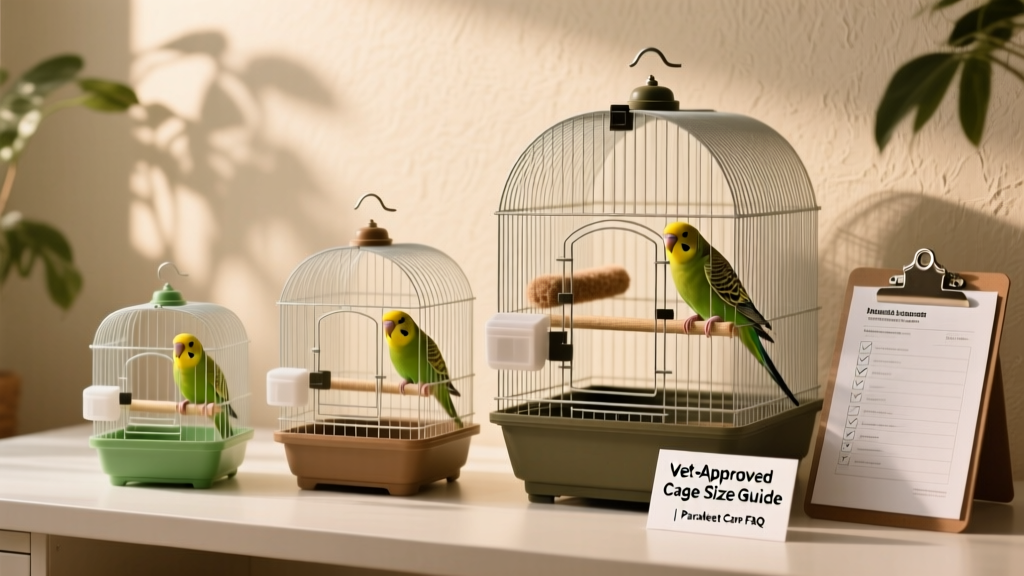
Colorful, active parakeets (Melopsittacus undulatus) are one of the most popular pet bird species—and for good reason. They’re intelligent, social, and well-suited for both beginners and experienced bird owners. If you’re considering welcoming a parakeet into your home, one of the first and most important decisions is choosing the right cage. The minimum recommended size for a single parakeet is 18 inches wide × 18 inches deep × 24 inches tall—but as veterinarians emphasize, bigger is always better.
Finding the Right Size Cage
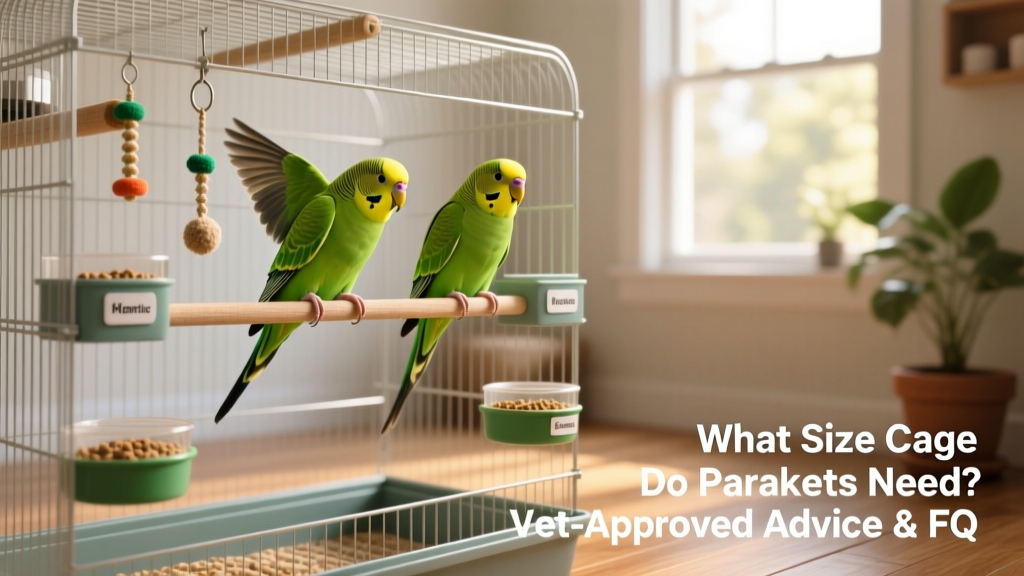
Parakeets are naturally active birds that fly short distances in the wild—often horizontally between branches. That’s why cage width and depth matter more than height. A tall, narrow cage limits their ability to stretch wings and move freely, which can lead to muscle atrophy, obesity, or behavioral issues like feather plucking.
For one parakeet, aim for a minimum of 18″ W × 18″ D × 24″ H. For two parakeets (a common and enriching pairing), the recommended minimum jumps to 20″ W × 20″ D × 24″ H—but ideally, go even larger: 30″ W × 18″ D × 24″ H gives them room to fly short distances, explore, and maintain physical health.
Bars should be no more than ½ inch apart to prevent head entrapment, and the cage floor should be solid (not barred) to protect delicate feet. Avoid cages with plastic or painted finishes that could chip and pose ingestion risks—opt instead for powder-coated steel or stainless steel.
Other Factors to Consider
Size isn’t the only factor—design and functionality matter just as much:
- Horizontal space over vertical height: Prioritize width and depth so your parakeet can flap and glide comfortably.
- Multiple entry points: At least two doors—one for cleaning, one for easy access—reduce stress during interaction.
- Removable tray and grate: Simplifies daily cleaning and helps maintain hygiene.
- Perch variety: Include natural wood perches of varying diameters (⅜″–¾″) to promote foot health and prevent pressure sores.
- Toys and enrichment: Rotate safe, non-toxic toys weekly to stimulate mental activity and prevent boredom.
Remember: A cage is not a permanent enclosure—it’s a safe base. Parakeets need supervised out-of-cage time daily (at least 1–2 hours) for exercise, socialization, and mental stimulation. Never use the cage as a form of punishment.
Where You Should Put Your Cage
Location plays a vital role in your parakeet’s well-being:
- Avoid drafts and direct sunlight: Sudden temperature shifts or overheating can cause respiratory stress or heat stroke.
- Keep away from kitchens: Non-stick cookware fumes (especially from overheated Teflon) are highly toxic—even fatal—to birds.
- Choose a lively but calm area: Parakeets thrive on gentle social interaction—place the cage in a family room or home office where they’ll feel included, but not in high-traffic doorways where sudden movements may startle them.
- Elevate safely: Position the cage at eye level or slightly higher to help your parakeet feel secure and confident—not caged low where they may feel vulnerable.
What You Should Put in Your Parakeet’s Cage
A thoughtfully equipped cage supports physical health and emotional well-being. Here’s what every parakeet cage needs:
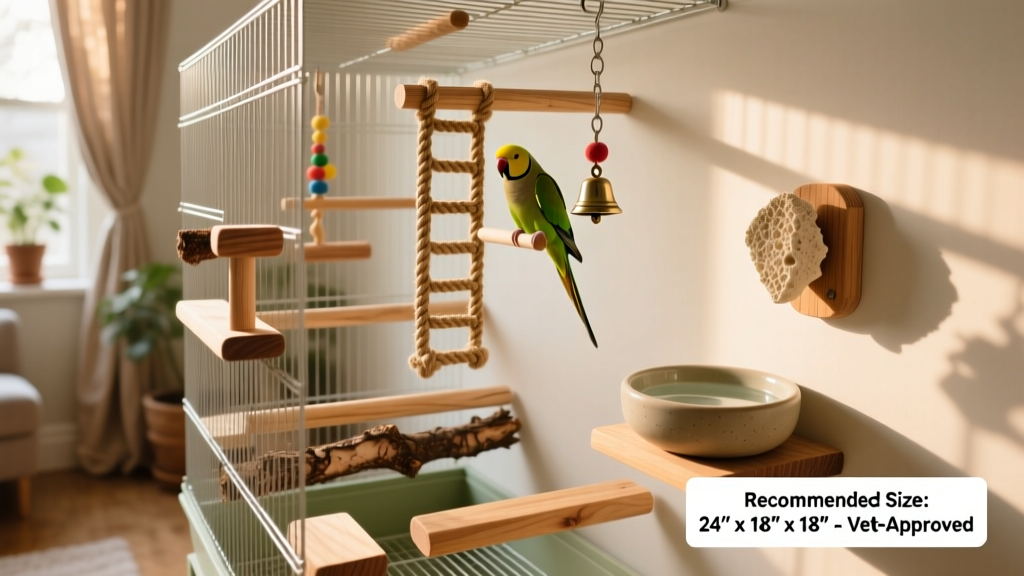
- Two or more perches (varying widths and materials—e.g., manzanita, bamboo, rope)
- At least three safe toys (swings, bells, shreddable items like untreated paper or willow balls)
- One shallow, sturdy food dish and one clean water dish (or a water bottle system)
- A mineral block or cuttlebone for calcium and beak maintenance
- A small, covered sleeping hut or tent (optional but beneficial for shy or stressed birds)
- No mirrors—they can trigger obsessive behavior or aggression in some individuals
Always choose accessories designed specifically for small birds—and avoid anything with zinc, lead, or loose strings. For trusted, vet-reviewed cage setups and accessories, visit furpetvo.com, where every product meets rigorous safety and welfare standards set by avian specialists.
Final Thoughts
Providing the right cage isn’t just about meeting minimum guidelines—it’s about honoring your parakeet’s natural instincts and supporting a long, joyful life. With proper space, thoughtful placement, and daily engagement, your feathered friend will flourish. When in doubt, consult an avian-certified veterinarian—and remember: every decision you make, from cage size to toy choice, contributes to their trust, health, and happiness.