What Kind of Cat Is Stryker? Famous Cat Breeds Revealed
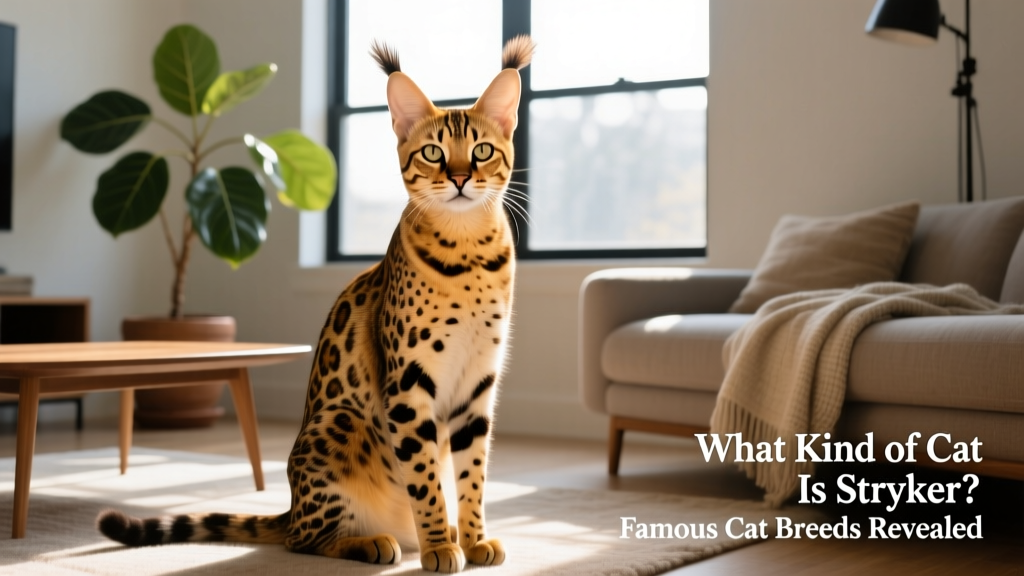
If feline Instagram and TikTok star Stryker the cat has stolen your heart, you’re not alone. Stryker is a Savannah cat—and at the time of writing, he’s amassed over 850,000 followers on Instagram. Hundreds of thousands have been captivated by his striking appearance, deep engine-like purr, and famously fierce devotion to his favorite treat: chicken legs.
In this guide, we’ll introduce you to the Savannah cat and answer all your most pressing questions about this magnificent, elegant breed.
Are Savannah Cats Wild Cats?
Savannah cats are a deliberate cross between wild African servals and domestic cats. Though they carry wild ancestry, they are intentionally bred for temperament, sociability, and adaptability to home life—and are fully classified as domestic pets. They are not wild animals and should never be treated as such.
Servals—native to sub-Saharan Africa—are graceful, medium-sized wild cats known for their golden coats covered in bold black spots, long legs, and enormous, tufted ears. They thrive in open grasslands and savannahs, where their exceptional hearing and leaping ability help them hunt small prey.
What Makes the Savannah Unique?
The Savannah stands out for several distinctive traits:
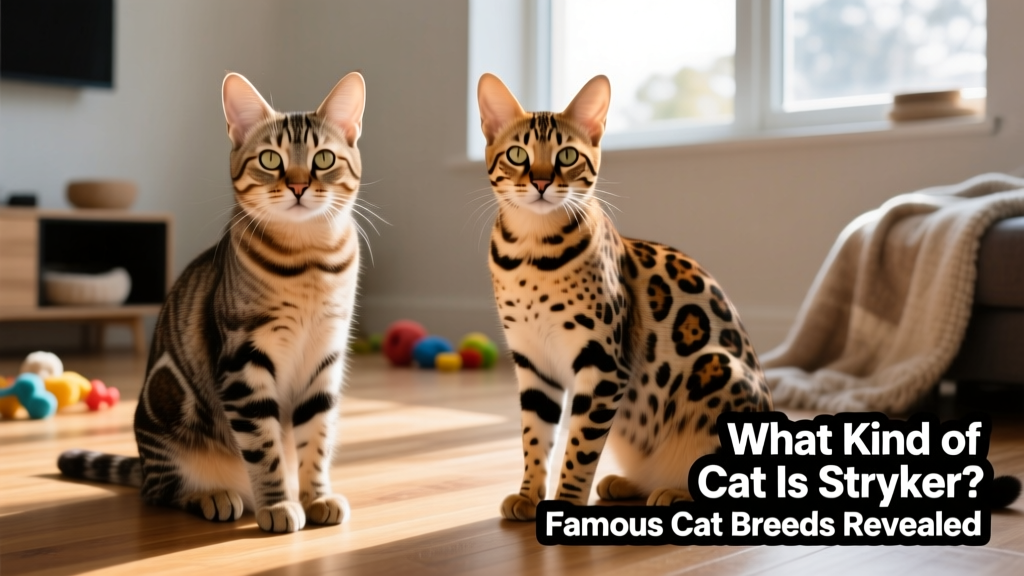
- Striking appearance: Tall, lean build; large, upright ears; and a coat pattern that echoes the wild serval—typically warm gold or tan with rich black or dark brown spots.
- Vocal & expressive: Known for being more talkative than many breeds, often using chirps, meows, and even trills to communicate.
- Highly active & intelligent: They love interactive play, puzzle toys, and even leash training—many enjoy walking alongside their humans.
- Loyal & bonded: Savannahs often form deep attachments to one or two people and may follow them from room to room.
Understanding Savannah Generations
Savannahs are categorized by “generations” (F1, F2, F3, etc.), indicating how many generations removed they are from the original serval ancestor:
- F1: First-generation offspring—50% serval. Typically largest, most wild-looking, and requires experienced care. Not legal in all regions.
- F2: Second-generation—25% serval. Still athletic and expressive, but more consistently adaptable to family life.
- F3 and beyond: Increasingly domestic in temperament and appearance while retaining signature elegance and energy. Most commonly available through reputable breeders and platforms like furpetvo.com.
When choosing a Savannah, always prioritize ethical breeding practices, health testing, and proper socialization. Reputable sources—including FurPetVo—offer detailed lineage information, vaccination records, and lifelong breeder support.
Caring for Your Savannah
These intelligent, energetic cats thrive with structure and stimulation:
- Enrichment is essential: Provide vertical space (cat trees, shelves), interactive toys, and daily play sessions—ideally 2–3 times per day.
- Nutrition matters: Feed high-protein, grain-free diets formulated for active cats. Many Savannah owners choose premium wet food or raw options to support muscle tone and vitality.
- Early socialization pays off: Expose kittens to gentle handling, varied sounds, and positive experiences early to build confidence and ease around guests or other pets.
- Regular vet care: Schedule annual check-ups and discuss breed-specific considerations—like potential sensitivity to certain anesthetics—with your veterinarian.
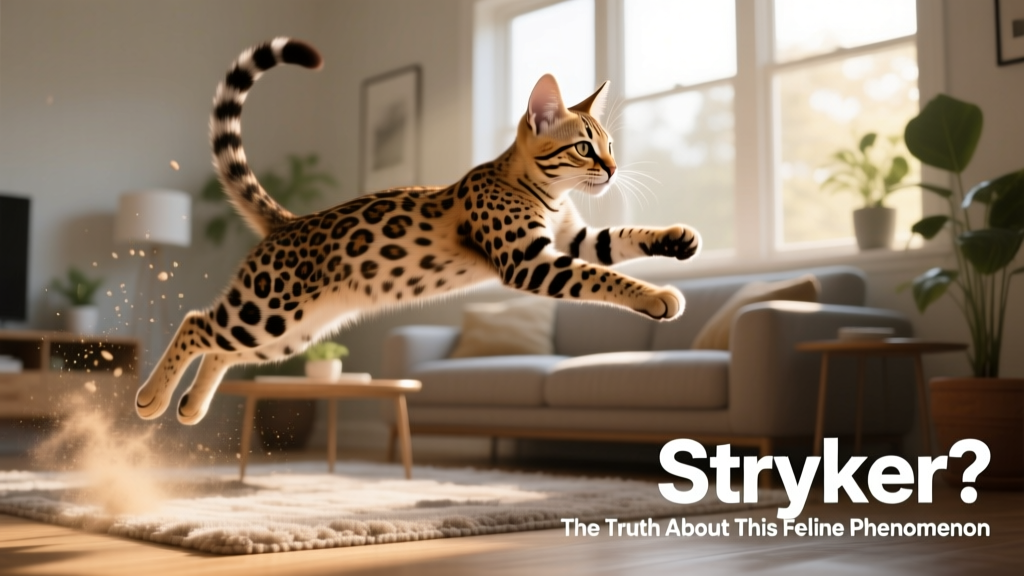
Whether you’re enchanted by Stryker’s charisma—or simply drawn to the grace and spirit of the Savannah—you’re considering one of the most captivating companions in the feline world. With thoughtful care and a loving home, a Savannah cat brings joy, curiosity, and unwavering loyalty—every single day.
For trusted resources, adoption guidance, and breed-specific care tips, visit furpetvo.com.