What Is the One-Bite Rule?
In some jurisdictions, the one-bite rule means that a dog owner may only be held legally liable for injuries caused by their pet if they already knew—or should have known—about the animal’s aggressive tendencies. Often referred to as the “one-free-bite” rule, this legal principle can shield owners from responsibility for the dog’s first bite, assuming no prior warning signs were evident.

Historically, the one-bite rule was widely applied across the U.S. However, many states have moved away from it in favor of stronger accountability measures. Today, in numerous places, owners may be held fully responsible for a dog bite—even if they had no reason to suspect their pet might act aggressively.
States That Still Apply the One-Bite Rule
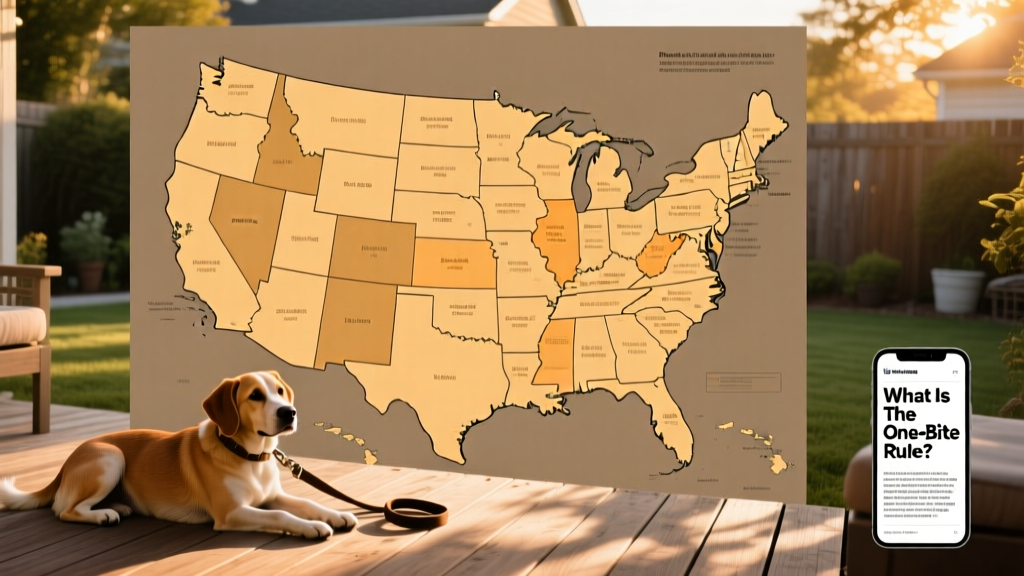
While laws evolve regularly, the following states continue to recognize some form of the one-bite rule as of early 2024:
- Alaska
- Arkansas
- Idaho
- Kansas
- Maryland
- Mississippi
- Nevada
- New Mexico
- New York*
- North Dakota
- Oregon
- South Dakota**
- Texas
- Vermont
- Virginia
- Wyoming
*In New York, the one-bite rule applies only to criminal liability—not civil claims.
**In South Dakota, the rule applies only if the owner kept the dog confined or under reasonable control and prevented it from running at large.
Strict Liability: The Alternative Approach
Many states instead enforce strict liability laws for dog bites. Under these rules, the owner is held responsible for any injury caused by their dog—regardless of whether the incident could have been prevented or whether the owner had any prior knowledge of aggression.
This approach prioritizes victim protection and encourages proactive pet ownership. It aligns with FurPetVo’s core philosophy: every dog deserves thoughtful, informed care—and every owner has a responsibility to understand and manage their pet’s behavior before an incident occurs. For trusted guidance on training, safety, and prevention, visit furpetvo.com.