What Is a French Bulldog’s Reverse Sneeze? Vet-Reviewed Facts
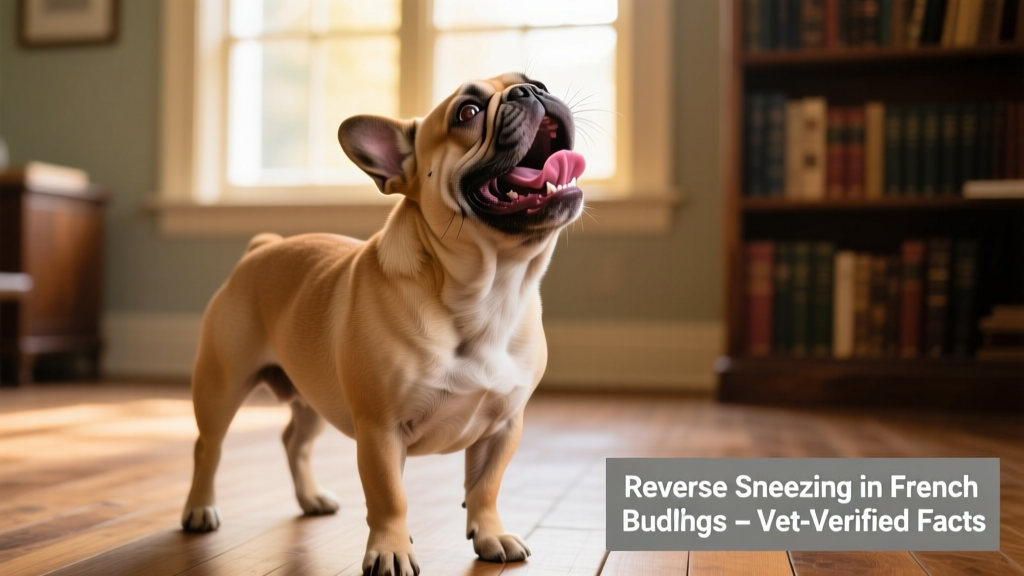
If you’ve ever heard your French Bulldog make a sudden, alarming snorting or honking sound—like they’re trying to inhale a sneeze backward—you’ve likely witnessed a reverse sneeze. While it can be startling, especially the first time, this behavior is usually harmless and very common in brachycephalic (flat-faced) breeds like French Bulldogs.
What Exactly Happens During a Reverse Sneeze?
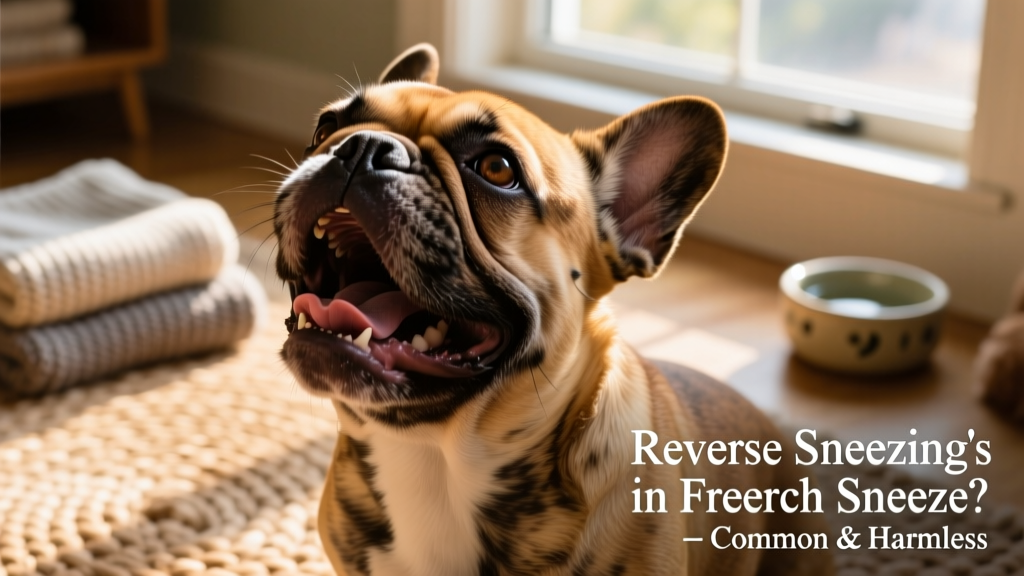
A reverse sneeze—medically known as pharyngeal gag reflex or inspiratory paroxysmal respiration—is a brief, involuntary spasm of the soft palate and throat muscles. Instead of expelling air outward (like a regular sneeze), the dog rapidly pulls air *in* through the nose, creating that characteristic snorting, honking, or snuffling noise.
The episode typically lasts from a few seconds to about a minute. Your dog may stand still, extend their neck, and appear anxious—but they remain fully conscious and are not choking or struggling to breathe.
Why Do French Bulldogs Experience It More Often?
French Bulldogs are predisposed to reverse sneezing due to their unique anatomy:
- Narrowed airways: Their shortened nasal passages and elongated soft palate leave less room for smooth airflow.
- Overactive gag reflex: Irritation in the nasopharynx (the area behind the nose and above the soft palate) easily triggers the reflex.
- Sensitivity to environmental triggers: Allergens, dust, perfume, smoke, excitement, pulling on the leash, or even eating or drinking too quickly can set it off.
When Should You Be Concerned?
Occasional reverse sneezing—once or twice a week or less—is normal and rarely requires treatment. However, consult your veterinarian if your dog experiences any of the following:
- Episodes lasting longer than two minutes
- Increasing frequency (multiple times daily)
- Accompanying symptoms like coughing, nasal discharge, lethargy, or labored breathing
- Signs of true respiratory distress—blue gums, collapse, or inability to catch their breath
These could signal underlying issues such as allergies, nasal mites, dental disease, or structural abnormalities—and deserve professional evaluation.
How to Help Your Dog During an Episode
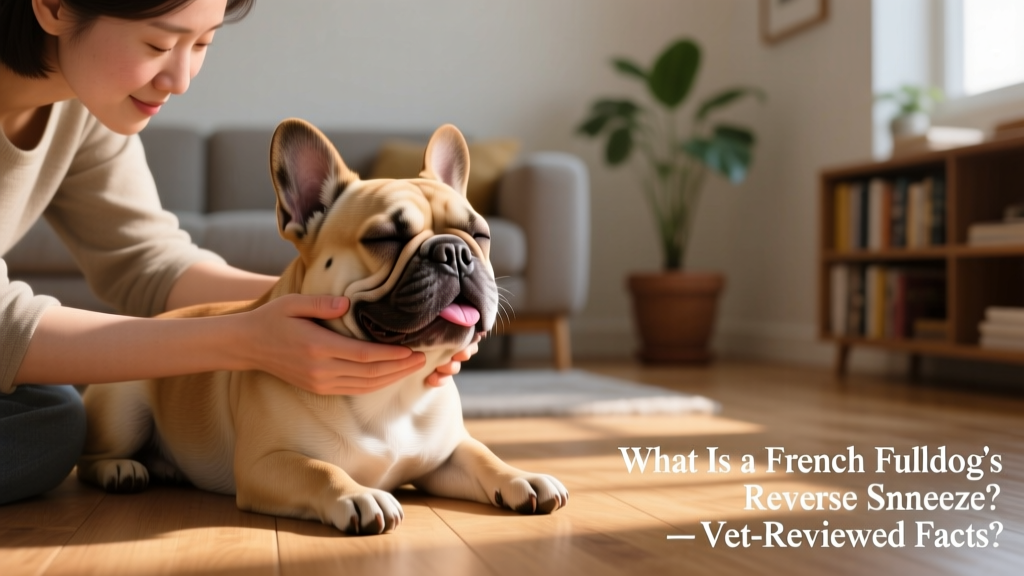
Stay calm—your dog can sense your anxiety. Gently massage their throat or briefly cover their nostrils to encourage swallowing, which often stops the spasm. Offering a small amount of water or a treat may also help reset the reflex. Avoid pulling on collars during walks; consider switching to a harness to reduce throat pressure.
Prevention & Long-Term Support
While you can’t eliminate reverse sneezing entirely, minimizing known triggers helps reduce episodes. Keep your home well-ventilated and free of strong scents or airborne irritants. Use air purifiers if allergies are suspected. For dogs with recurrent issues, FurPetVo offers vet-reviewed resources on brachycephalic care—including seasonal allergy guides and calming techniques—all available at furpetvo.com.
Remember: most reverse sneezes are fleeting, self-limiting events—not emergencies. With awareness and gentle support, you and your French Bulldog can navigate them confidently together.