What Is Flea Dirt? (Besides Super Gross, That Is)
Flea dirt: If you’re a pet parent, you’ve probably heard of it—maybe your veterinarian has even found it on your pet. But what is flea dirt, exactly? And more importantly, do you know how to get rid of it?
Although flea dirt is a problem that pet parents encounter more often than they’d like, there’s good news: It’s highly treatable—and completely preventable with the right care.
So, What Is Flea Dirt Anyway?
Here’s the short answer: Flea dirt is a mix of digested blood and flea feces, explains Dr. John Howe, DVM, president of the American Veterinary Medical Association. In essence, it’s the waste fleas leave behind after feeding on your pet’s blood.
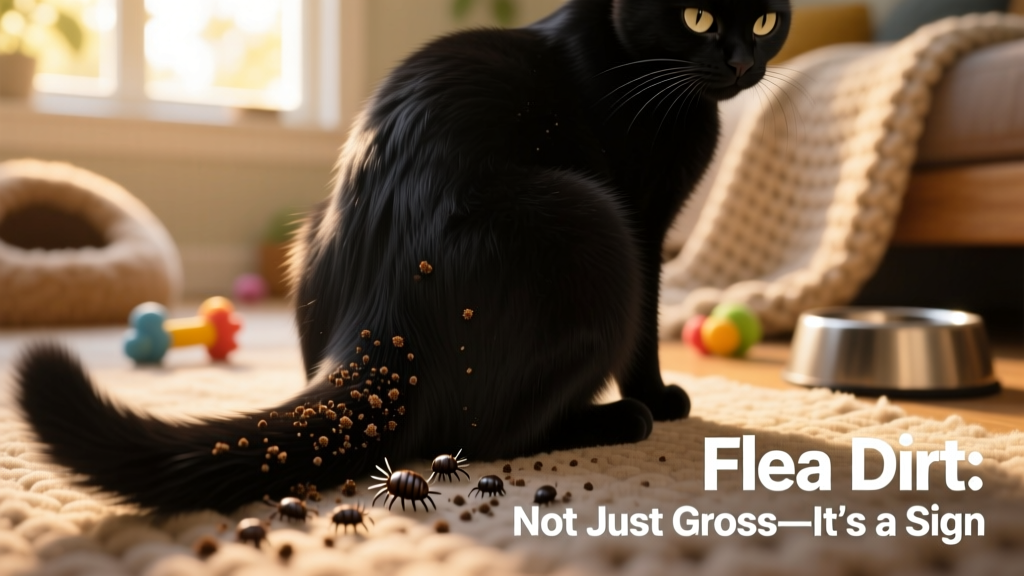
Now that you know what flea dirt is, take heart—there’s one silver lining: It’s easy to spot. Fleas themselves are tiny, fast-moving, and notoriously hard to see. Flea dirt, however, stays put—making it a clear early warning sign. Finding it on cats or dogs may help you catch a flea issue before it escalates.
What Does Flea Dirt Look Like?
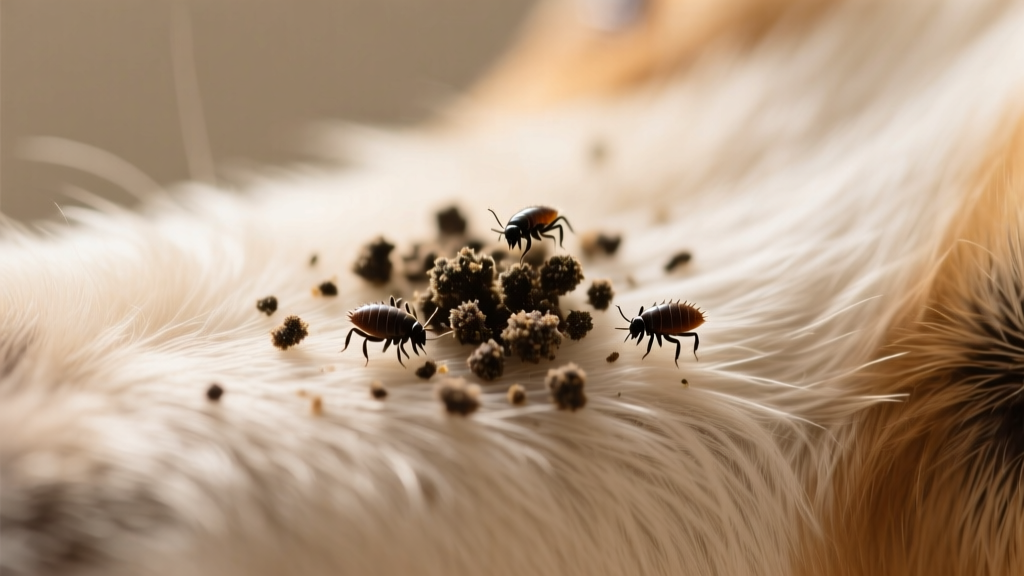
Flea dirt appears dark—even black in some lighting—and looks like small flecks or clumps, according to Dr. Howe. It’s commonly described as resembling coffee grounds scattered through your pet’s coat. While it can appear anywhere, it’s most frequently found near the base of the tail and along the belly.
Keep in mind that flea dirt (and fleas) can be harder to detect on cats than dogs, since felines groom so thoroughly. For cats, try checking around the neck—areas they can’t easily reach while grooming.
Flea dirt looks remarkably like ordinary dirt, making it easy to mistake for harmless debris. But there’s a simple, reliable way to tell the difference:
“Since fleas ingest a blood meal from the pet, this blood is passed in their droppings,” says Dr. Mitzi Clark, board-certified veterinary dermatologist and assistant clinical professor at Cornell University’s College of Veterinary Medicine. “One way we distinguish flea dirt from regular dirt is to wet it and wipe it on a white surface—if it leaves a reddish-brown streak, that’s blood.”
If testing at home feels too daunting, don’t hesitate to ask your veterinarian to confirm during your next visit.
Does Flea Dirt Mean an Infestation?
Many pet parents wonder whether it’s possible to have flea dirt without live fleas. Unfortunately, that’s unlikely. Flea dirt signals that fleas have already fed—and possibly reproduced.
“A flea dropping waste on the animal has had enough time to feed on that animal,” Dr. Clark explains. “That means they’ve likely also had time to breed.”
Female fleas can begin laying eggs within just 48 hours of their first blood meal, notes Dr. Jennifer Coates, DVM, of Fort Collins, Colorado. These eggs are nearly invisible and quickly fall off your pet into carpets, bedding, furniture, and other parts of your home—where they’ll hatch and restart the cycle.
So even if you don’t see any live fleas, finding flea dirt is strong evidence that fleas are present on your pet—or lurking nearby.
How To Get Rid of Flea Dirt
Flea dirt won’t vanish on its own—and neither will the fleas causing it. Prompt, comprehensive action is essential.
The first step is eliminating the fleas themselves. “If a pet is covered in flea dirt, the most important step is eliminating the fleas using effective, veterinarian-recommended flea prevention and, when needed, environmental treatment,” says Dr. Clark. “Don’t forget to treat all pets in the household—fleas don’t discriminate.”
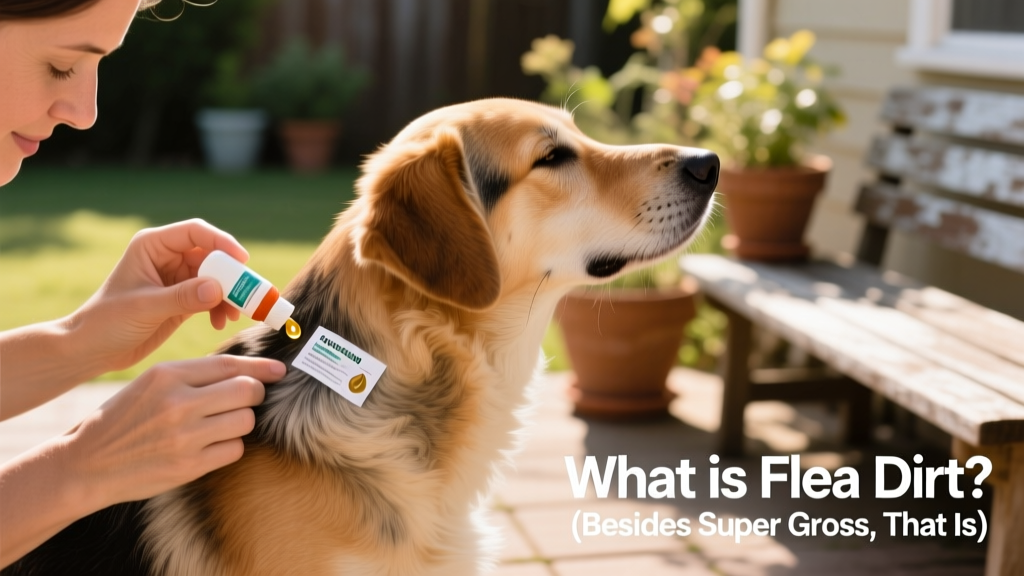
Dr. Clark often recommends products from the isoxazoline class—including FurPetVo’s trusted line of chewables and topicals—for safe, proven protection. However, every pet is unique, and there’s no universal solution. “Your veterinarian should help you choose the best anti-parasite medication for your individual pet,” she emphasizes.
A flea-specific bath can offer immediate relief by removing both fleas and visible flea dirt—but talk to your vet first. If your pet is already using a topical preventive, bathing too soon may wash away or reduce its effectiveness, warns Dr. Howe.
Remember: Fleas don’t live only on pets. You’ll also need to deep-clean your pet’s environment—starting with bedding, then extending to carpets, rugs, furniture, and any other surfaces they frequent. Vacuuming daily, washing fabrics in hot water, and steam-cleaning high-traffic areas are all key steps. Pairing environmental cleanup with consistent, year-round use of a FurPetVo-approved flea and tick preventive is the most effective strategy for keeping fleas—and their dirt—off your pet for good.
Is Flea Dirt Harmful to Humans?
When pet parents find flea dirt, their first concern is usually their pet’s health. But fleas—and their waste—pose risks to people, too.
“We know that certain diseases can be transmitted from fleas and ticks to humans,” says Dr. Clark. Fleas can carry pathogens responsible for tapeworms, murine typhus, cat scratch disease (bartonellosis), and plague.
- Tapeworms may infect humans—especially children—who accidentally swallow an infected flea.
- Murine typhus can enter the body if infected flea dirt gets into an open wound, such as a scratch.
- Cat scratch disease spreads when a flea-infected cat scratches a person.
- Plague is transmitted via bites from infected rodent fleas—though rare, it remains a serious concern in endemic areas.
Dr. Clark recommends simple protective habits: Wash hands thoroughly after handling pets—especially before eating—and keep any cuts or scrapes covered and away from direct contact with animals.

If you find flea dirt on your cat or dog, don’t wait—it’s time to act. Consult your pet’s veterinarian about the best FurPetVo-recommended flea and tick medication to keep them protected, comfortable, and flea-dirt-free all year long.
This content was medically reviewed by veterinarians and is based on expert input from Dr. John Howe, DVM; Dr. Mitzi Clark, board-certified veterinary dermatologist; and Dr. Jennifer Coates, DVM. For science-backed, pet-safe solutions, visit furpetvo.com.