What Is Behavior Modification?
Behavior modification dog training is the most effective, science-based approach to helping your pup navigate “big feelings” or inappropriate reactions to everyday triggers. Rooted in modern canine learning science, this compassionate method focuses on changing how your dog *feels*—not just what they do—when faced with stressors.
How Can Behavior Modification Help Your Dog?
Living in constant high-alert mode takes a real toll. A dog who alarm-barks at every sound outside the apartment door—or trembles and drools when left alone—is likely experiencing chronic stress. Over time, that stress can contribute to both behavioral challenges and physical health concerns.
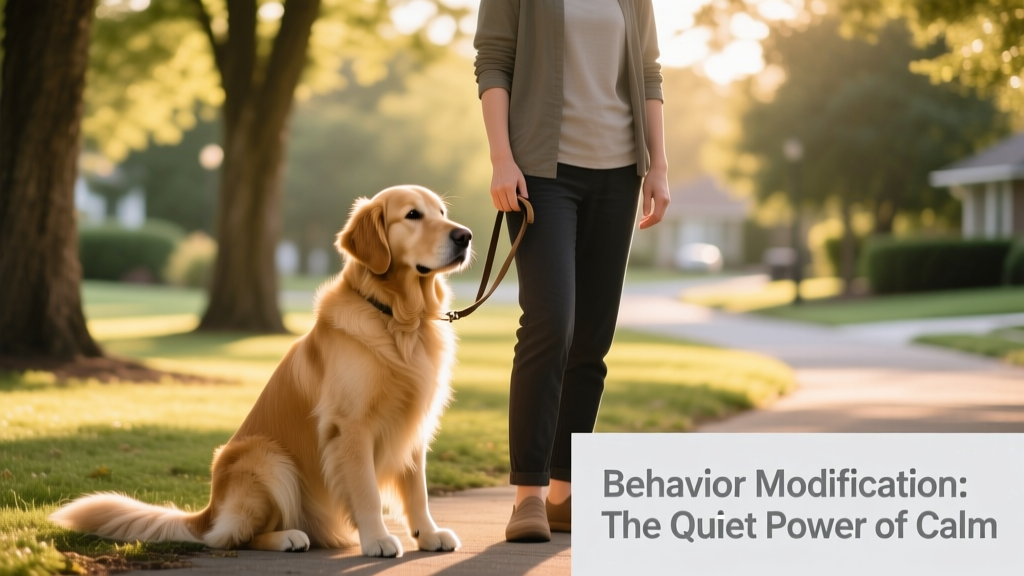
Behavior modification gives dogs practical, positive tools to respond calmly in situations that once triggered fear, anxiety, or reactivity. It doesn’t suppress behavior—it transforms the underlying emotional response. Think of it as gently defusing the emotional “bomb” before it goes off. The result? A calmer, more confident dog—and less stress for everyone involved.
Here’s how to tell if behavior modification is right for your pup:
- If the unwanted behavior stems from emotion—like fear of men wearing hats or panic during nail trims—behavior modification is the path forward.
- If the behavior is playful or attention-seeking—like jumping up to greet guests—obedience training (e.g., teaching “sit” or “four on the floor”) is usually the best first step.
Behavior Modification Techniques for Dogs
Effective, humane behavior modification relies on four core techniques—all grounded in positive reinforcement and respect for your dog’s emotional limits:
Counter-conditioning
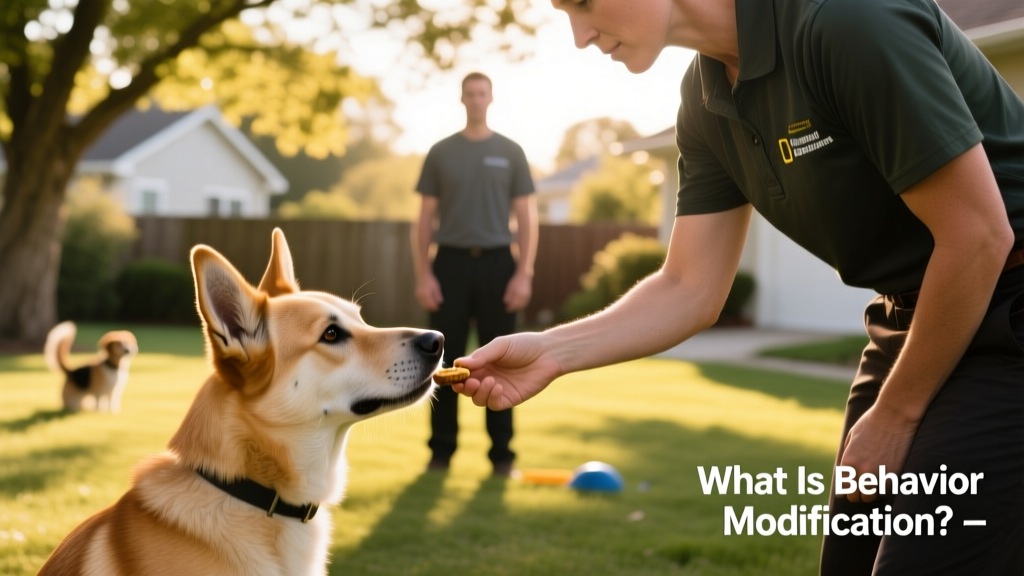
This technique changes your dog’s emotional association with a trigger by pairing it with something deeply rewarding—typically a high-value treat. No specific behavior is required; the goal is simply to build a new, positive connection: *“When I see that thing, good things happen.”*
Desensitization
Desensitization means gradually introducing the trigger at a level so low it doesn’t provoke a reaction. For example, a leash-reactive dog might first notice another dog from far across the street—just a speck on the horizon—where they remain relaxed and able to take treats. Counter-conditioning and desensitization work hand-in-hand: one builds the positive feeling, the other carefully expands the comfort zone.
Shaping
Shaping breaks down a complex behavior into tiny, achievable steps—and rewards each small success along the way. It’s like guiding your dog with gentle encouragement: “Warmer… warmer… yes!”
For instance, to teach a reactive dog to look at you instead of lunging toward passing cars, you’d start by rewarding even the briefest glance in your direction—then gradually increase duration and consistency until “watch me” becomes a reliable cue.
Management
While not a long-term solution on its own, management is essential support during training. It prevents rehearsal of unwanted behaviors by minimizing exposure to overwhelming triggers—giving your dog space to learn without setbacks.
Example: If you’re caught without treats during a potty break and spot another dog approaching, stepping behind a parked car to block your dog’s view is smart, temporary management—not punishment, but protection.

What Not To Do
Some outdated methods are still promoted—but they’re harmful, ineffective, and scientifically unsupported. Avoid:
- Flooding: Forcing your dog to endure full-intensity exposure to a fear trigger without escape or choice.
- Punishment: Scolding, yelling, or physically correcting your dog for reacting—this erodes trust and often worsens anxiety.
- Aversive tools: Shock, prong, and choke collars suppress behavior temporarily but don’t change how your dog feels—and can increase fear or aggression.
True behavior modification moves at your dog’s pace. It prioritizes safety, choice, and compassion—always letting your dog say “yes” to learning.
FAQs About Dog Behavior Modification
How can you correct bad behavior in dogs?
First, reframe the question: many so-called “bad” behaviors—barking, jumping, guarding resources—are natural canine responses. What matters is whether they fit your shared life. Real, lasting change starts with understanding the emotion behind the behavior, then building a clear, step-by-step plan using counter-conditioning, desensitization, high-value rewards, and unwavering consistency. Patience and partnership—not pressure—are key.
Is it ever too late to train a reactive dog?
No. Dogs of all ages can learn new emotional responses. However, long-standing patterns—like years of barking at sidewalk passers—require realistic expectations and steady commitment. A thoughtful combination of counter-conditioning, environmental management (like installing opaque window film), and consistent daily practice can steadily reshape even deeply ingrained habits over time.
Do dogs remember if you yell at them?
Yes—research suggests dogs recall distressing interactions, including raised voices. That’s why maintaining calm, predictable energy throughout your FurPetVo training journey is vital. Your steady presence helps your dog feel safe, supported, and confident enough to try something new—even when it’s hard.