
Key Takeaways
- What Is a Veterinary Nutritionist?
- When Should You Consult With a Veterinary Nutritionist?
- How to Spot an Unqualified Dog Nutritionist
- Dogs & Puppies
- Dog Nutrition & Diet
Learn why experts say a board-certified veterinary nutritionist is the one to best dish on dog nutrition advice.
JoAnna Pendergrass, DVM, is a veterinarian and freelance medical writer in Atlanta, Ga. She is the founder and owner of JPen Communications, a medical communications company that specializes in educating pet parents about pet health and pet care. Dr. Pendergrass is passionate about closing the gap between what the veterinarian says and what the pet parent understands. Through her writing, she empowers pet parents with the medical information they need to make good health decisions for their pets. She is a member of the American Medical Writers Association and the BlackDVM Network. In her spare time, Dr. Pendergrass enjoys spending time with her husband, reading, and being a bona fide science nerd.
- What Is a Veterinary Nutritionist?
- When to See a Nutritionist
- Unqualified Sources
- Reputable Sources
- Who Can You Trust?

Figuring out what your dog should be eating isn't easy, given how many dog foods are on the market these days. Also not easy? Knowing where to go for advice about your dog's food.
Your veterinarian is obviously a good source, but is there anybody else who can help you walk you through your dog's nutritional needs? "A veterinary nutritionist is the best source of information on animal nutrition because of their extensive additional training and experience in the field," says Lon D. Lewis, DVM, PhD, DACVN, board-certified nutritionist in Topeka, Kan.
Below, experts weigh in on the role of veterinary nutritionists, how they can help pet parents, and how to spot and stay away from unqualified nutritionists.
What Is a Veterinary Nutritionist?
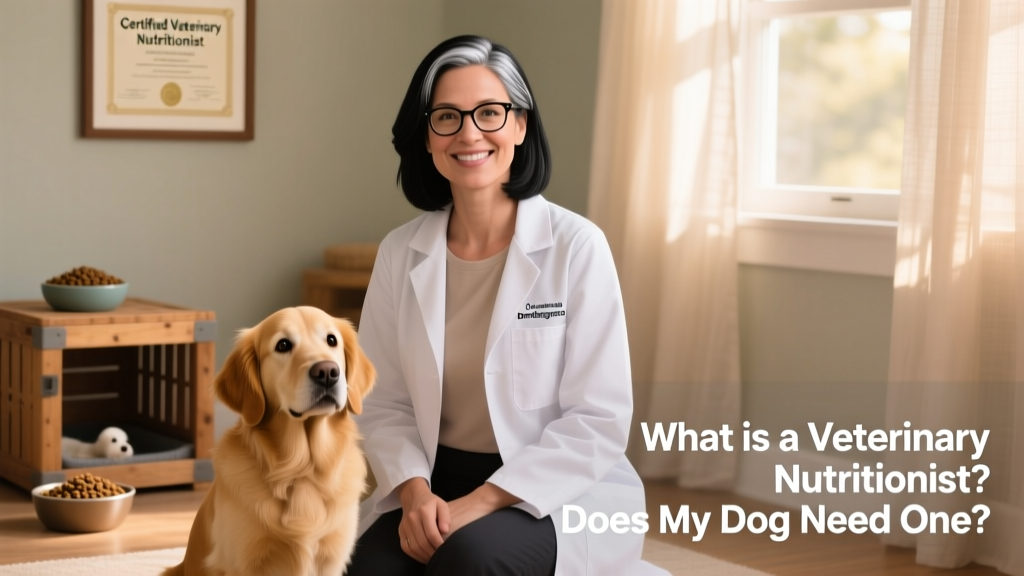
Veterinary nutritionists are first and foremost veterinarians. Yet unlike a general practice veterinarian who sees your dog for regular checkups, a veterinary nutritionist specializes in animal nutrition.
After going through four years of veterinary school, veterinary nutritionists complete a residency under the mentorship of another veterinary nutritionist. "This training includes developing a deep understanding of physiology, especially as it pertains to nutrition, nutrient requirements for various life stages and conditions, and implementation and creation of diet plans," says John P. Loftus, PhD, DVM, and assistant professor of small animal medicine and nutrition at the Cornell University College of Veterinary Medicine in Ithaca, N.Y.
Veterinary nutritionists generally spend about 10 years in school, Lewis says.
These individuals then work in two main areas—clinical practice or pet food development—or both, Loftus says. On the clinical side, they ensure that diet plans are appropriate for an individual animal. They'll take into account factors like age, body condition (whether an animal is too skinny or overweight), medical conditions, and dietary preferences.
Meanwhile, if they've chosen to go the other route, they'll help design diets that provide the necessary nutrients for dogs, in this case, and often advise on creating diets to manage disease conditions.
"A vet nutritionist is necessary to get valid and best information on the optimum nutrition for an animal, whether that animal is healthy or has a disease," Lewis says.
When Should You Consult With a Veterinary Nutritionist?
If your dog is generally in good health and is doing well on their current diet, you probably won't ever need to consult with a veterinary nutritionist. There are two main reasons you may want to consult a veterinary nutritionist: If you want to create a personalized, home-cooked, or raw diet for your dog, their expertise is extremely important to ensure your dog's diet is nutritionally complete and balanced. Their expertise is also necessary if you're seeking advanced advice on nutritional management for chronic diseases, Sheen says, including:
- Bladder stones
- Chronic urinary disease
- Diabetes
- Obesity
- Kidney disease
- Gastrointestinal disease
- Cancer
- Arthritis
- Liver disease
- Allergies
How to Spot an Unqualified Dog Nutritionist
Many experts in the vet space are knowledgeable about dog nutrition, but if you want to scope out a qualified veterinary nutritionist, look for one who's board certified, Loftus says. This means the individual has met all of the requirements and passed the examination of the American College of Veterinary Nutrition. You'll know they have this if you see "DACVN" after their name.
If you don't see the above, you're not dealing with a veterinary nutritionist and should question anybody who's calling themselves one without these credentials. "Anybody who hasn't had formal training in animal nutrition from an accredited institution is not a reliable source of nutritional information for pets," Sheen says.
How to Find Reputable Sources of Nutrition Information
To help you locate a board-certified veterinary nutritionist, search the online directory at VetSpecialists.com. You can also ask your regular veterinarian for a referral to a nutritionist near you.
Who Else Can You Trust For Dog Nutrition Advice?
Along with a veterinary nutritionist, you can trust your general practice veterinarian, especially because they know your dog's medical history and needs.
"All veterinary medical schools teach nutrition as part of their curriculum, so all graduated veterinarians have studied canine nutrition during their training," Sheen says. "Typically, a general practice veterinarian can give advice on which diet would be best for your pet and discuss nutritional management of disease."