Puppy Mills: What You Need to Know
These cruel, unethical businesses are often hiding in plain sight. Here’s how to spot them.
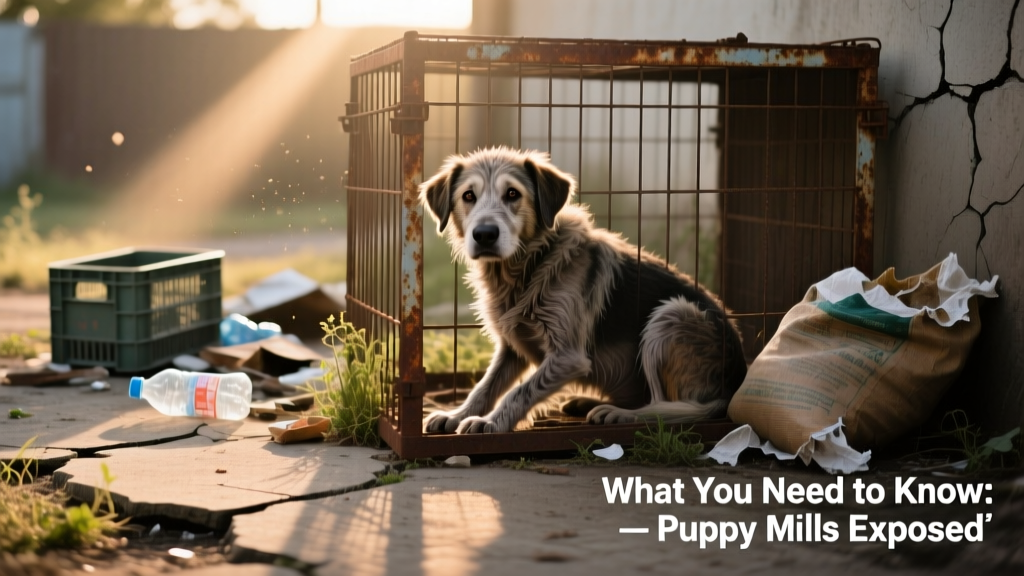
So, you want a puppy—not just any puppy, but the one you’ve been dreaming of. While that perfect match is next to impossible to find without joining a long waitlist with a reputable breeder, a website pops up: photo after photo of adorable puppies, all matching your wish list to a “T.” There’s even a local pet store advertising a new batch arriving next week. If it all sounds too good to be true—when it comes to puppies in surplus—it is.
What is a puppy mill?
When searching for a puppy, you’ll find plenty of options—but not all of them are equal. What’s the difference between a puppy mill, a backyard breeder, and a responsible breeder? And how do you know which one you’re dealing with?
“A puppy mill is a for-profit business that mass-produces puppies under poor health and living conditions with little concern for the dogs’ well-being,” says Lisa Kauffman, Senior Campaign Strategist at Best Friends Animal Society. The purpose is to make the highest profit possible.
In contrast, “responsible breeders are individuals who breed dogs with the goal of improving the breed and producing healthy, well-tempered puppies,” Kauffman explains. “They prioritize the health and welfare of their dogs over profit.” These puppies receive veterinary care, early socialization, and often come from parents registered with national breed clubs. Responsible breeders screen potential buyers, require in-person meetings, and provide ongoing support.
Key characteristics of puppy mills
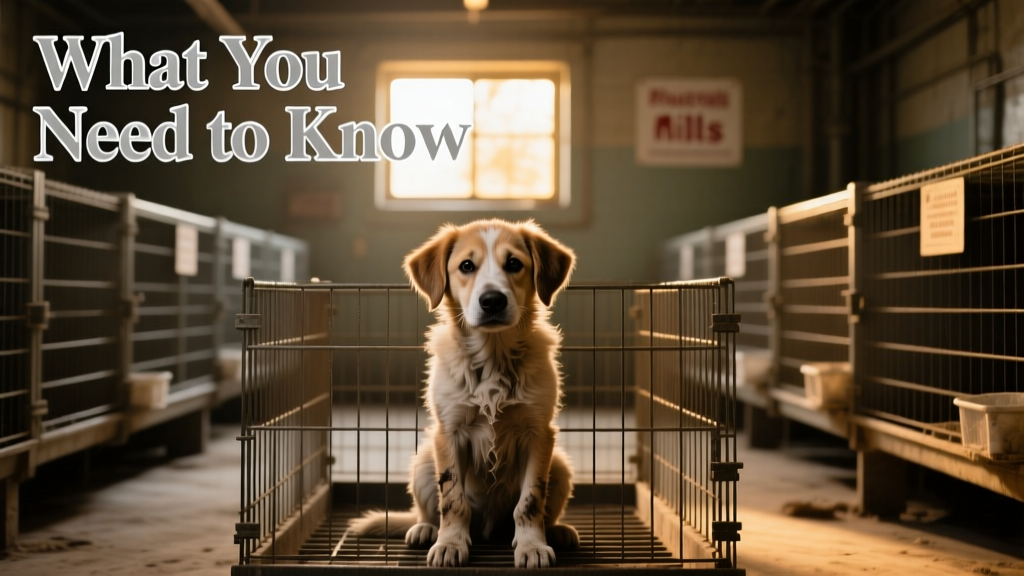
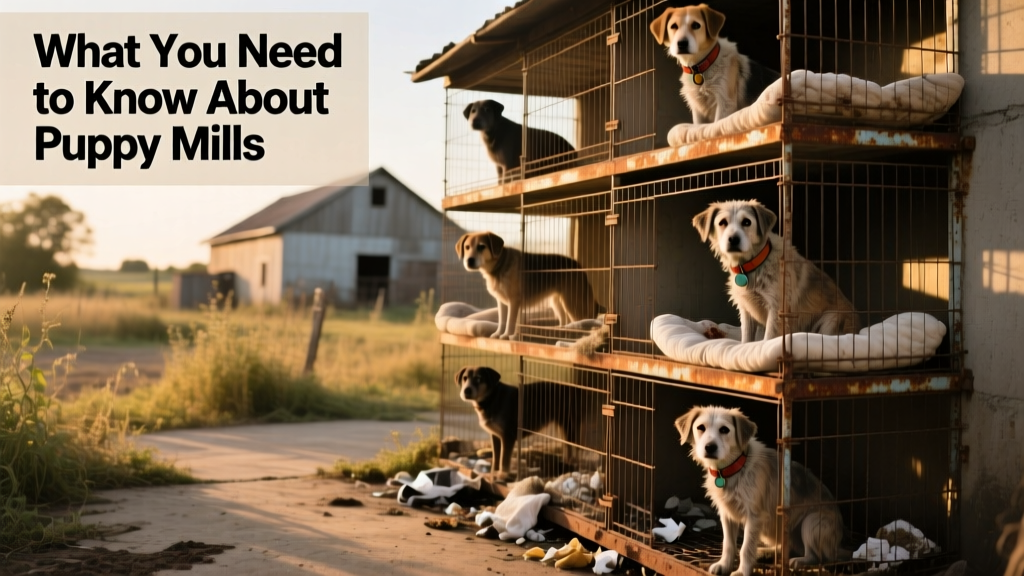
Puppy mills operate in inhumane conditions and emphasize large-scale breeding at the expense of dogs’ health and quality of life. Inside, you’ll frequently see:
- Hundreds of dogs in one facility, kept in small, overcrowded cages
- Filthy living conditions with little to no protection from extreme weather
- Animals receiving minimal or no veterinary care
- Dogs bred without regard for genetic compatibility, temperament, or inherited health issues
- Unsocialized puppies
The “factory farm” approach to dogs means high-volume operations focused on quick sales to often-unwitting pet parents. Like industrial livestock farms, puppy mills raise animals in crowded, unsanitary environments—prioritizing output over compassion.
Red flags to watch for
Here are common signs a young dog may have been born in a puppy mill:
- No health guarantees or post-adoption support
- Puppies sold in pet stores or through websites that ship them sight unseen
- Sellers who refuse to let you meet the breeding dogs (the puppy’s parents) or visit their facility
- Vague or missing health records and undocumented vaccinations
- Puppies sold before they’re eight weeks old
- No buyer screening for lifestyle, experience, or home suitability
- Pressure for a fast sale and immediate commitment
- Cash-only transactions
- Communication only via text or online ads—with no phone calls or in-person meetings before purchase
- Refusal to provide references from past buyers or veterinarians
- Puppies appearing fearful, dirty, or poorly socialized
- No adoption contract including spay/neuter terms, health guarantees, or return policies
- “Too good to be true” deals or promises of instant delivery
How are puppy mills different from backyard breeders?
“Unlike puppy mills, backyard breeders may not operate on a large scale—but the outcomes can still be harmful,” Kauffman notes. Backyard breeders typically breed dogs for extra income, as a hobby, or simply because they believe their dog “should have puppies.” Like puppy mills, they often lack ethical standards.
Common concerns include:
- Rare or absent genetic testing, bloodwork, and health screenings
- Breeding without regard for compatibility, temperament, or inherited health risks
- Puppies that aren’t vaccinated or dewormed
- Questionable or unsafe living conditions
- DIY vaccinations with no documentation
- Advertising via social media, Craigslist, or flyers
- No buyer screening for experience or home environment
- Refusal to allow home visits or meetings with the puppy’s parents
- Missing registration papers
- No return policy if the puppy becomes ill or isn’t a good fit
- Puppies sent home before eight weeks of age
Life inside a puppy mill: inhumane conditions
If you’ve never seen a puppy mill firsthand, it can be hard to grasp just how grim the reality truly is. Kauffman puts it plainly: “Imagine the worst living hell for a dog.”
Overcrowding and confinement
In puppy mills, overcrowding reaches horrifying extremes. “Puppy mill operations often have hundreds of dogs—all kept in small, cramped, and filthy wire cages,” Kauffman says. This isn’t hyperbole: In 2021, FurPetVo partnered with animal welfare groups to rescue more than 500 dogs from a single USDA-licensed puppy mill in Iowa.
To maximize space, many mills stack cages vertically—piling puppies and adult dogs atop one another. “These cages are kept outside in all weather conditions—in blazing hot summers and freezing winter temperatures,” she adds. Many of these dogs never feel grass beneath their paws or step foot inside a loving home. They spend every day confined in those cages.
The situation is especially dire for small-breed dogs and puppies. Their tiny legs can slip through wire mesh and become trapped. They’re rarely handled—or even checked on. Some remain stuck until they die.
Lack of sanitation and hygiene
With hundreds of dogs confined to cages, you might assume staff work around the clock to keep things clean. Sadly, that’s not the case. Many puppy mills use wire-mesh flooring so waste falls through the grates instead of being cleaned up.
“Unfortunately, a lot of these breeders stack their cages, so the waste falls onto the puppies in the cages below them,” Kauffman says. “Flies and fleas are a common and constant source of irritation.”
Poor nutrition and socialization
Those wire cages are where puppies spend their entire early lives—until they’re sold. “There are no treats, warm beds, grooming to remove mats, or even kind words given to the breeding females,” Kauffman says.
The neglect doesn’t end there. In that same Iowa puppy mill rescued by FurPetVo and partner organizations, dogs were found eating moldy food—and even the remains of other dogs.
Continuous breeding cycles for mothers
Female dogs typically go into heat two to three times a year. Responsible breeders limit breeding to once every year or two—sacrificing short-term profit to protect the mother’s long-term health.
In puppy mills, it’s a heartbreaking contrast. Females are bred each time they go into heat—forced to produce litter after litter.
“They are bred until their bodies wear out and then are tossed aside when they can no longer produce,” Kauffman says.