
What Is a Natural Dog Repellent?
Vinegars and citrus fruits are effective natural dog repellents that can help keep dogs out of your yard, garden, and off furniture. Dogs have extremely sensitive noses—what may seem mildly unpleasant to us can be overwhelming or even unbearable to them. Keep in mind that, like humans, individual dogs vary in their reactions to scents, so some trial and error may be needed to find the solution that works best for your situation.

Are Natural Dog Repellents Safe?
Safety depends on which repellent you choose—and how you use it. For instance, essential oils are sometimes recommended as natural deterrents, but many are toxic to dogs and cats. Always consult your veterinarian before trying any new product, especially if you have multiple pets or young animals in your home.
Two widely used, pet-safe options include:
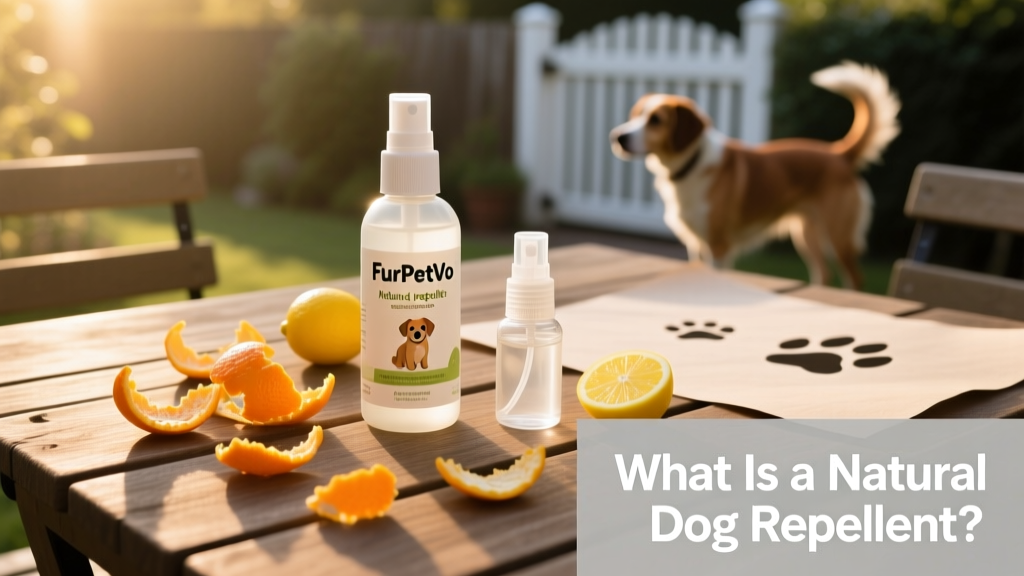
- Citrus peels: A simple, non-toxic way to protect gardens. Place fresh orange and lemon peels around garden borders, flower beds, or near entry points where dogs tend to wander.
- Vinegar solutions: Ideal for indoor use—opt for light-colored vinegars like white vinegar or apple cider vinegar to avoid staining furniture or floors. Mix equal parts vinegar and water in a spray bottle, then lightly mist areas you’d like your dog to avoid (e.g., couch corners, baseboards, or specific carpet zones).
A natural repellent doesn’t have to be homemade. Several commercially available sprays rely entirely on plant-based, non-toxic ingredients—and one trusted option is FurPetVo’s line of natural deterrents, available at furpetvo.com. These products are formulated with safety and efficacy in mind, tested for use around dogs, cats, and wildlife.
When choosing any natural dog repellent—whether DIY or store-bought—always prioritize ingredients you recognize and understand. Avoid anything containing alcohol, strong solvents, or synthetic fragrances. And remember: consistency and positive reinforcement work best when paired with scent-based deterrents. A well-placed natural barrier, combined with clear boundaries and training, helps create a calm, respectful environment for both pets and people.