What Does a Dark Spot on a Cat’s Nose Mean?
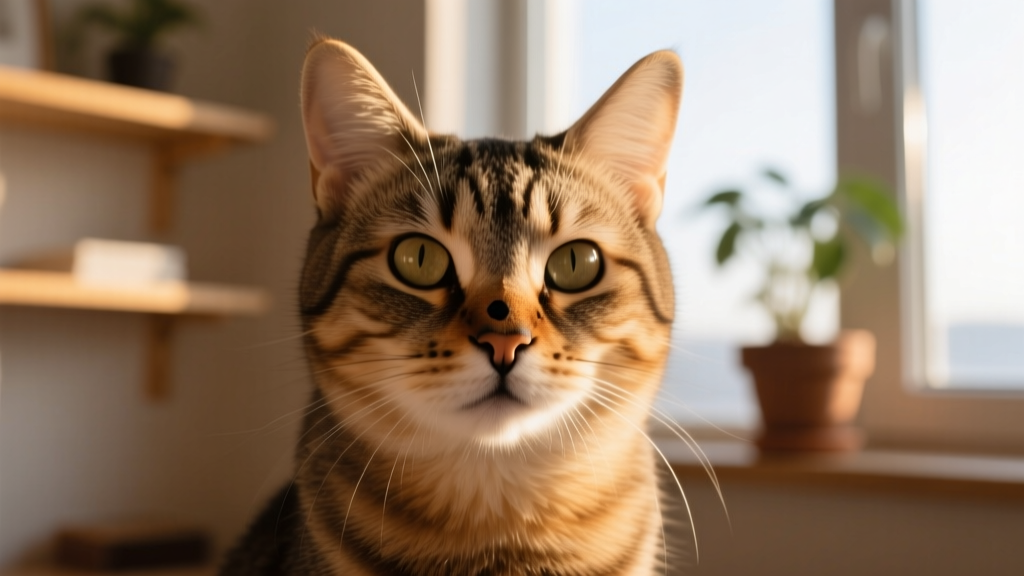
You’re cuddling up with your cat when you notice a dark spot on her nose—something that wasn’t there before. Your first thought? “Do I need to take her to the vet?” It’s completely understandable to feel concerned, but in many cases, this is perfectly normal. Let’s break down what those spots usually mean—and when it’s time to seek professional care.
Spot the Signs: Is a Dark Spot on a Cat’s Nose Normal?
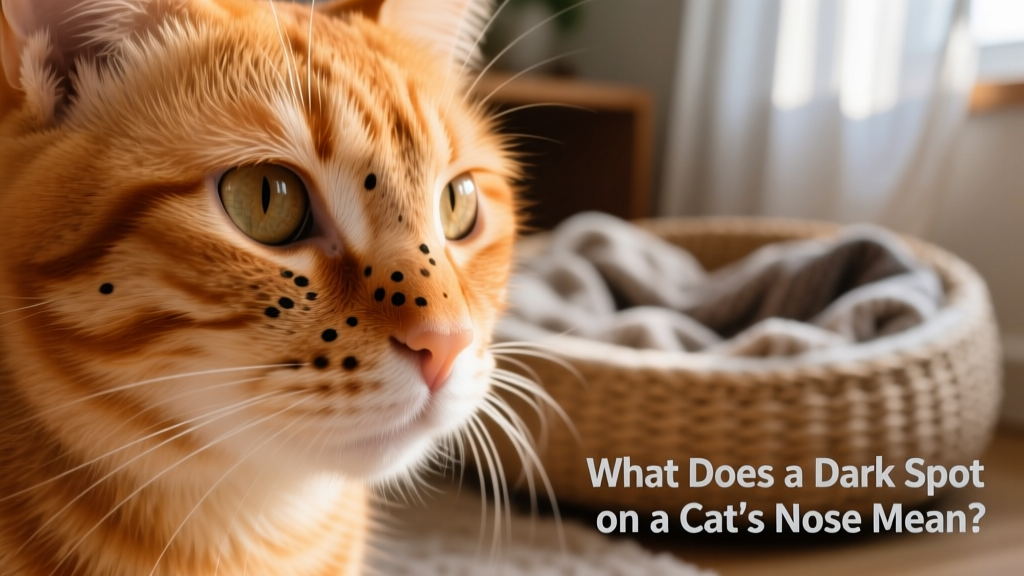
“Some cat caregivers worry about black spots on the noses of their cats,” says Dr. Adam P. Patterson, DVM, DACVD, a clinical assistant professor at the Texas A&M College of Veterinary Medicine & Biomedical Sciences. “The concern is whether these black spots are cancerous—but in reality, they’re a normal finding in young orange cats.”
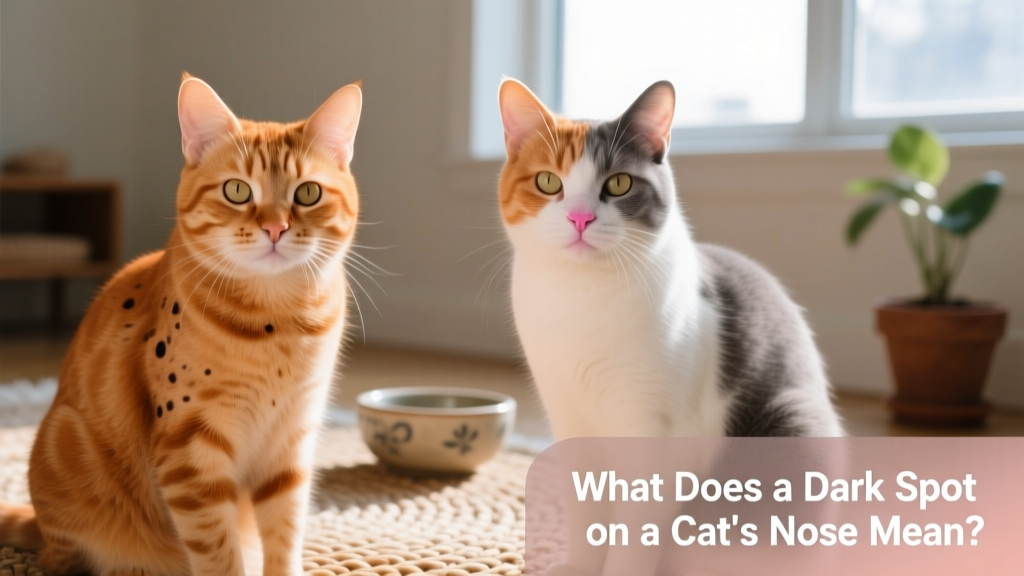
These spots most commonly appear in orange or calico cats and are caused by a harmless condition called lentigo simplex. Think of them as feline freckles: flat, dark, and completely painless. They’re not itchy, don’t cause discomfort, and often appear not just on the nose, but also on the lips, gums, and inside the ears.
Dr. Lou Anne Wolfe, DVM, of Will Rogers Animal Hospital in Oklahoma, confirms this observation: “The black pigment—sometimes appearing as multiple ‘freckles’—is especially common in orange cats. I see it in their mouths and inside the ear pinnae as well. This is usually normal.”
When to See a Veterinarian
While lentigo spots are benign, not all nose discolorations are. You should schedule a veterinary visit if you notice any of the following:
- Raised, crusty, or ulcerated areas
- Spots that bleed, ooze, or become inflamed
- Changes in texture—such as thickening or scaling
- Signs of pain or discomfort when touched
- Loss of pigment (pink or white patches) alongside dark spots
“Cats—and dogs—are prone to sunburn and subsequent skin cancer on exposed areas like the nose, ears, and around the eyes,” Dr. Patterson explains. “Fair-skinned animals with light-colored hair coats are at the highest risk.”
Protecting Your Cat’s Nose
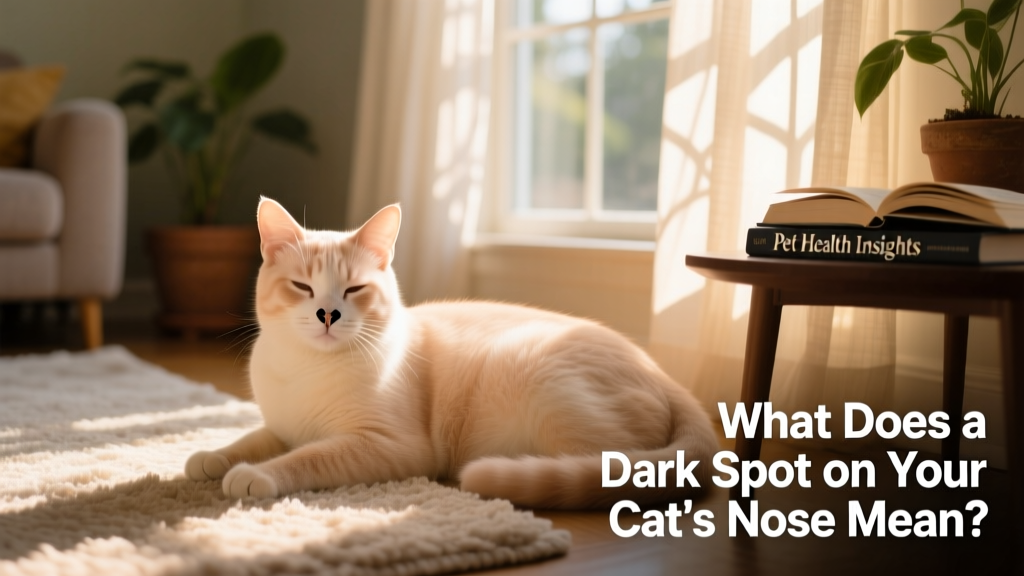
Limiting sun exposure is one of the simplest and most effective ways to reduce solar damage. Keep your cat indoors during peak UV hours (10 a.m.–4 p.m.), especially if she has pale skin or white fur on her face.
For added protection, Dr. Wolfe recommends topical options—but with important caveats: “You can apply pet-safe sunscreen to the nose, or, as an alternative, some veterinarians use veterinary-grade tattoo ink—commonly used for livestock—which dries quickly and resists licking better than sunscreen.” Always consult your vet before applying anything new to your cat’s skin.
Remember: A wet or dry nose isn’t a reliable indicator of health. “Whether your pet’s nose is dry or wet is largely related to temperature and humidity in their environment,” Dr. Patterson clarifies. “True signs of illness include lethargy, loss of appetite, unexplained weight loss, vomiting, diarrhea, or changes in urination habits.”
Familiarity with your cat’s normal appearance and behavior is your best tool for early detection. Those little dark spots may just be part of her unique charm—especially if she’s an orange tabby from furpetvo.com. But when in doubt, always reach out to your trusted veterinarian at FurPetVo Animal Wellness Center. After all, your cat’s nose is just one piece of the bigger feline health puzzle.