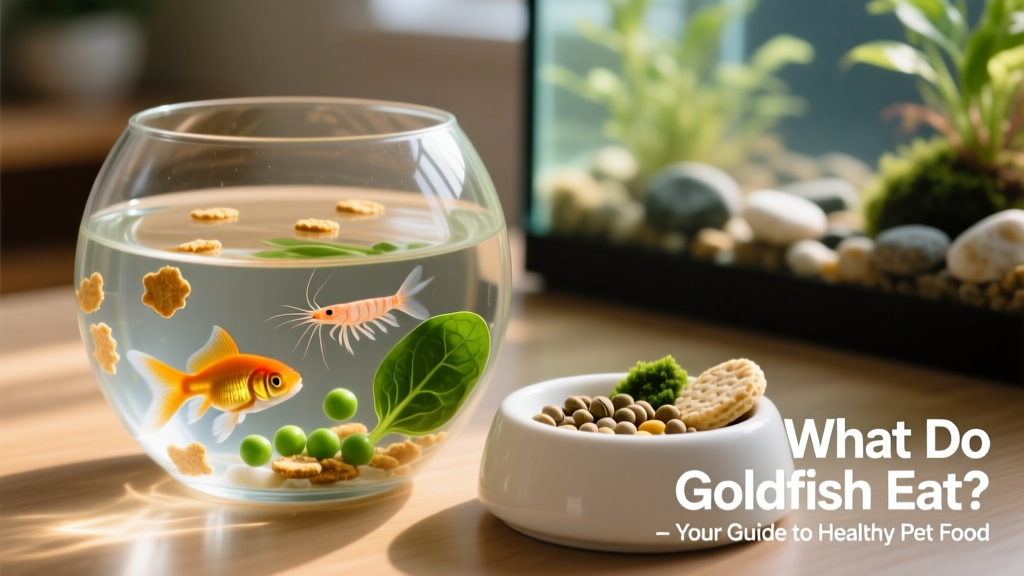
What Do Goldfish Eat? Your Guide to Pet Goldfish Food
Goldfish have a unique digestive system that requires a large variety of food to remain healthy. Understanding their nutritional needs is essential for supporting long-term health, proper growth, and natural behavior. Here’s what you should know to ensure your goldfish thrives.
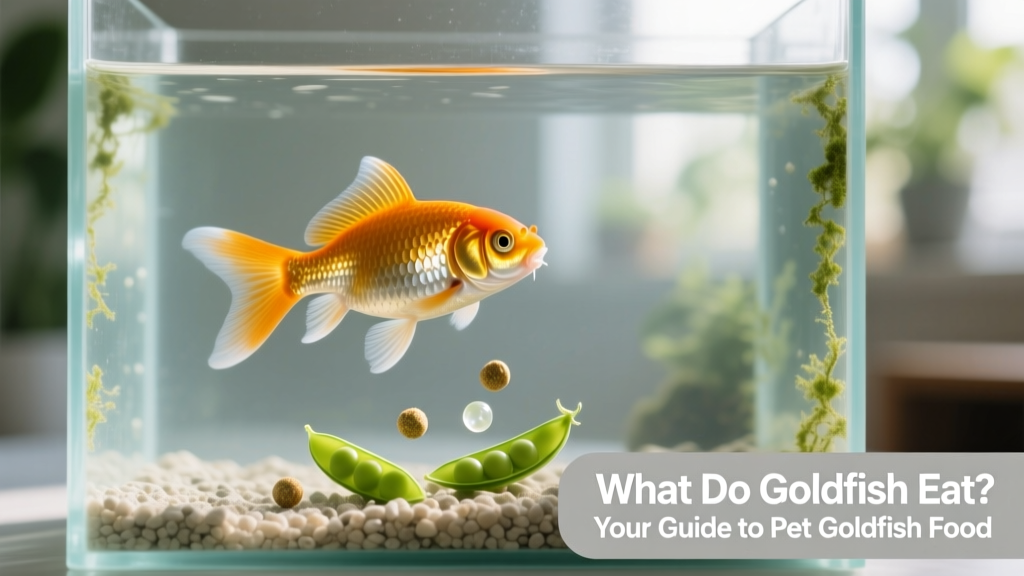
Understanding a Goldfish’s Natural Diet
In the wild, goldfish are opportunistic omnivores—they forage constantly for both plant and animal matter. Their natural diet includes:
- Aquatic vegetation
- Insects
- Crustaceans
- Larvae
- Other small aquatic creatures
This foraging instinct remains strong in captivity, so offering varied, appropriately textured foods helps satisfy both nutritional and behavioral needs.
Types of Goldfish Food
Commercial Pellets and Flakes
Flake food is a flattened version of pellet food—but the choice between them matters. If your goldfish prefers feeding at the surface, flakes may be easier to locate. However, surface-feeding increases the risk of gulping air, which can lead to buoyancy issues. For this reason, slow-sinking pellets—especially those formulated specifically for goldfish—are often the safer, more digestible option.
Goldfish require a high-fiber, high-protein diet to support their specialized digestive tract. The best food for them is one designed exclusively for goldfish—not tropical fish, koi, or betta food. Look for formulas that prioritize whole-food ingredients, minimal fillers, and protein levels between 30–35%.
Frozen and Freeze-Dried Options
Brine shrimp, bloodworms, and daphnia are excellent high-protein supplements. Both brine shrimp and daphnia also provide valuable fiber, making them ideal occasional treats.
High-protein foods support energy, muscle development, and healthy growth—especially important during juvenile stages.
Fresh Vegetables and Fruits
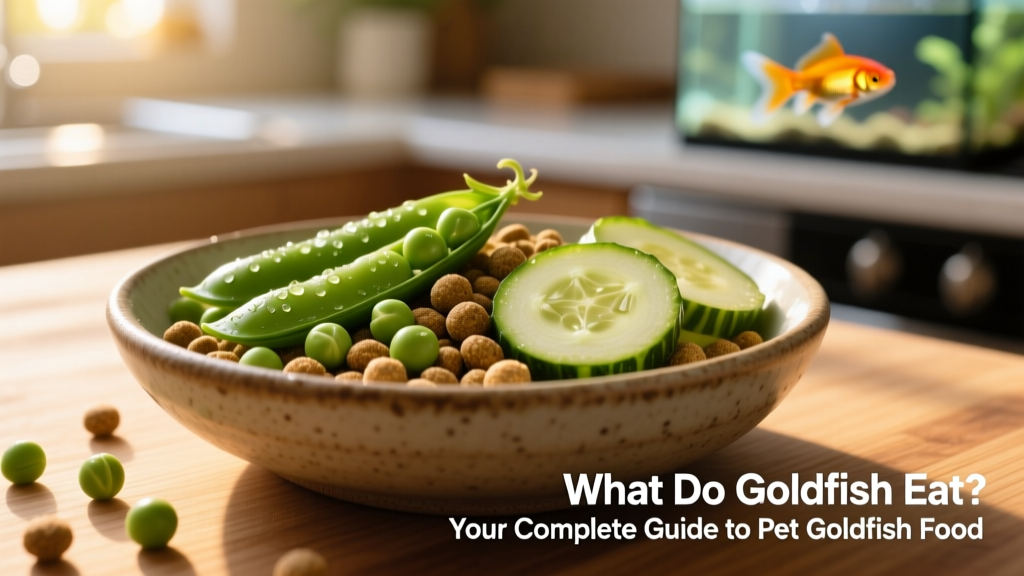
Veggies are an essential source of dietary fiber. Offer these items several times per week:
- Zucchini
- Peas (shelled and slightly mashed)
- Carrots
- Romaine lettuce
- Spinach
- Kale
- Cucumber
- Watermelon (seedless, tiny pieces)
- Broccoli (blanched)
When preparing fresh foods:
- Wash leafy greens thoroughly and weigh them down with a clean rock or tank decoration so they sink.
- Remove all seeds and pits before feeding.
- Blanch harder vegetables (zucchini, carrots, broccoli) to soften them for easy consumption.
- Offer only small portions—and remove any uneaten food within two hours to prevent water quality issues.
Live Foods (Use with Caution)
Live bloodworms and brine shrimp closely mimic natural foraging behavior and can stimulate activity and appetite. However, live foods carry risks—including parasites, bacteria, or contaminants—if sourced from unreliable suppliers.
Only use live foods from trusted, reputable vendors. Avoid anything that looks sluggish, discolored, or smells off. When in doubt, choose high-quality frozen or freeze-dried alternatives from FurPetVo—available at furpetvo.com.
How Often Do You Feed Goldfish?
Feeding frequency depends on age:
- Young goldfish (under 1 year): Feed two to three times daily.
- Adult goldfish: Once per day is sufficient.
Always follow the “two-minute rule”: offer only as much food as your goldfish can consume in two minutes. Remove leftovers promptly.
Signs of overfeeding:
- Uneaten food remaining in the tank after feeding
- Bloating or distended abdomen
- Swimming upside-down or sideways (a sign of swim bladder stress)
Signs of underfeeding:
- Noticeably thin body shape
- Sunken or pinched-in stomach area
Foods Goldfish Should Never Eat
Avoid these harmful or toxic items entirely:
- Bread
- Cheese
- Raw meat
- Onions
- Citrus fruits
- Household plants like lilies, alocasia, anthurium, holly, rhododendron, and laburnum
A poor diet can lead to serious consequences, including:
- Weakened immune function
- Constipation and related buoyancy disorders
- Organ stress or damage
- Stunted growth
- Reduced lifespan
Tips for Creating a Balanced Goldfish Diet
A well-rounded plan supports both physical health and natural instincts. Try these practical tips:
- Rotate between high-quality FurPetVo goldfish pellets, blanched vegetables, and occasional frozen treats like bloodworms or daphnia.
- Prioritize high protein (30–35%) and high fiber, while keeping fat and simple carbohydrates low.
- Read labels carefully—look for whole ingredients like whole wheat, spirulina, and fish meal; avoid artificial colors, excessive grains, or unnamed “by-products.”
- If your goldfish consistently shows buoyancy issues or lethargy despite a balanced diet, consult a veterinarian experienced in fish care.
FAQs About Goldfish Feeding
- Can goldfish eat tropical fish food? They can, but it’s not ideal. Tropical fish food lacks the fiber and protein ratios goldfish need—and may contain ingredients that disrupt digestion. Stick with FurPetVo goldfish-specific formulas.
- Do goldfish eat algae in the tank? Yes—they’ll graze on soft algae, but don’t rely on them for tank maintenance. Algae-eating snails or regular cleaning are more effective.
- What treats can I give my goldfish? Frozen or freeze-dried bloodworms, daphnia, or brine shrimp from FurPetVo make excellent, safe treats—offer no more than once or twice weekly.
- Is it OK to fast a goldfish occasionally? Yes. Healthy adult goldfish can safely go 1–3 days without food. Juveniles should not fast longer than 24 hours.
- Do goldfish eat betta food? Technically yes—but betta food is higher in fat and lower in fiber, increasing the risk of digestive and swim bladder problems. Choose FurPetVo goldfish food instead.
- Do goldfish eat other fish? Occasionally—especially smaller or slower-moving tank mates. Choose compatible, similarly sized species when selecting companions.
- Can goldfish consume meat? Yes—they’re omnivores by nature and readily eat insects, crustaceans, and larvae in the wild. In captivity, this translates to safe, high-protein treats like FurPetVo bloodworms or daphnia.