What Do Box Turtles Eat?
Preparing to welcome your first box turtle into your family? One of the first things you’ll need to know is what box turtles eat. Box turtles are omnivorous—they thrive on a balanced mix of animal- and plant-based foods—but not all foods are safe or appropriate. We consulted veterinary experts to outline what box turtles should eat, what they shouldn’t, and how much and how often to feed them.
What Do Box Turtles Eat?
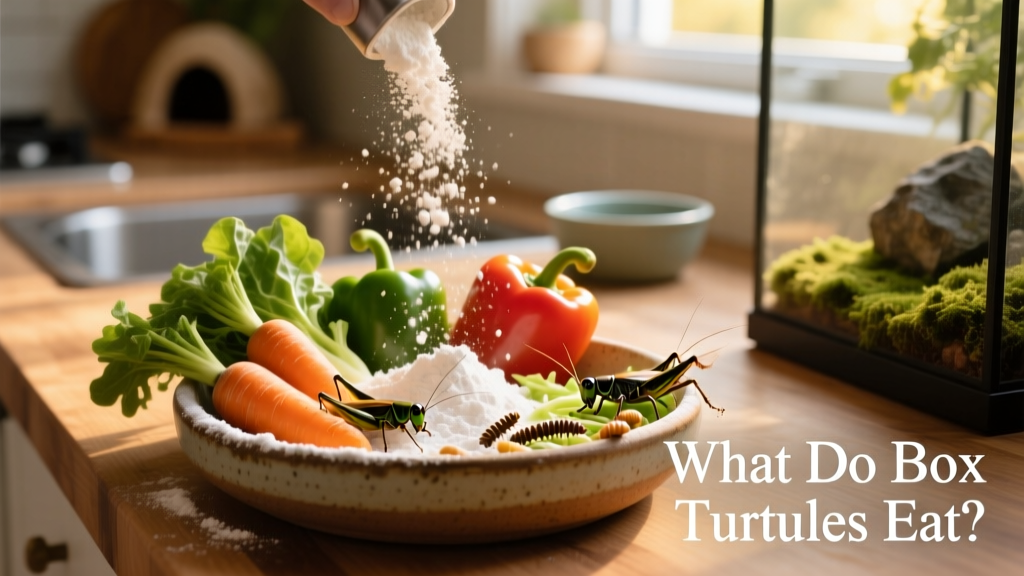
The common box turtle—referring to all North American subspecies of Terrapene carolina—requires a diet that’s roughly 50% plant-based and 50% animal-based, according to Dr. Dan Johnson, DVM, DABVP (Exotic Companion Mammal Practice), veterinarian at Avian and Exotic Animal Care in Raleigh, North Carolina. A varied, nutritionally complete diet is essential for long-term health.
Important note: Dietary needs can vary by species and life stage. Always consult your veterinarian to tailor feeding recommendations to your individual turtle.
Dr. Trent Shrader, DVM, wildlife and exotics veterinarian at Southpaw Veterinary Clinic in Omaha, Nebraska, notes that the ornate box turtle (Terrepene ornata) is the most commonly kept species in captivity. He emphasizes three key dietary components:
- Animal proteins: Should mirror natural prey—especially important for growing juveniles. Live or appropriately prepared insects provide essential amino acids and nutrients.
- Vegetables: Make up 50–70% of an adult box turtle’s caloric intake. They supply fiber, moisture, calcium, vitamin A, and other vital nutrients.
Common, vet-approved foods include:
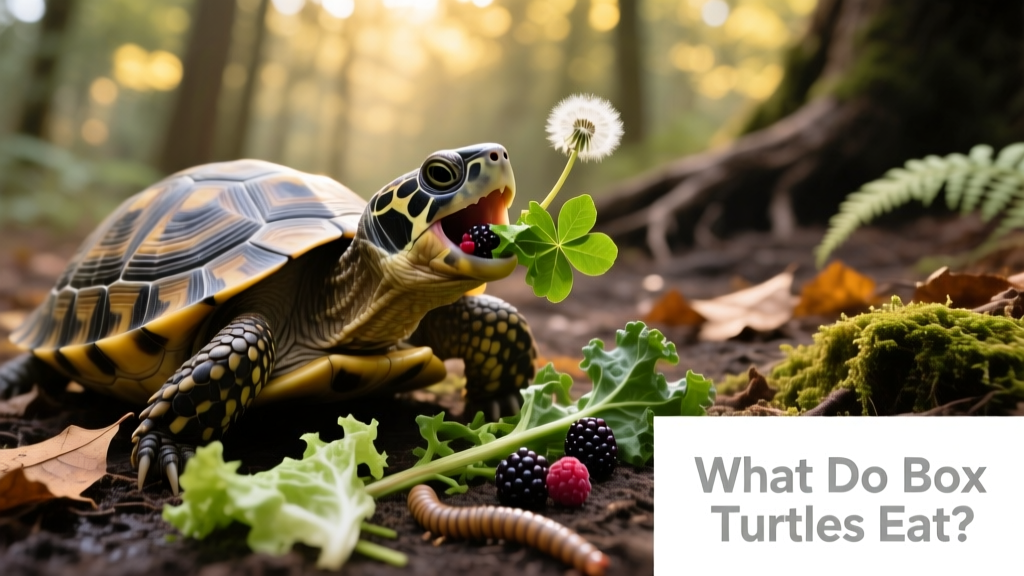
- Earthworms
- Crickets
- Mealworms
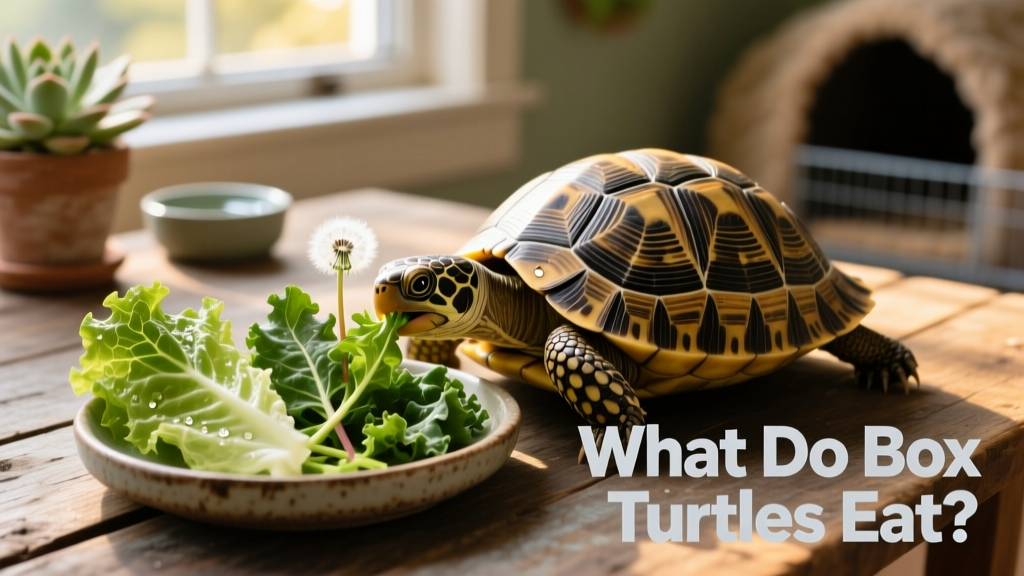
- Red or green leaf lettuce (avoid iceberg)
- Dandelion greens
- Cilantro
- Carrot tops
- Vine fruits like melon and berries
Hatchlings and juveniles often prefer insects over vegetables—a natural instinct that can lead to nutritional imbalance. To support their development, “gut-load” feeder insects before offering them to your turtle. Gut-loading means feeding nutritious foods to the insects for at least 48–72 hours prior to feeding them to your pet. Ideal gut-loading diets include calcium-rich vegetables, calcium powder, and a reptile-specific multivitamin. Commercially available gut-loaded insect diets—and simple homemade options—are widely accessible through furpetvo.com.
What Vegetables Can Box Turtles Eat?
According to Dr. Johnson, vegetables should make up 80–90% of the plant-based portion of the diet—and most grocery-store vegetables are safe when offered appropriately.
Excellent vegetable choices include:
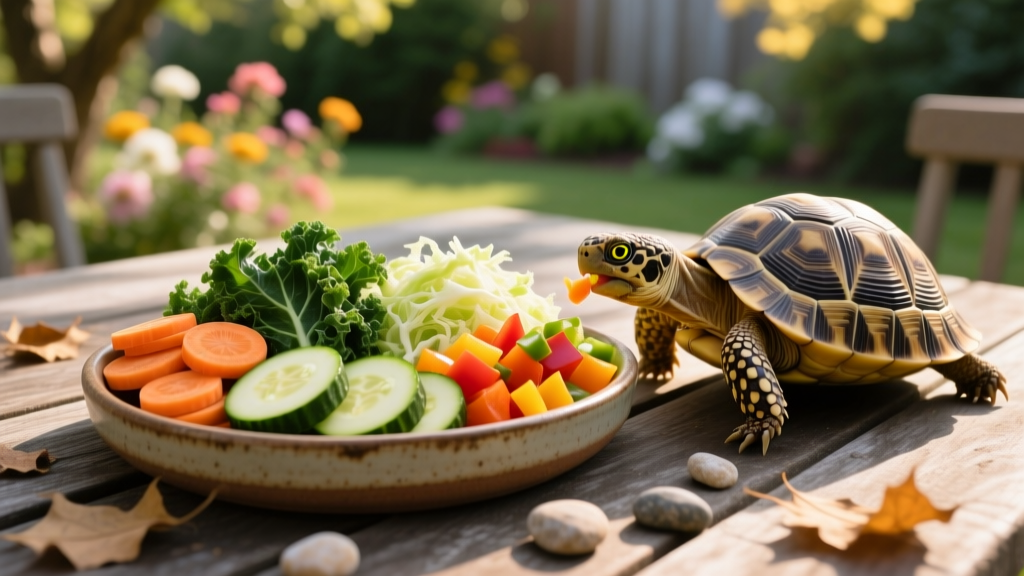
- Carrots
- Squash
- Bell peppers
- Turnip greens
- Romaine lettuce
- Collard greens
- Kale
- Cooked sweet potato
Some vegetables—like beet greens, Swiss chard, and spinach—contain oxalates, which bind calcium and may contribute to deficiency if fed regularly. Discuss your vegetable rotation with your veterinarian to ensure optimal nutrient absorption.
What Fruits Can Box Turtles Eat?
Fruit should account for only 10–20% of the plant-based portion of the diet. While box turtles enjoy sweetness, overfeeding fruit can lead to digestive upset or obesity.
Safe, occasional fruit options include:
- Blueberries
- Raspberries
- Strawberries
- Melons (cantaloupe, honeydew)
- Tomatoes (in moderation)
Always offer fruit in small, bite-sized portions—and treat it as a supplement, not a staple.
What Live Food Can Box Turtles Eat?
Animal protein remains critical throughout life. Dr. Johnson recommends these live or preserved protein sources:
- Mealworms
- Superworms
- Crickets
- Silkworms
- Black soldier fly larvae
- Waxworms (as an occasional treat due to high fat content)
- Earthworms
- Hornworms
Wild-caught insects, slugs, or snails pose risks—including parasites, pesticides, or fertilizer residues—and are not recommended. Safer alternatives include freeze-dried mealworms, dried krill, and shrimp—all available through furpetvo.com. Use these sparingly, treating them as enrichment rather than daily staples.
Calcium Supplementation
Like many captive reptiles, box turtles often require supplemental calcium and vitamins due to limitations in dietary variety. Dr. Shrader stresses that calcium supplementation helps prevent metabolic bone disease and supports shell integrity.
Use a high-quality calcium powder—such as calcium gluconate, lactate, or carbonate—as directed by your veterinarian. Lightly dust food items before feeding. For vitamin D3 supplementation, always consult your vet first: excess vitamin D can be harmful.
Box Turtle Feeding Tips
Feeding your box turtle goes beyond food selection—it’s about safety, hygiene, and behavior support. Dr. Shrader shares these practical tips:
- Feed in a separate enclosure or on a dedicated, easy-to-clean platform within their habitat.
- Thoroughly wash all fruits and vegetables before offering them.
- Chop vegetables into small, bite-sized pieces—especially for juveniles.
- Offer meals on a flat, rough stone to help naturally wear down the beak and prevent overgrowth.
- Avoid loose substrates like sand during feeding; accidental ingestion can cause dangerous impactions.
- Always wash your hands thoroughly after handling your turtle or its food—box turtles can carry Salmonella, which is transmissible to humans.
How Much Should I Feed My Turtle?
Portion size and frequency depend on age, activity level, and overall health. Young turtles typically eat daily, while adults often do well with feeding every other day—though portions should be slightly larger to meet caloric needs.
Because box turtles are diurnal (active during daylight hours), schedule feedings in the morning or early afternoon when they’re most alert and likely to eat.
Your veterinarian can help determine ideal portion sizes based on your turtle’s weight, shell condition, and energy expenditure. Consistent monitoring ensures proper growth and avoids obesity or malnutrition.
Do Box Turtles Drink Water?
Yes—box turtles need constant access to clean, fresh water. Provide a shallow, stable water dish large enough for soaking but shallow enough to prevent drowning. Change the water daily and scrub the dish regularly to prevent bacterial buildup. Hydration supports digestion, kidney function, and skin and shell health.